THE ADVENTURE COLLECTIVE® · Independent discovery and booking for outdoor travel

Walk a fragment of the Atlantic Forest just outside São Paulo, moving from shaded waterfalls to a 1,000 m ridge with panoramic city views. This guided ecological hike highlights endemic plants, local conservation context, and accessible but varied terrain.
Walk a fragment of the Atlantic Forest just outside São Paulo, moving from shaded waterfalls to a 1,000 m ridge with panoramic city views. This guided ecological hike highlights endemic plants, local conservation context, and accessible but varied terrain.
A humid breath of forest meets the glass-and-concrete line of São Paulo as you step off the vehicle and onto a narrow dirt path. The air is heavy with green: bromeliads clinging to trunks, orchids tucked into root pockets, and the steady drip of small waterfalls that punctuate the understory. The trail first threads through dense Atlantic Forest growth, then climbs a mix of soil and exposed rock toward a ridge that reveals the city spread below like a living map.
Verified experiences and guided adventures in the surrounding area.
Operated by Brazil For All Tour Services · São Paulo, São Paulo
A humid breath of forest meets the glass-and-concrete line of São Paulo as you step off the vehicle and onto a narrow dirt path. The air is heavy with green: bromeliads clinging to trunks, orchids tucked into root pockets, and the steady drip of small waterfalls that punctuate the understory. The trail first threads through dense Atlantic Forest growth, then climbs a mix of soil and exposed rock toward a ridge that reveals the city spread below like a living map.
This stretch of Atlantic Forest — once a vast biome that hugged Brazil’s coast — now survives in pockets near São Paulo. Geologically the ridge is part of the Serra do Mar system: weathered gray stone, iron-rich soils, and a maze of springs that feed the park’s streams. Cultural history is present in subtle ways: old rural roads, remnants of small farms, and local guides who know plant names and traditional uses. Your guide will point out endemic plants and explain how the forest’s fragmentation has reshaped wildlife movement.
Practically, expect a 3 km dirt loop through primary vegetation and a separate ~5 km asphalt ascent to a summit near 1,000 m for city views; combined visits can take a full day. Trail surfaces vary from soft leaf litter to compact asphalt and short steep pitches; good footwear and steady pacing matter. Carry water, insect repellent, and a lightweight rain layer — the forest can change in minutes. Photography is rewarding at waterfall margins and on the summit panorama; leave no trace and follow your guide’s route to protect fragile understory communities.
You should have moderate fitness—comfortable with several kilometers of walking and short climbs; guides adapt pace to the group.
Yes: admission, private vehicle transport, hotel pickup/drop-off, a guide, and snacks are included in the tour price for the selected attraction.
Yes—it's possible to visit both areas in one day but the full combined tour is about 8 hours and carries an extra charge that varies with group size.
Children are typically welcome but check age restrictions; solo travelers must book for a minimum of two travelers and pay accordingly per the operator’s policy.
Brazil For All Tour Services operates guided outdoor trips and adventures with an emphasis on safety, stewardship, and memorable experiences.
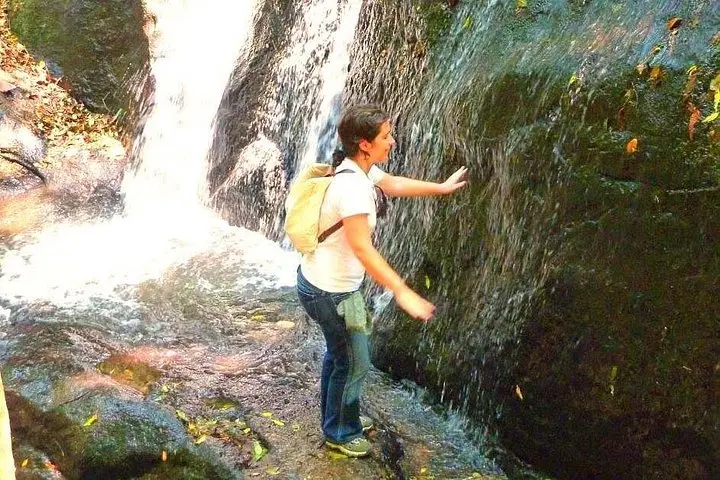
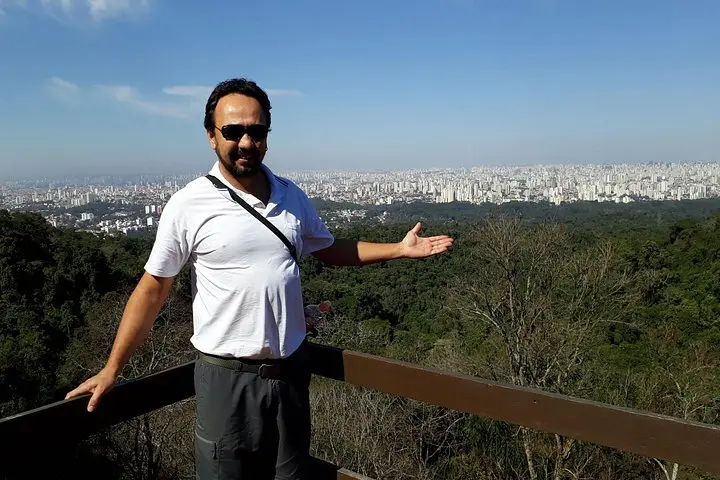
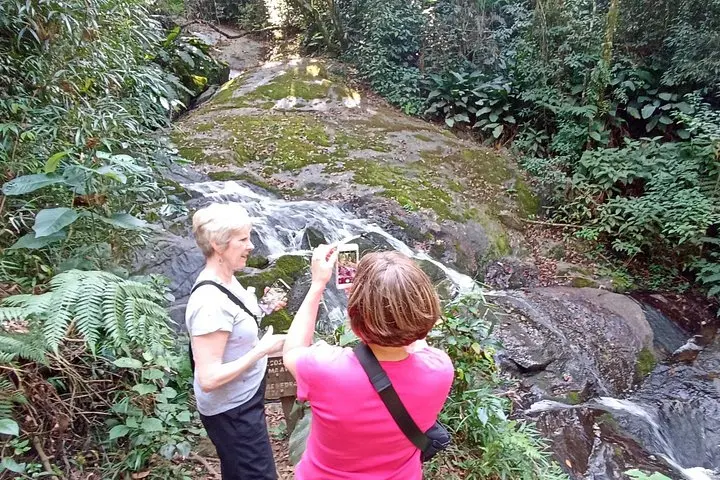
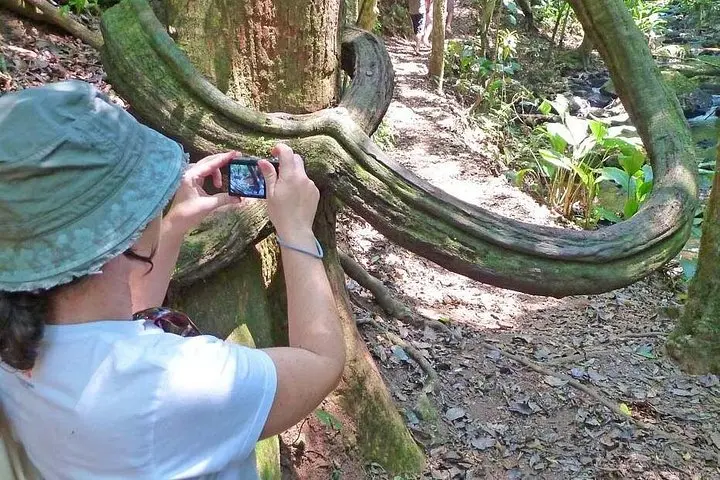
A humid breath of forest meets the glass-and-concrete line of São Paulo as you step off the vehicle and onto a narrow dirt path. The air is heavy with green: bromeliads clinging to trunks, orchids tucked into root pockets, and the steady drip of small waterfalls that punctuate the understory. The trail first threads through dense Atlantic Forest growth, then climbs a mix of soil and exposed rock toward a ridge that reveals the city spread below like a living map.
A humid breath of forest meets the glass-and-concrete line of São Paulo as you step off the vehicle and onto a narrow dirt path. The air is heavy with green: bromeliads clinging to trunks, orchids tucked into root pockets, and the steady drip of small waterfalls that punctuate the understory. The trail first threads through dense Atlantic Forest growth, then climbs a mix of soil and exposed rock toward a ridge that reveals the city spread below like a living map.
This stretch of Atlantic Forest — once a vast biome that hugged Brazil’s coast — now survives in pockets near São Paulo. Geologically the ridge is part of the Serra do Mar system: weathered gray stone, iron-rich soils, and a maze of springs that feed the park’s streams. Cultural history is present in subtle ways: old rural roads, remnants of small farms, and local guides who know plant names and traditional uses. Your guide will point out endemic plants and explain how the forest’s fragmentation has reshaped wildlife movement.
Practically, expect a 3 km dirt loop through primary vegetation and a separate ~5 km asphalt ascent to a summit near 1,000 m for city views; combined visits can take a full day. Trail surfaces vary from soft leaf litter to compact asphalt and short steep pitches; good footwear and steady pacing matter. Carry water, insect repellent, and a lightweight rain layer — the forest can change in minutes. Photography is rewarding at waterfall margins and on the summit panorama; leave no trace and follow your guide’s route to protect fragile understory communities.