THE ADVENTURE COLLECTIVE® · Independent discovery and booking for outdoor travel

Leave Marrakech for a full-day loop through Imlil’s valleys, traditional Berber villages and the stony Agafay Desert, capped with a short camel ride and a home-cooked Berber lunch. Expect uneven village paths, open plateau views, and close cultural encounters.
Leave Marrakech for a full-day loop through Imlil’s valleys, traditional Berber villages and the stony Agafay Desert, capped with a short camel ride and a home-cooked Berber lunch. Expect uneven village paths, open plateau views, and close cultural encounters.
You start before dawn in Marrakech and the city’s heat peels away as the road climbs into the High Atlas. Small stone houses slip past and terraces open into the Valley of Imlil; the air carries wood smoke and the distant silhouette of Jebel Toubkal, North Africa’s highest peak, watching over the valleys.
Verified experiences and guided adventures in the surrounding area.
Operated by Tours From Marrakech · Marrakech, Marrakech-Safi
You start before dawn in Marrakech and the city’s heat peels away as the road climbs into the High Atlas. Small stone houses slip past and terraces open into the Valley of Imlil; the air carries wood smoke and the distant silhouette of Jebel Toubkal, North Africa’s highest peak, watching over the valleys.
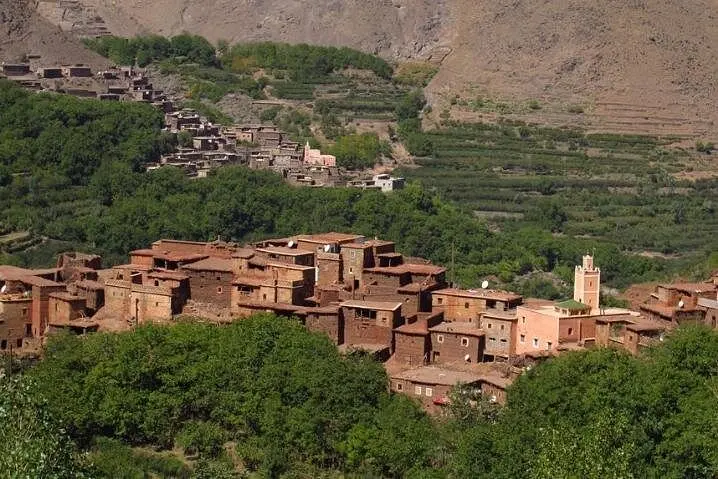
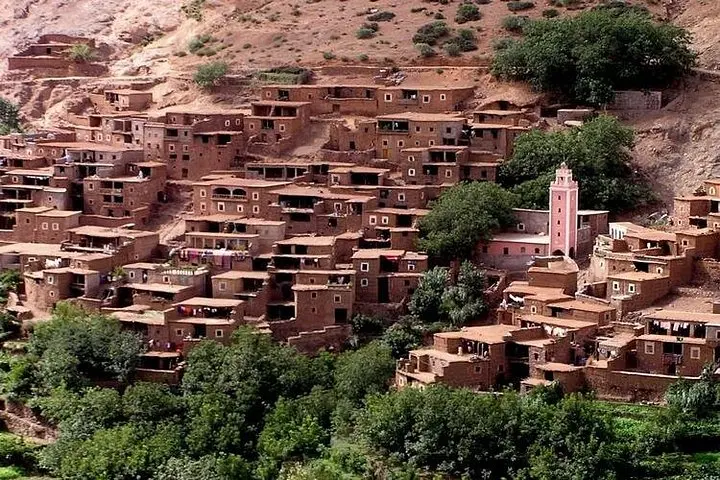
The route threads through traditional Berber villages where flat, stony tracks give way to narrow footpaths. Guides lead short, steady walks to local springs and a modest waterfall—terrain that’s mostly uneven village steps and rock underfoot. In the villages you’ll be invited for mint tea at a family home or a women’s cooperative; local hospitality centers around shared food and conversation. Geologically, the area is folded schist and limestone, carved by seasonal streams that feed the small irrigation channels shaping village fields.
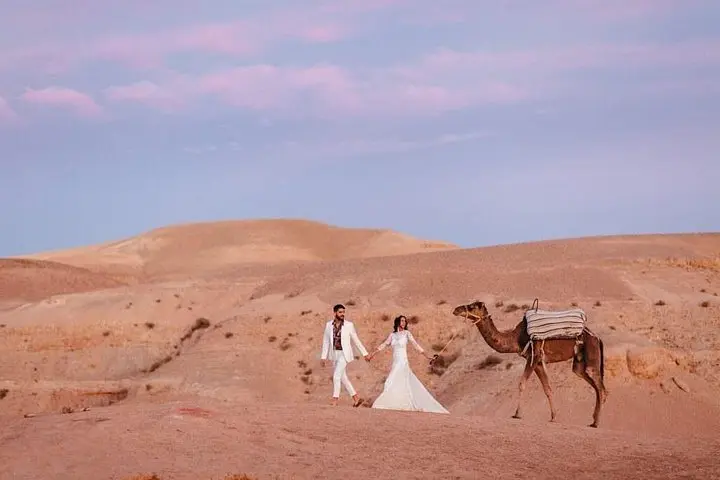
Midday shifts to the Agafay “stone desert,” a dry, rocky plateau rather than dunes, where camels negotiate low, rolling terrain and the light is wide and cool in late afternoon. Expect a short camel ride, photo stops, and a lunch in a Berber guest house featuring tagine and fresh salads.
Practical notes: plan for a long day with hotel pickup, wear sturdy shoes for uneven paths, carry 1–2 liters of water and sun protection, and bring a small gift or tip for hosts if you visit a family. Respect local customs—ask before photographing people and remove shoes in private houses. This tour balances brief hikes, cultural visits, and a gentle camel experience—an efficient way to sample Atlas landscapes and Berber hospitality in one day.
Camel rides on this tour are short—typically 20–60 minutes—designed for photos and a desert experience rather than long treks.
Yes; the itinerary is family-friendly, but young children should be supervised on uneven paths and during camel rides.
Tipping is customary; small gratuities for guides, drivers, and home hosts are appreciated and often expected.
You’ll get clear views of Toubkal from the Imlil valley approaches, but this is not a summit trek—views are the highlight rather than a climb.
Tours From Marrakech operates guided outdoor trips and adventures with an emphasis on safety, stewardship, and memorable experiences.
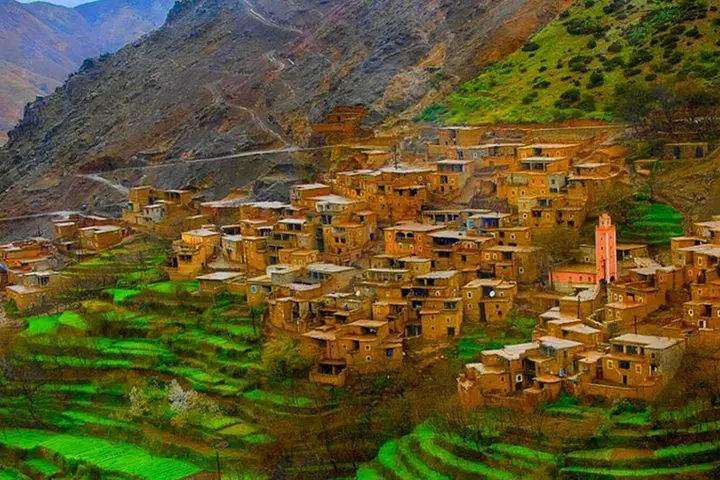
You start before dawn in Marrakech and the city’s heat peels away as the road climbs into the High Atlas. Small stone houses slip past and terraces open into the Valley of Imlil; the air carries wood smoke and the distant silhouette of Jebel Toubkal, North Africa’s highest peak, watching over the valleys.
You start before dawn in Marrakech and the city’s heat peels away as the road climbs into the High Atlas. Small stone houses slip past and terraces open into the Valley of Imlil; the air carries wood smoke and the distant silhouette of Jebel Toubkal, North Africa’s highest peak, watching over the valleys.
The route threads through traditional Berber villages where flat, stony tracks give way to narrow footpaths. Guides lead short, steady walks to local springs and a modest waterfall—terrain that’s mostly uneven village steps and rock underfoot. In the villages you’ll be invited for mint tea at a family home or a women’s cooperative; local hospitality centers around shared food and conversation. Geologically, the area is folded schist and limestone, carved by seasonal streams that feed the small irrigation channels shaping village fields.
Midday shifts to the Agafay “stone desert,” a dry, rocky plateau rather than dunes, where camels negotiate low, rolling terrain and the light is wide and cool in late afternoon. Expect a short camel ride, photo stops, and a lunch in a Berber guest house featuring tagine and fresh salads.
Practical notes: plan for a long day with hotel pickup, wear sturdy shoes for uneven paths, carry 1–2 liters of water and sun protection, and bring a small gift or tip for hosts if you visit a family. Respect local customs—ask before photographing people and remove shoes in private houses. This tour balances brief hikes, cultural visits, and a gentle camel experience—an efficient way to sample Atlas landscapes and Berber hospitality in one day.