THE ADVENTURE COLLECTIVE® · Independent discovery and booking for outdoor travel

Cross the High Atlas on a full-day private transfer from Marrakech to the UNESCO ksar of Ait Benhaddou and the cinematic city of Ouarzazate. This long day mixes dramatic mountain passes with earthen architecture and local hospitality.
Cross the High Atlas on a full-day private transfer from Marrakech to the UNESCO ksar of Ait Benhaddou and the cinematic city of Ouarzazate. This long day mixes dramatic mountain passes with earthen architecture and local hospitality.
You crest Tizi n’Tichka at dawn and the High Atlas exhales — wind sweeping loose dust from the road, craggy passes catching the first light. The drive itself frames the day: snow-flecked summits give way to ochre villages, then to the salted skin of the Ounila valley as the vehicle drops toward the earthen walls of Ait Benhaddou.
Verified experiences and guided adventures in the surrounding area.
Operated by Marrakech City Travel · Ait Benhaddou, Drâa-Tafilalet
You crest Tizi n’Tichka at dawn and the High Atlas exhales — wind sweeping loose dust from the road, craggy passes catching the first light. The drive itself frames the day: snow-flecked summits give way to ochre villages, then to the salted skin of the Ounila valley as the vehicle drops toward the earthen walls of Ait Benhaddou.
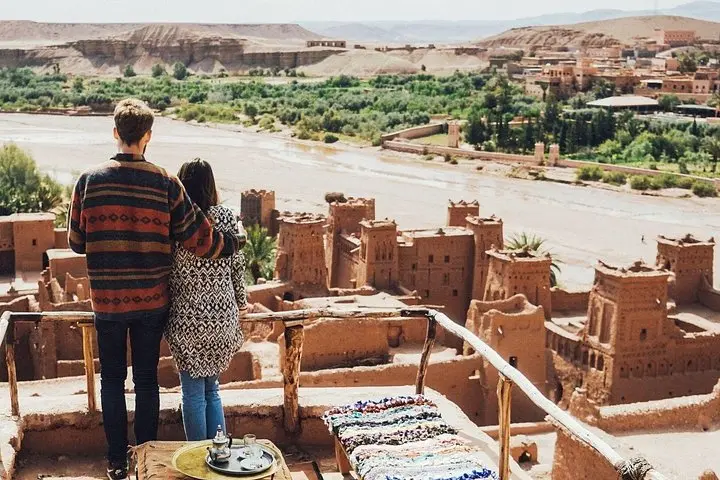
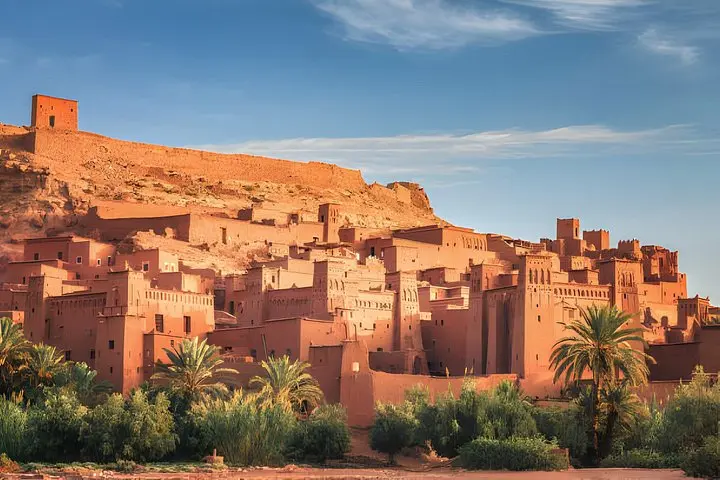
Ait Benhaddou is a living ksar, a cluster of earthen buildings stacked above a dried river that earned UNESCO status in 1987. The architecture is mud-brick and palm-beam; walls bear the scars of human hands and centuries of sun. Geologically the region sits where Atlas uplift meets Saharan erosion — the landscape trades alpine ridges for wind-sculpted plateaus in a matter of hours. Culturally, the route crosses Berber villages that still observe seasonal rhythms: markets, mint tea hospitality, and the slow repair of adobe after winter rains.
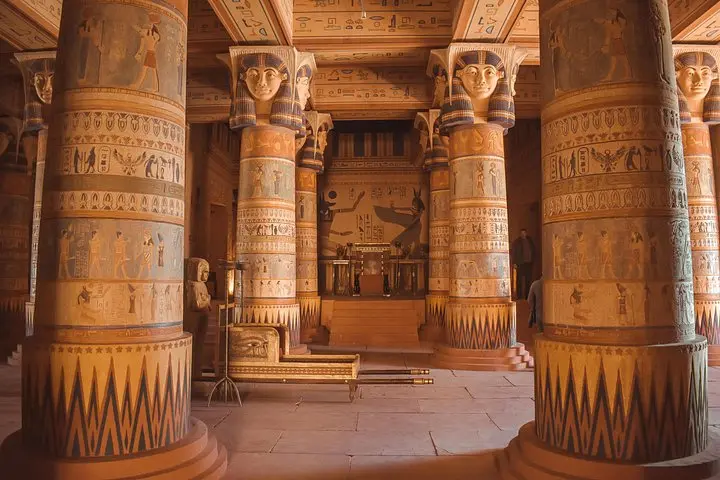
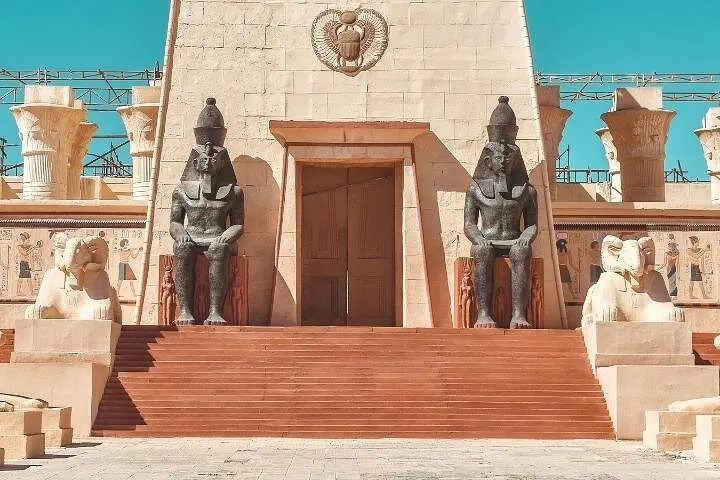
On arrival you’ll cross a shallow, pebbled riverbed, climb narrow alleys and take in rooftop views over the Ksar. After local lunch overlooking the kasbah, the trip continues to Ouarzazate — the gate for film crews and the Taourirt Kasbah, once part of Pacha El Glaoui’s domain.
Practical notes: expect an 11-hour day with long stretches in a comfortable vehicle and short steep walks across uneven, sometimes dusty surfaces. Bring water, sun protection, and sturdy shoes for loose steps. Time your visit outside mid-summer heat, and plan for modest dress when visiting villages and family homes. The route rewards patience: the mountains open slowly, and when they do, the land insists you look.
Entrance to the ksar is free, but some sites like cinema studios and certain museum sections charge admission payable onsite.
Expect roughly 3.5–4 hours each way via Tizi n’Tichka without extended stops; the full tour is an 11-hour day including sightseeing and lunch.
Yes — the tour is private and paced for comfort, but the day is long and includes short steep climbs; discuss mobility needs with the operator beforehand.
Yes, the itinerary typically includes Ait Benhaddou, a lunch break, Ouarzazate’s film studios (optional entrance), and Kasbah Taourirt within the same day.
Marrakech City Travel operates guided outdoor trips and adventures with an emphasis on safety, stewardship, and memorable experiences.
You crest Tizi n’Tichka at dawn and the High Atlas exhales — wind sweeping loose dust from the road, craggy passes catching the first light. The drive itself frames the day: snow-flecked summits give way to ochre villages, then to the salted skin of the Ounila valley as the vehicle drops toward the earthen walls of Ait Benhaddou.
You crest Tizi n’Tichka at dawn and the High Atlas exhales — wind sweeping loose dust from the road, craggy passes catching the first light. The drive itself frames the day: snow-flecked summits give way to ochre villages, then to the salted skin of the Ounila valley as the vehicle drops toward the earthen walls of Ait Benhaddou.
Ait Benhaddou is a living ksar, a cluster of earthen buildings stacked above a dried river that earned UNESCO status in 1987. The architecture is mud-brick and palm-beam; walls bear the scars of human hands and centuries of sun. Geologically the region sits where Atlas uplift meets Saharan erosion — the landscape trades alpine ridges for wind-sculpted plateaus in a matter of hours. Culturally, the route crosses Berber villages that still observe seasonal rhythms: markets, mint tea hospitality, and the slow repair of adobe after winter rains.
On arrival you’ll cross a shallow, pebbled riverbed, climb narrow alleys and take in rooftop views over the Ksar. After local lunch overlooking the kasbah, the trip continues to Ouarzazate — the gate for film crews and the Taourirt Kasbah, once part of Pacha El Glaoui’s domain.
Practical notes: expect an 11-hour day with long stretches in a comfortable vehicle and short steep walks across uneven, sometimes dusty surfaces. Bring water, sun protection, and sturdy shoes for loose steps. Time your visit outside mid-summer heat, and plan for modest dress when visiting villages and family homes. The route rewards patience: the mountains open slowly, and when they do, the land insists you look.