THE ADVENTURE COLLECTIVE® · Independent discovery and booking for outdoor travel

Escape Marrakech for a day of river trails, cascading waterfalls and Berber hospitality in the High Atlas. This guided loop through Toubkal’s western foothills mixes short hikes, village visits and a home-cooked lunch.
Escape Marrakech for a day of river trails, cascading waterfalls and Berber hospitality in the High Atlas. This guided loop through Toubkal’s western foothills mixes short hikes, village visits and a home-cooked lunch.
You leave Marrakech behind and the city’s clamor thins into stone terraces and a sharper light. The minivan winds up from the plain, past olive groves and the Righaya River, and suddenly the High Atlas walls rise: jagged schist and volcanic ridges folded by ancient tectonics. Villages cling to terraces, smoke from wood fires drifting through narrow alleys as goats browse the slopes.
Verified experiences and guided adventures in the surrounding area.
Operated by Trekking in Morocco · Marrakech, Marrakesh-Safi
You leave Marrakech behind and the city’s clamor thins into stone terraces and a sharper light. The minivan winds up from the plain, past olive groves and the Righaya River, and suddenly the High Atlas walls rise: jagged schist and volcanic ridges folded by ancient tectonics. Villages cling to terraces, smoke from wood fires drifting through narrow alleys as goats browse the slopes.
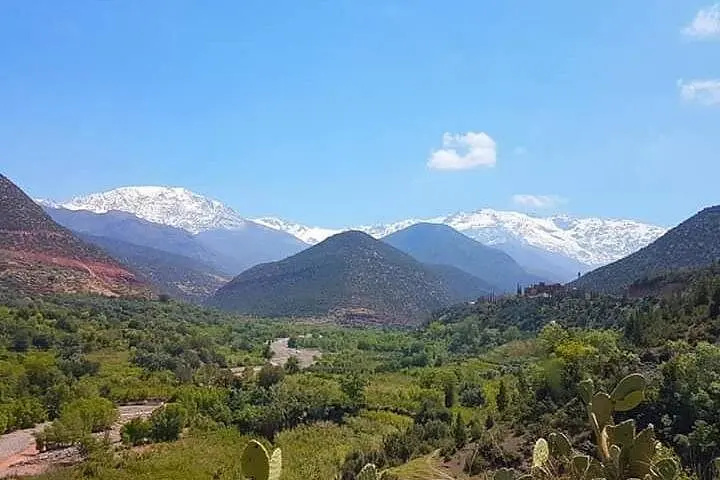
This day trip moves through the western flank of Toubkal National Park, an area long inhabited by Amazigh (Berber) communities who farm steep plots and keep seasonal traditions. Geology here is raw—river-cut gorges, seasonal cascades fed by snowmelt, and the massif that culminates at Jebel Toubkal, North Africa’s highest peak.
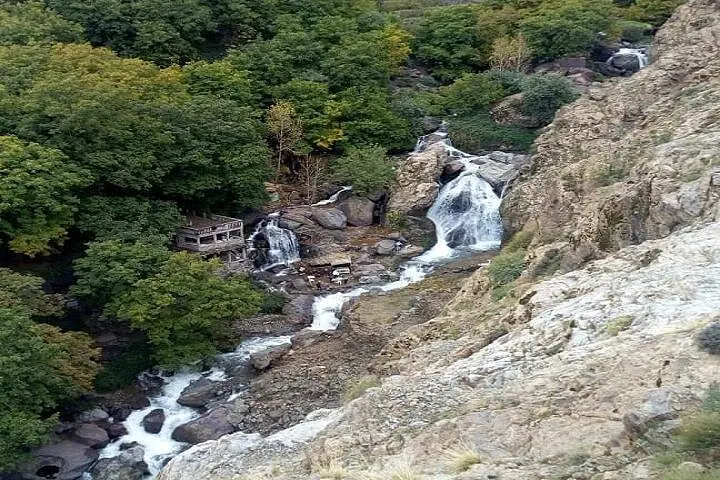
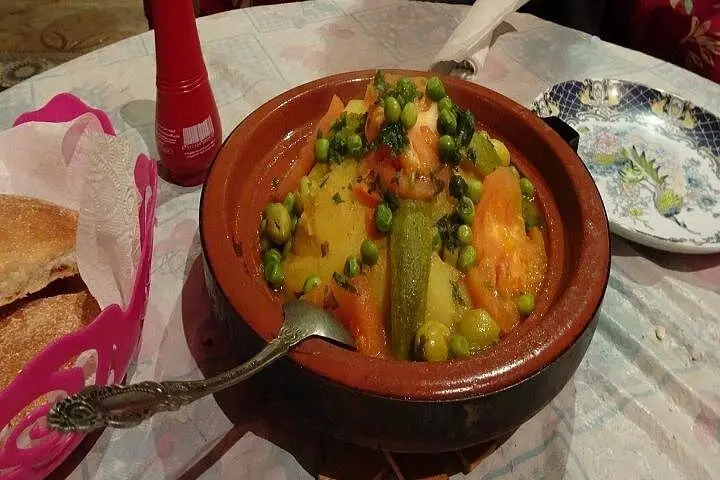
A local guide leads a moderate loop: riverside paths to a broad waterfall, tea with a family in Armed or Mzzik, then a village lunch in Ait Souka with tajine and mountain views. Optional camel or mule rides add a slower way to read the landscape and meet residents whose crafts and daily rhythms reflect centuries of mountain life.
Practical side: expect unpaved trails, short steep sections, and uneven stone steps. Hydrate before you start, carry sun protection, and wear sturdy footwear. The route is suitable for travelers with basic fitness; flexible pacing and good guides make it accessible. Aim to travel in morning light for cooler hiking and clearer views; afternoons can warm quickly and waterfalls are most vigorous in spring and early summer.
Pickup and drop-off are provided at your accommodation in Marrakech; confirm the exact time and meeting point when you book.
Hikes are short to moderate with some uneven stone steps—most people with basic fitness can participate; your guide will adapt pace as needed.
Yes, a traditional Berber lunch is included and guides can arrange vegetarian or vegan options if requested in advance.
Basic facilities are available in some village stops; expect limited amenities on trails—plan accordingly.
Trekking in Morocco operates guided outdoor trips and adventures with an emphasis on safety, stewardship, and memorable experiences.
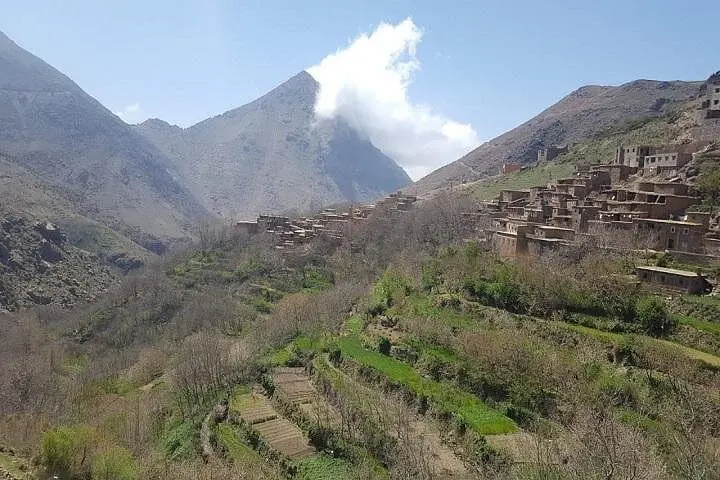
You leave Marrakech behind and the city’s clamor thins into stone terraces and a sharper light. The minivan winds up from the plain, past olive groves and the Righaya River, and suddenly the High Atlas walls rise: jagged schist and volcanic ridges folded by ancient tectonics. Villages cling to terraces, smoke from wood fires drifting through narrow alleys as goats browse the slopes.
You leave Marrakech behind and the city’s clamor thins into stone terraces and a sharper light. The minivan winds up from the plain, past olive groves and the Righaya River, and suddenly the High Atlas walls rise: jagged schist and volcanic ridges folded by ancient tectonics. Villages cling to terraces, smoke from wood fires drifting through narrow alleys as goats browse the slopes.
This day trip moves through the western flank of Toubkal National Park, an area long inhabited by Amazigh (Berber) communities who farm steep plots and keep seasonal traditions. Geology here is raw—river-cut gorges, seasonal cascades fed by snowmelt, and the massif that culminates at Jebel Toubkal, North Africa’s highest peak.
A local guide leads a moderate loop: riverside paths to a broad waterfall, tea with a family in Armed or Mzzik, then a village lunch in Ait Souka with tajine and mountain views. Optional camel or mule rides add a slower way to read the landscape and meet residents whose crafts and daily rhythms reflect centuries of mountain life.
Practical side: expect unpaved trails, short steep sections, and uneven stone steps. Hydrate before you start, carry sun protection, and wear sturdy footwear. The route is suitable for travelers with basic fitness; flexible pacing and good guides make it accessible. Aim to travel in morning light for cooler hiking and clearer views; afternoons can warm quickly and waterfalls are most vigorous in spring and early summer.