THE ADVENTURE COLLECTIVE® · Independent discovery and booking for outdoor travel

Escape Marrakech for a full-day tour into the High Atlas to visit Berber villages, climb to waterfalls, ride a camel and meet a local family. This compact day trip blends geology, culture and accessible walking around Imlil and Asni valleys.
Escape Marrakech for a full-day tour into the High Atlas to visit Berber villages, climb to waterfalls, ride a camel and meet a local family. This compact day trip blends geology, culture and accessible walking around Imlil and Asni valleys.
You pull away from the ochre maze of Marrakech and the city’s heat peels back like a curtain; within an hour the road climbs and the air acquires a mineral sharpness. Peaks of the High Atlas rise ahead—rock faces and terraced fields stitched with dry stone—while villages spit-white against the slopes promise a different pace of life.
Verified experiences and guided adventures in the surrounding area.
Operated by Marrakesh Tours by Mustapha · Marrakech, Marrakech-Safi
You pull away from the ochre maze of Marrakech and the city’s heat peels back like a curtain; within an hour the road climbs and the air acquires a mineral sharpness. Peaks of the High Atlas rise ahead—rock faces and terraced fields stitched with dry stone—while villages spit-white against the slopes promise a different pace of life.
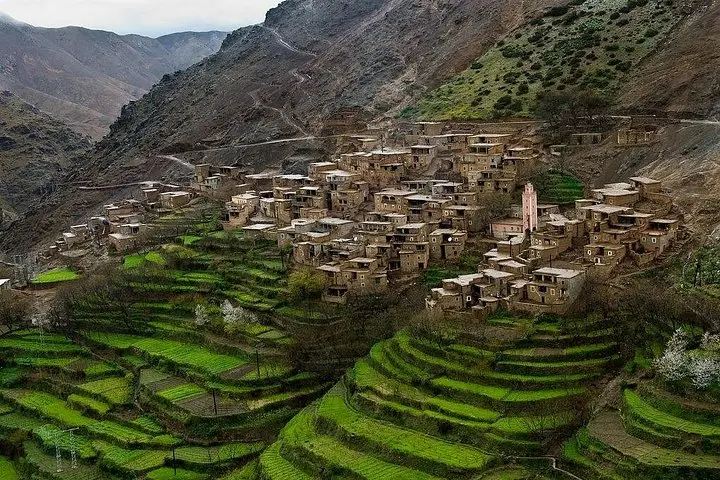
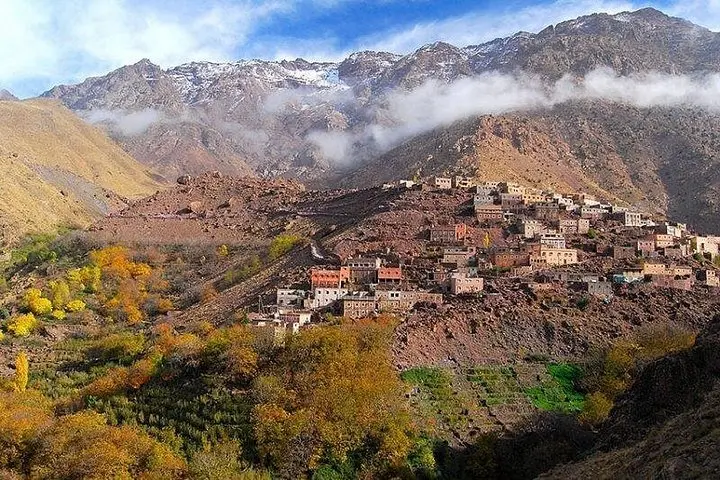
The route threads Imlil, Asni and Amizmiz valleys, where Amazigh (Berber) houses cluster along mule tracks and the river dares you to follow it toward cool cascades. Centuries-old dry-stone terraces and argan groves record a working landscape carved to hold water and soil; you’ll pass an argan women’s cooperative where local production fuels household incomes. Geology here is mostly folded sandstone and schist shaped by erosion and winter snows, giving the valleys their steep, angular relief.
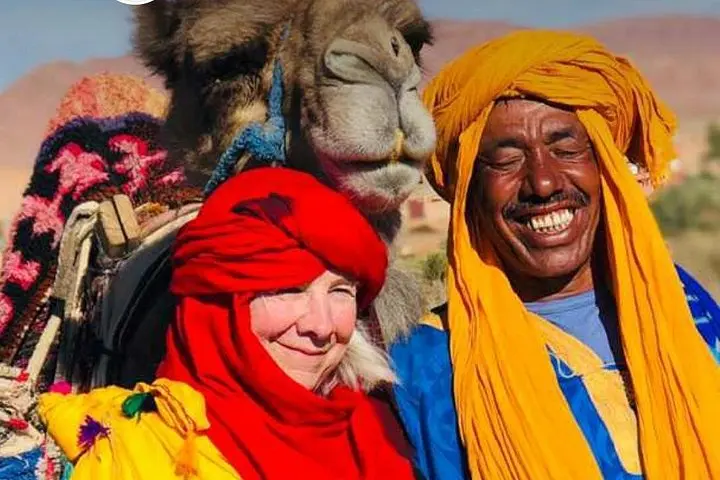
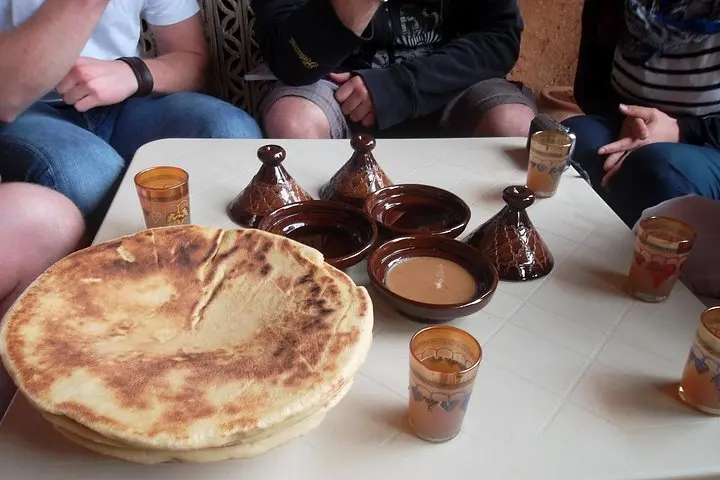
Culturally the day is conversational—tea with a Berber family, a camel ride on gentler slopes, and a simple tagine shared at midday—an informal window into village life rather than a deep ethnographic study.
Practical side: the tour runs about 8 hours with pickup from Marrakech around 9:00. Expect light walking to village viewpoints and falls; mules are available if needed. Pack sun protection, a refillable water bottle, and layers for changing temperatures. Footwear with decent tread makes narrow paths easier and polite behavior—asking before photos, accepting tea invitations—opens doors. By late afternoon you’re back in Marrakech with mountain air still on your jacket and a clearer sense of how the High Atlas shapes daily life.
Yes—pickup from your riad or hotel in Marrakech is included; you’ll be contacted to confirm exact pickup time and location.
Walks are generally short and on village paths; the tour is rated suitable for all fitness levels though some uneven ground is involved.
The included camel ride is short and aimed at photo and cultural experience rather than long-distance trekking; staff assist mounting and dismounting.
Infants may ride on laps and those unable to walk can use mules where available—confirm special requirements when booking.
Marrakesh Tours by Mustapha operates guided outdoor trips and adventures with an emphasis on safety, stewardship, and memorable experiences.
You pull away from the ochre maze of Marrakech and the city’s heat peels back like a curtain; within an hour the road climbs and the air acquires a mineral sharpness. Peaks of the High Atlas rise ahead—rock faces and terraced fields stitched with dry stone—while villages spit-white against the slopes promise a different pace of life.
You pull away from the ochre maze of Marrakech and the city’s heat peels back like a curtain; within an hour the road climbs and the air acquires a mineral sharpness. Peaks of the High Atlas rise ahead—rock faces and terraced fields stitched with dry stone—while villages spit-white against the slopes promise a different pace of life.
The route threads Imlil, Asni and Amizmiz valleys, where Amazigh (Berber) houses cluster along mule tracks and the river dares you to follow it toward cool cascades. Centuries-old dry-stone terraces and argan groves record a working landscape carved to hold water and soil; you’ll pass an argan women’s cooperative where local production fuels household incomes. Geology here is mostly folded sandstone and schist shaped by erosion and winter snows, giving the valleys their steep, angular relief.
Culturally the day is conversational—tea with a Berber family, a camel ride on gentler slopes, and a simple tagine shared at midday—an informal window into village life rather than a deep ethnographic study.
Practical side: the tour runs about 8 hours with pickup from Marrakech around 9:00. Expect light walking to village viewpoints and falls; mules are available if needed. Pack sun protection, a refillable water bottle, and layers for changing temperatures. Footwear with decent tread makes narrow paths easier and polite behavior—asking before photos, accepting tea invitations—opens doors. By late afternoon you’re back in Marrakech with mountain air still on your jacket and a clearer sense of how the High Atlas shapes daily life.