THE ADVENTURE COLLECTIVE® · Independent discovery and booking for outdoor travel
A compact two-day trek from Marrakech into the Imlil Valley and up to Tawdja (2,700 m). Expect steep climbs, stone trails, Berber villages, and a rewarding summit view — ideal for hikers with good stamina.
A compact two-day trek from Marrakech into the Imlil Valley and up to Tawdja (2,700 m). Expect steep climbs, stone trails, Berber villages, and a rewarding summit view — ideal for hikers with good stamina.
The path leaves Marrakech before dawn and unfurls through a changing light — olive groves give way to stone terraces and a mountain air that sharpens the senses. By late morning you’ll be in Imlil Valley, where mule tracks and narrow footpaths lead uphill past waterfalls and small Berber hamlets. The first day is a steady, 3–5 hour approach across mixed dirt trails and rocky switchbacks, ending in a guesthouse or riad where tea and a wood-fired dinner await.
Verified experiences and guided adventures in the surrounding area.
Operated by Trek in Atlas · Imlil, Marrakesh-Safi
The path leaves Marrakech before dawn and unfurls through a changing light — olive groves give way to stone terraces and a mountain air that sharpens the senses. By late morning you’ll be in Imlil Valley, where mule tracks and narrow footpaths lead uphill past waterfalls and small Berber hamlets. The first day is a steady, 3–5 hour approach across mixed dirt trails and rocky switchbacks, ending in a guesthouse or riad where tea and a wood-fired dinner await.
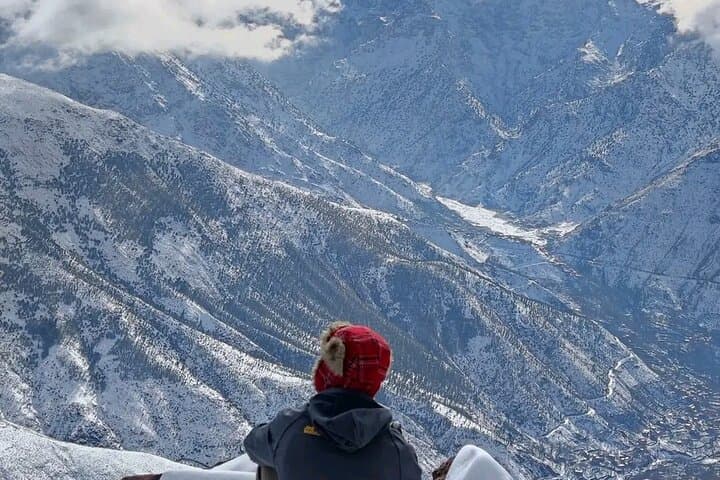
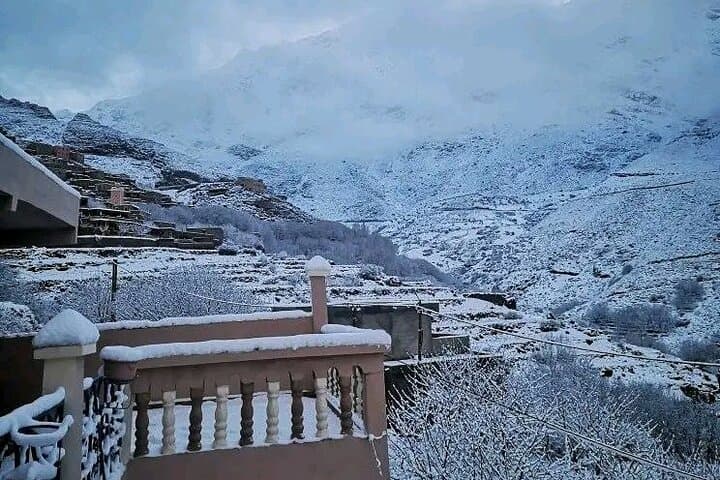
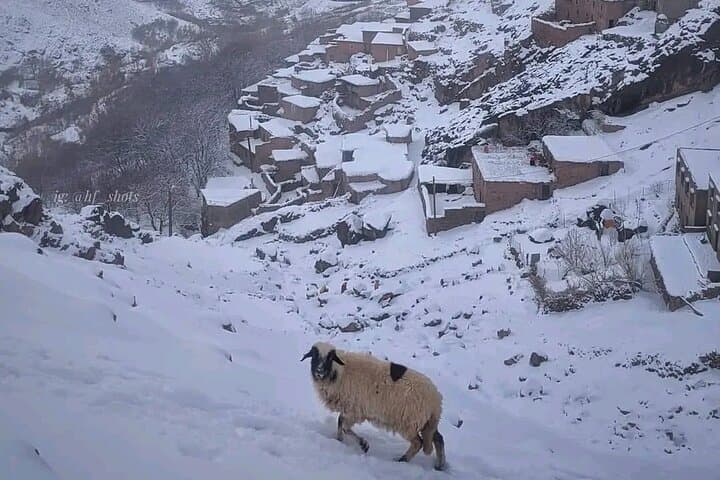
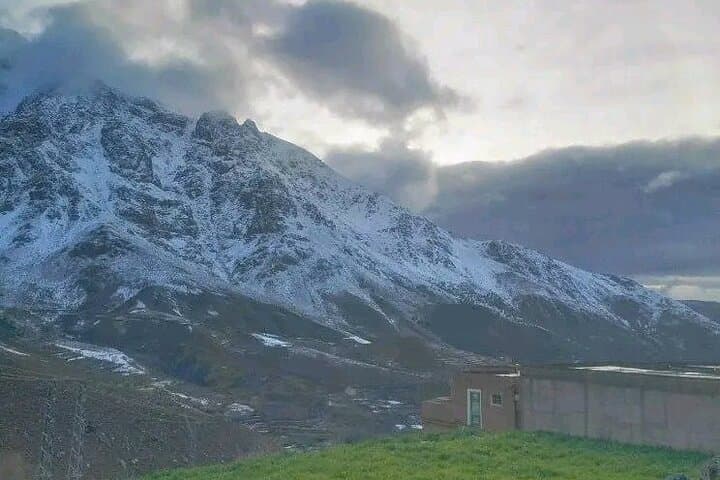
These slopes are part of the High Atlas range, carved from ancient uplift and folded sediments; granite outcrops and scree fields appear above 2,000 m. The cultural landscape reflects centuries of Berber farming — terraced fields, stone houses, and irrigation channels that still carry meltwater from the peaks. Guides often point out traditional weaving, seasonal lamb grazing, and local names for passes like Tizi N'Tamatart.
On day two you’ll climb to Tawdja at about 2,700 m. Expect roughly 900–1,000 m of ascent from valley trailheads, 2.5–3 hours up across loose rock and steeper pitches, a lunch stop near 2,279 m, then a panoramic summit and a 1.5-hour descent back to the vehicle. Trails can be exposed and the weather variable; the sun can be strong and storms arrive fast.
Practical notes: wear sturdy hiking boots with good traction, pack layers for wind and altitude, carry 2–3 liters of water and snacks, and start early to avoid afternoon weather. Acclimatize if you’ve recently arrived from low elevations, and respect local customs in villages — a quiet, curious approach goes a long way.
Day two includes roughly 900–1,000 m of elevation gain over 2.5–3 hours; it’s steady and can feel hard at altitude but requires no technical climbing.
Accommodation is typically in a local riad or guesthouse in the Imlil area with dinner and breakfast included.
No technical experience is required, but hikers should be comfortable with long uphill walks and uneven terrain.
If you arrive from sea level, allow a day in Marrakech to rest; recognize symptoms like headache and nausea and descend if they worsen.
Trek in Atlas operates guided outdoor trips and adventures with an emphasis on safety, stewardship, and memorable experiences.
The path leaves Marrakech before dawn and unfurls through a changing light — olive groves give way to stone terraces and a mountain air that sharpens the senses. By late morning you’ll be in Imlil Valley, where mule tracks and narrow footpaths lead uphill past waterfalls and small Berber hamlets. The first day is a steady, 3–5 hour approach across mixed dirt trails and rocky switchbacks, ending in a guesthouse or riad where tea and a wood-fired dinner await.
The path leaves Marrakech before dawn and unfurls through a changing light — olive groves give way to stone terraces and a mountain air that sharpens the senses. By late morning you’ll be in Imlil Valley, where mule tracks and narrow footpaths lead uphill past waterfalls and small Berber hamlets. The first day is a steady, 3–5 hour approach across mixed dirt trails and rocky switchbacks, ending in a guesthouse or riad where tea and a wood-fired dinner await.
These slopes are part of the High Atlas range, carved from ancient uplift and folded sediments; granite outcrops and scree fields appear above 2,000 m. The cultural landscape reflects centuries of Berber farming — terraced fields, stone houses, and irrigation channels that still carry meltwater from the peaks. Guides often point out traditional weaving, seasonal lamb grazing, and local names for passes like Tizi N'Tamatart.
On day two you’ll climb to Tawdja at about 2,700 m. Expect roughly 900–1,000 m of ascent from valley trailheads, 2.5–3 hours up across loose rock and steeper pitches, a lunch stop near 2,279 m, then a panoramic summit and a 1.5-hour descent back to the vehicle. Trails can be exposed and the weather variable; the sun can be strong and storms arrive fast.
Practical notes: wear sturdy hiking boots with good traction, pack layers for wind and altitude, carry 2–3 liters of water and snacks, and start early to avoid afternoon weather. Acclimatize if you’ve recently arrived from low elevations, and respect local customs in villages — a quiet, curious approach goes a long way.
