THE ADVENTURE COLLECTIVE® · Independent discovery and booking for outdoor travel
A full‑day escape from Marrakech into the High Atlas: valley walks, waterfall viewpoints, a short camel ride, and visits with Berber families and an argan cooperative. Expect gentle hikes, cultural moments, and mountain air on a seven‑hour loop.
A full‑day escape from Marrakech into the High Atlas: valley walks, waterfall viewpoints, a short camel ride, and visits with Berber families and an argan cooperative. Expect gentle hikes, cultural moments, and mountain air on a seven‑hour loop.
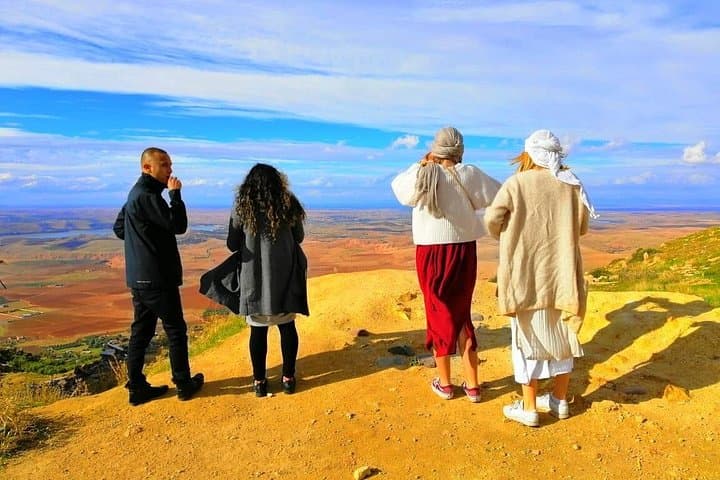
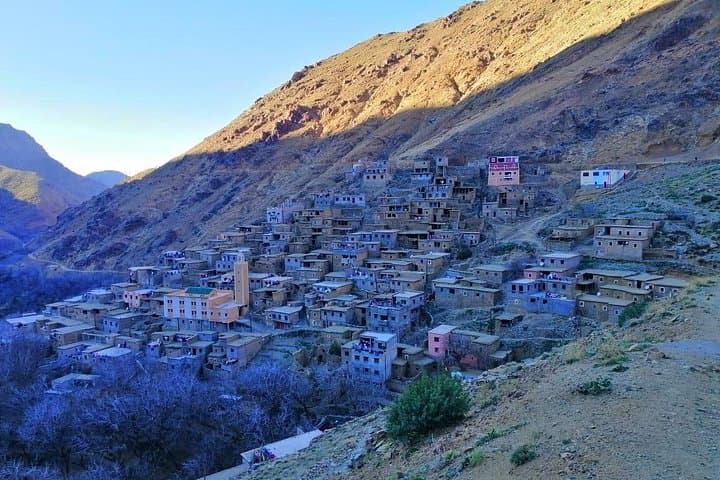
You leave the roar of Jemaa el‑Fna behind and the valley air opens around you—cooler, pine-scented, and edged with stone terraces. The minivan climbs onto the smooth ribbon of the N9 and, within an hour, the high ridgelines of the Atlas loom: ridges of dark rock cut with gullies and dotted with flat-roofed Berber houses. By midmorning you’ll be walking short tracks through fields and mule trails, watching a village dog challenge a passing herd while a stream dares you to follow its sound toward small waterfalls.
Verified experiences and guided adventures in the surrounding area.
Operated by Art de Cuivre Travel · Imlil, Marrakech-Safi
You leave the roar of Jemaa el‑Fna behind and the valley air opens around you—cooler, pine-scented, and edged with stone terraces. The minivan climbs onto the smooth ribbon of the N9 and, within an hour, the high ridgelines of the Atlas loom: ridges of dark rock cut with gullies and dotted with flat-roofed Berber houses. By midmorning you’ll be walking short tracks through fields and mule trails, watching a village dog challenge a passing herd while a stream dares you to follow its sound toward small waterfalls.
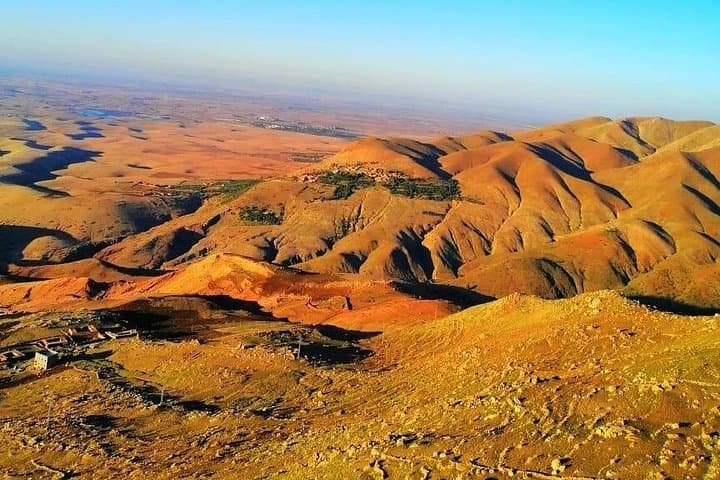
The High Atlas is the product of the African and Eurasian plates colliding; its valleys are folded and, in places, glacially sculpted, exposing schist and limestone under a thin skin of soil. These valleys host centuries-old Berber communities whose architecture and irrigation terraces reflect a practical mountain culture. Nearby, argan cooperatives support women’s incomes and offer a glance at local entrepreneurship.
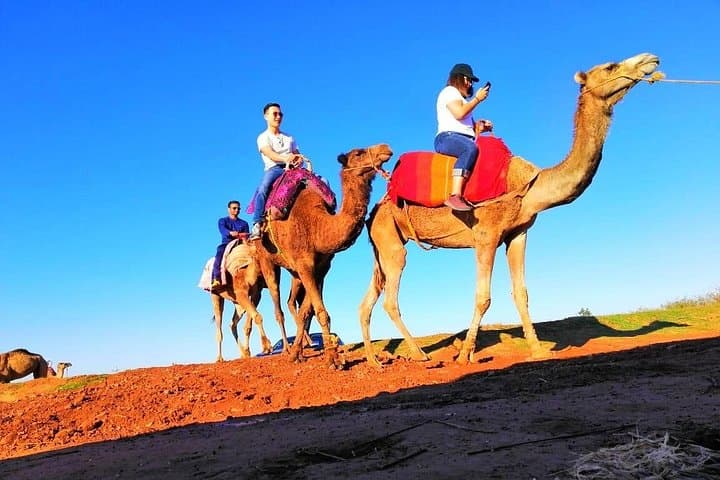
Practically, expect a full 7‑hour day that starts around 09:00 and returns to Marrakech by late afternoon. Included transport and a local guide mean logistics are simple; you’ll also ride a camel for a short, flat loop and visit a Berber home for tea—an easy cultural immersion rather than a trek. Walks are generally short (10–60 minutes), with occasional gentle climbs; Imlil village sits around 1,700–1,800 m elevation, so bring a light layer.
Plan for sun, dusty paths, and loose trail rocks: sturdy shoes, water, and respect for private yards keep the day smooth. The route is family-friendly but uneven in places; pacing is relaxed, the scenery immediate, and the cultural exchanges the real highlight.
The tour typically departs at 09:00 from your accommodation or Café de France and returns to Marrakech around 17:00.
Breakfast and tea with a Berber family are included; some listings also include lunch—confirm at booking.
Children and most travelers can participate; trails are short but uneven—those with significant mobility limits may find certain village paths difficult.
Yes—carry Moroccan dirhams for small purchases, tips, and cooperative souvenirs, as card acceptance is limited in villages.
Art de Cuivre Travel operates guided outdoor trips and adventures with an emphasis on safety, stewardship, and memorable experiences.
You leave the roar of Jemaa el‑Fna behind and the valley air opens around you—cooler, pine-scented, and edged with stone terraces. The minivan climbs onto the smooth ribbon of the N9 and, within an hour, the high ridgelines of the Atlas loom: ridges of dark rock cut with gullies and dotted with flat-roofed Berber houses. By midmorning you’ll be walking short tracks through fields and mule trails, watching a village dog challenge a passing herd while a stream dares you to follow its sound toward small waterfalls.
You leave the roar of Jemaa el‑Fna behind and the valley air opens around you—cooler, pine-scented, and edged with stone terraces. The minivan climbs onto the smooth ribbon of the N9 and, within an hour, the high ridgelines of the Atlas loom: ridges of dark rock cut with gullies and dotted with flat-roofed Berber houses. By midmorning you’ll be walking short tracks through fields and mule trails, watching a village dog challenge a passing herd while a stream dares you to follow its sound toward small waterfalls.
The High Atlas is the product of the African and Eurasian plates colliding; its valleys are folded and, in places, glacially sculpted, exposing schist and limestone under a thin skin of soil. These valleys host centuries-old Berber communities whose architecture and irrigation terraces reflect a practical mountain culture. Nearby, argan cooperatives support women’s incomes and offer a glance at local entrepreneurship.
Practically, expect a full 7‑hour day that starts around 09:00 and returns to Marrakech by late afternoon. Included transport and a local guide mean logistics are simple; you’ll also ride a camel for a short, flat loop and visit a Berber home for tea—an easy cultural immersion rather than a trek. Walks are generally short (10–60 minutes), with occasional gentle climbs; Imlil village sits around 1,700–1,800 m elevation, so bring a light layer.
Plan for sun, dusty paths, and loose trail rocks: sturdy shoes, water, and respect for private yards keep the day smooth. The route is family-friendly but uneven in places; pacing is relaxed, the scenery immediate, and the cultural exchanges the real highlight.
