THE ADVENTURE COLLECTIVE® · Independent discovery and booking for outdoor travel

Spend a full day from Marrakech exploring the High Atlas: a camel ride across the Agafay plain, a sheltered walk in Imlil Valley, and a home-cooked lunch with a Berber family. Practical, scenic, and suitable for most fitness levels.
Spend a full day from Marrakech exploring the High Atlas: a camel ride across the Agafay plain, a sheltered walk in Imlil Valley, and a home-cooked lunch with a Berber family. Practical, scenic, and suitable for most fitness levels.
The morning air from Marrakech thins as the road climbs toward the High Atlas. Olive terraces give way to stony slopes and sudden green pockets—orchards clinging to gullies, kasbahs built low to the wind. You’ll cross broad valleys with Mount Toubkal rising in the distance, then trade a minibus for a camel’s slow sway in the pale, rocky Agafay plain before slipping into the shaded lanes of Imlil.
Verified experiences and guided adventures in the surrounding area.
Operated by Morocco mountain treks · Marrakech, Marrakech-Safi
The morning air from Marrakech thins as the road climbs toward the High Atlas. Olive terraces give way to stony slopes and sudden green pockets—orchards clinging to gullies, kasbahs built low to the wind. You’ll cross broad valleys with Mount Toubkal rising in the distance, then trade a minibus for a camel’s slow sway in the pale, rocky Agafay plain before slipping into the shaded lanes of Imlil.
The region is shaped by the collision of the African and Eurasian plates; folded limestone and volcanic outcrops create the steep gullies and waterfalls that feed terraced agriculture. Berber (Amazigh) communities have farmed these slopes for centuries; meeting a family in Ait Souka offers a straightforward window into that daily life—tea, shared bread, and a kitchen terrace facing the river.
Expect short, steady walks rather than technical hikes: mule tracks, village lanes, and river crossings under chestnut and apple trees. The camel section is on firm desert ground and is largely scenic rather than strenuous. Practicalities matter—sun, elevation change and variable footing call for layered clothing, good shoes, and water. Hotel pickup and drop-off simplify logistics, and a guided local host usually manages timing, translations, and introductions to cooperatives (like argan oil producers) en route.
This day trip balances cultural exchange with accessible outdoor time: a measured taste of the Atlas’ peaks and plains that’s less about summit ambitions and more about landscape, hospitality, and straightforward mountain travel.
Moderate fitness is enough—there are short, mostly non-technical walks and a camel ride; no climbing or steep ascents required.
Yes—transport to and from Marrakech hotels is normally included in the tour price.
Yes—camel rides here are on flat, rocky desert and guided by handlers; inform the guide if you have back problems or pregnancy.
Bring cash in Moroccan dirham for markets, cooperatives, and tips; many village vendors don’t accept cards.
Morocco mountain treks operates guided outdoor trips and adventures with an emphasis on safety, stewardship, and memorable experiences.
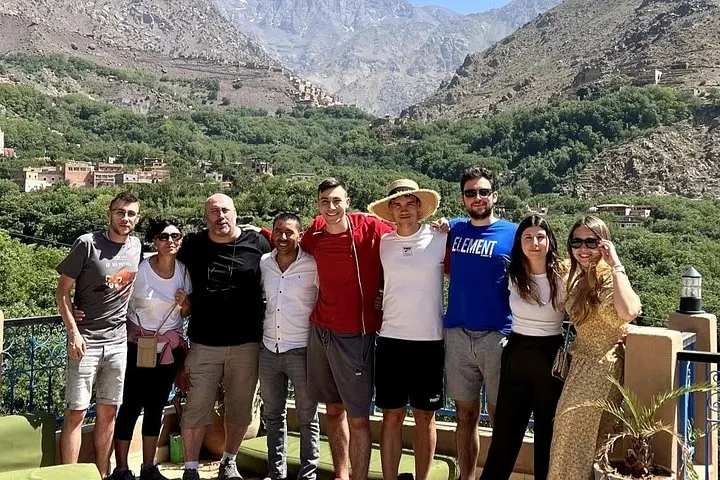
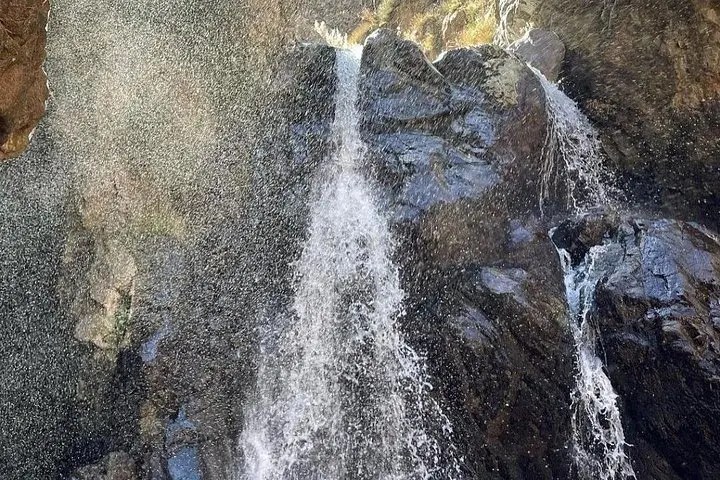
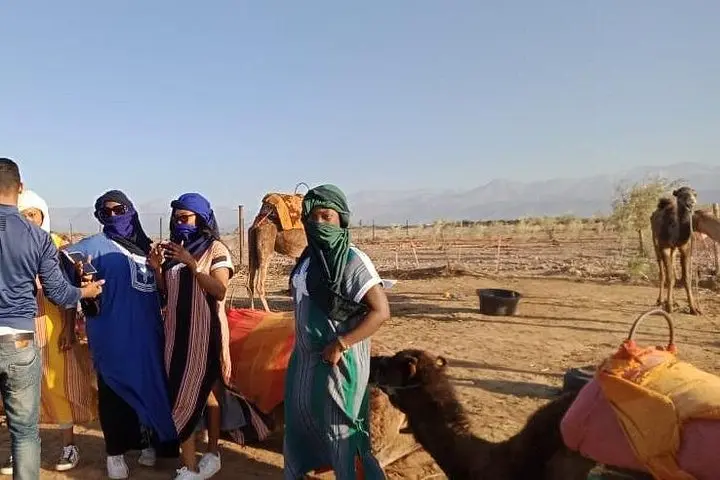
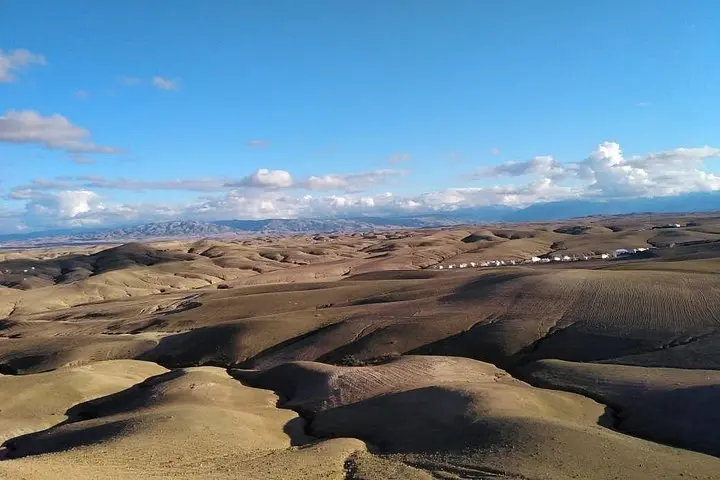
The morning air from Marrakech thins as the road climbs toward the High Atlas. Olive terraces give way to stony slopes and sudden green pockets—orchards clinging to gullies, kasbahs built low to the wind. You’ll cross broad valleys with Mount Toubkal rising in the distance, then trade a minibus for a camel’s slow sway in the pale, rocky Agafay plain before slipping into the shaded lanes of Imlil.
The morning air from Marrakech thins as the road climbs toward the High Atlas. Olive terraces give way to stony slopes and sudden green pockets—orchards clinging to gullies, kasbahs built low to the wind. You’ll cross broad valleys with Mount Toubkal rising in the distance, then trade a minibus for a camel’s slow sway in the pale, rocky Agafay plain before slipping into the shaded lanes of Imlil.
The region is shaped by the collision of the African and Eurasian plates; folded limestone and volcanic outcrops create the steep gullies and waterfalls that feed terraced agriculture. Berber (Amazigh) communities have farmed these slopes for centuries; meeting a family in Ait Souka offers a straightforward window into that daily life—tea, shared bread, and a kitchen terrace facing the river.
Expect short, steady walks rather than technical hikes: mule tracks, village lanes, and river crossings under chestnut and apple trees. The camel section is on firm desert ground and is largely scenic rather than strenuous. Practicalities matter—sun, elevation change and variable footing call for layered clothing, good shoes, and water. Hotel pickup and drop-off simplify logistics, and a guided local host usually manages timing, translations, and introductions to cooperatives (like argan oil producers) en route.
This day trip balances cultural exchange with accessible outdoor time: a measured taste of the Atlas’ peaks and plains that’s less about summit ambitions and more about landscape, hospitality, and straightforward mountain travel.