THE ADVENTURE COLLECTIVE® · Independent discovery and booking for outdoor travel

Spend a day in the High Atlas learning classic Berber cooking, then stretch your legs on a 2.5-hour village walk. This hands-on tagine and couscous experience combines market ingredients, local stories, and mountain scenery.
Spend a day in the High Atlas learning classic Berber cooking, then stretch your legs on a 2.5-hour village walk. This hands-on tagine and couscous experience combines market ingredients, local stories, and mountain scenery.
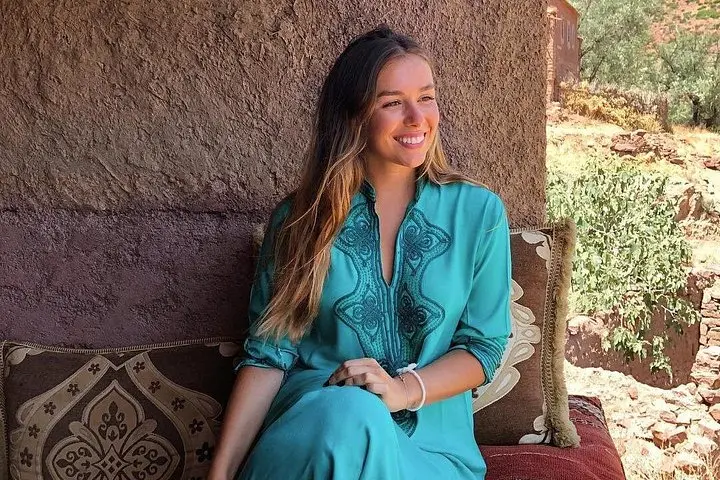
A cool morning drive from Marrakech pushes through almond orchards and switchbacks until the road breathes out into a small Atlas village. Steam rises from tagine pots as the riad’s kitchen readies for a hands-on lesson; outside, the foothills hum with the sound of brook and goat bells. The day moves at a lived-in pace: tasting, chopping, and chatting, then lacing up trainers for a 2.5-hour walk that threads past waterfalls and terraced fields.
Verified experiences and guided adventures in the surrounding area.
Operated by Exploring Atlas Mountains · Imlil, Marrakech-Safi
A cool morning drive from Marrakech pushes through almond orchards and switchbacks until the road breathes out into a small Atlas village. Steam rises from tagine pots as the riad’s kitchen readies for a hands-on lesson; outside, the foothills hum with the sound of brook and goat bells. The day moves at a lived-in pace: tasting, chopping, and chatting, then lacing up trainers for a 2.5-hour walk that threads past waterfalls and terraced fields.
The High Atlas is geologically young, carved from uplifted limestone and volcanic rock; local Berber communities have farmed these slopes for centuries, trading salt and saffron along mule tracks. Food here is practical and aromatic — preserved lemons, olive oil, slow-cooked meats and spice blends that reflect a blend of Amazigh (Berber) heritage and Arab, sub-Saharan, and Mediterranean influences.
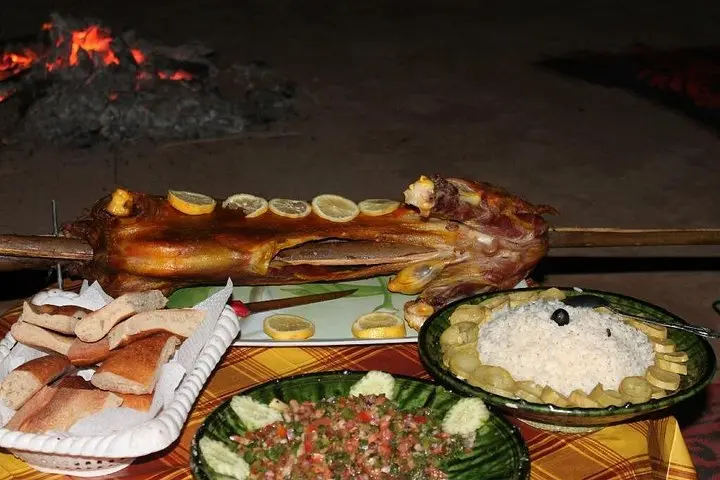
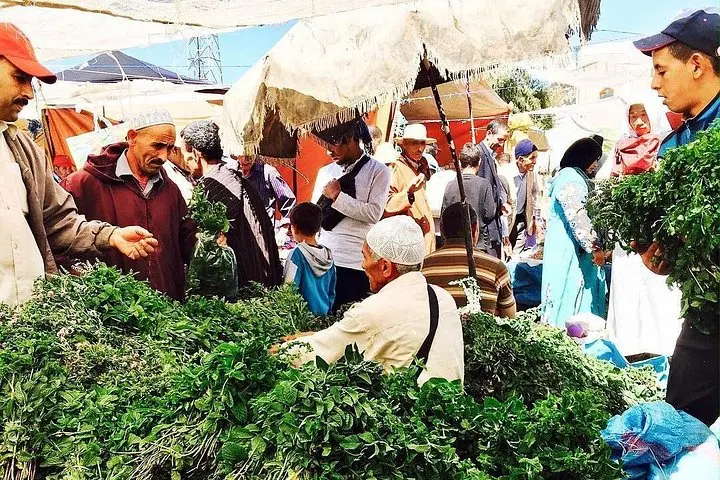
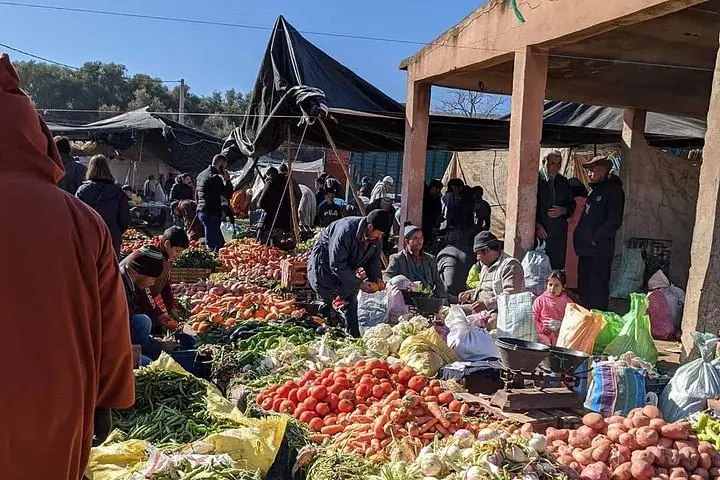
Expect a practical lesson on making a beef or vegetarian tagine and couscous using market-bought ingredients, followed by a moderate 4–6 km walk with about 150–350 m cumulative elevation gain over uneven stone and dirt trails. Guides often include mint-tea stops and brief cultural talks about village life.
Practical tips: wear grippy shoes for both the kitchen and trails, bring layered clothing for sun-to-chill shifts, and carry water and sunscreen. The tour runs about six hours with roundtrip transport from Marrakech; it’s best for travelers comfortable with basic cooking tasks and a moderate walk. The payoff is a shared meal you helped build and a clearer sense of mountain life beyond the city.
Yes; the tour typically includes roundtrip transport from central riads and hotels in Marrakech—confirm your pickup point when booking.
Operators can usually adapt dishes for vegetarians or common allergies if you notify them at booking; strict medical diets should be discussed in advance.
The included walk is moderate: roughly 4–6 km over dirt and stone with intermittent short climbs, suitable for anyone used to steady walking.
Full refunds are generally available if you cancel at least 24 hours before departure; check your booking confirmation for exact terms.
Exploring Atlas Mountains operates guided outdoor trips and adventures with an emphasis on safety, stewardship, and memorable experiences.
A cool morning drive from Marrakech pushes through almond orchards and switchbacks until the road breathes out into a small Atlas village. Steam rises from tagine pots as the riad’s kitchen readies for a hands-on lesson; outside, the foothills hum with the sound of brook and goat bells. The day moves at a lived-in pace: tasting, chopping, and chatting, then lacing up trainers for a 2.5-hour walk that threads past waterfalls and terraced fields.
A cool morning drive from Marrakech pushes through almond orchards and switchbacks until the road breathes out into a small Atlas village. Steam rises from tagine pots as the riad’s kitchen readies for a hands-on lesson; outside, the foothills hum with the sound of brook and goat bells. The day moves at a lived-in pace: tasting, chopping, and chatting, then lacing up trainers for a 2.5-hour walk that threads past waterfalls and terraced fields.
The High Atlas is geologically young, carved from uplifted limestone and volcanic rock; local Berber communities have farmed these slopes for centuries, trading salt and saffron along mule tracks. Food here is practical and aromatic — preserved lemons, olive oil, slow-cooked meats and spice blends that reflect a blend of Amazigh (Berber) heritage and Arab, sub-Saharan, and Mediterranean influences.
Expect a practical lesson on making a beef or vegetarian tagine and couscous using market-bought ingredients, followed by a moderate 4–6 km walk with about 150–350 m cumulative elevation gain over uneven stone and dirt trails. Guides often include mint-tea stops and brief cultural talks about village life.
Practical tips: wear grippy shoes for both the kitchen and trails, bring layered clothing for sun-to-chill shifts, and carry water and sunscreen. The tour runs about six hours with roundtrip transport from Marrakech; it’s best for travelers comfortable with basic cooking tasks and a moderate walk. The payoff is a shared meal you helped build and a clearer sense of mountain life beyond the city.