THE ADVENTURE COLLECTIVE® · Independent discovery and booking for outdoor travel

Leave Marrakech for a full-day High Atlas hike from Imlil, where quiet Berber villages, terraced slopes and a scenic picnic await. Expect 3–4 hours of walking on mixed terrain with a knowledgeable local guide and easy cultural stops.
Leave Marrakech for a full-day High Atlas hike from Imlil, where quiet Berber villages, terraced slopes and a scenic picnic await. Expect 3–4 hours of walking on mixed terrain with a knowledgeable local guide and easy cultural stops.
By midmorning the road leaves Marrakech’s ochre heat behind and begins to climb, hairpins revealing terraced fields and low stone villages that seem to push the mountains into view. The driver drops you in Imlil or a nearby trailhead and the guide points the way: a clear track, occasional mule steps, and a thin river daring you to follow its course upward.
Verified experiences and guided adventures in the surrounding area.
Operated by Tours Around Morocco · Imlil, Marrakesh-Safi
By midmorning the road leaves Marrakech’s ochre heat behind and begins to climb, hairpins revealing terraced fields and low stone villages that seem to push the mountains into view. The driver drops you in Imlil or a nearby trailhead and the guide points the way: a clear track, occasional mule steps, and a thin river daring you to follow its course upward.
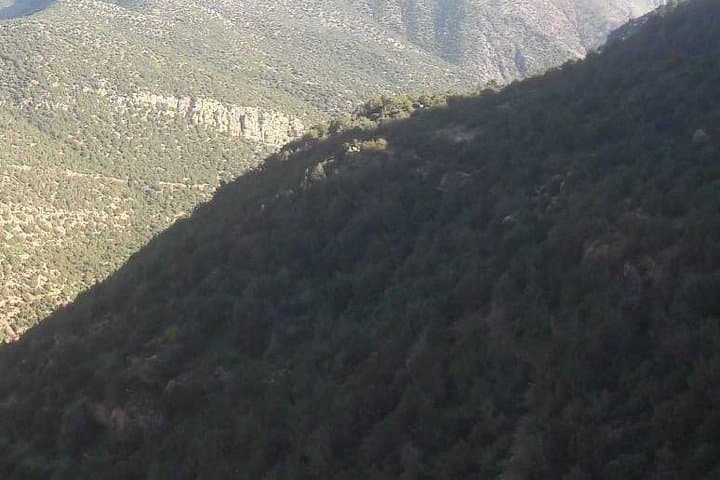
Geology here is blunt and honest—old granitic spines carved by snow and winter storms into the High Atlas. The region has long been shaped by Amazigh (Berber) communities farming steep terraces and moving flocks; you’ll pass flat-roofed houses, terraced orchards and the small sanctuaries where locals pause for mint tea. The cultural rhythm is quiet: shepherd bells, the clack of walking sticks, and guides who know which seasons bring wild fruit to the picnic basket.
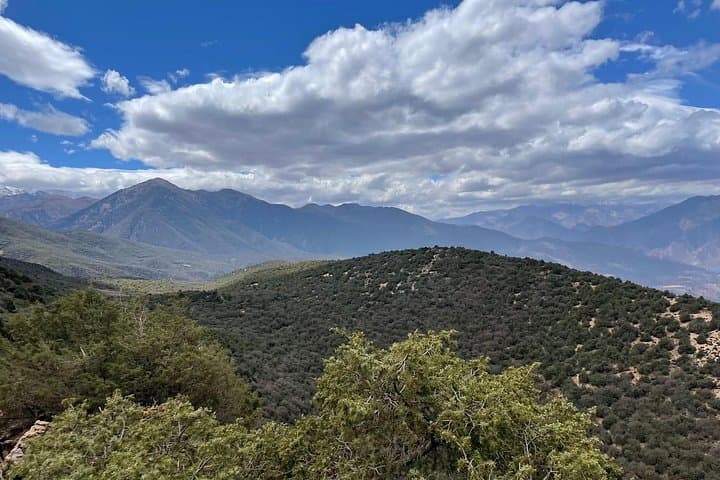
Expect 3–4 hours of walking on mixed terrain: dirt tracks, rock steps and short steeper sections with modest elevation gain. The pace is conversational; the views reward short stops—open ridgelines, distant snow-capped summits in winter, and the valley dropping toward Marrakech. The picnic is simple but scenic: seasonal fruit, flatbread and local cheeses taken on a high viewpoint.
Practical edge: bring 2–3 liters of water, layered clothing for wind and shade, sturdy boots and sun protection. Start early from Marrakech to avoid afternoon heat, carry cash for tea in tiny mountain teahouses, and leave no trace: these villages depend on clean water and respectful visitors. The day ends with a relaxed drive back to the city, muscles tired and photo cards full.
Expect about 1.5 hours each way depending on traffic and exact pickup point; the listed tour day totals roughly eight hours.
Yes—if you have moderate fitness and can manage 3–4 hours of walking on uneven ground; the guide adjusts pace to the group.
Guides typically speak English and French; interactions with locals may also involve Tamazight (Berber).
Yes—lunch is a picnic with seasonal fruit and local items; bring extra snacks if you have higher calorie needs.
Tours Around Morocco operates guided outdoor trips and adventures with an emphasis on safety, stewardship, and memorable experiences.


By midmorning the road leaves Marrakech’s ochre heat behind and begins to climb, hairpins revealing terraced fields and low stone villages that seem to push the mountains into view. The driver drops you in Imlil or a nearby trailhead and the guide points the way: a clear track, occasional mule steps, and a thin river daring you to follow its course upward.
By midmorning the road leaves Marrakech’s ochre heat behind and begins to climb, hairpins revealing terraced fields and low stone villages that seem to push the mountains into view. The driver drops you in Imlil or a nearby trailhead and the guide points the way: a clear track, occasional mule steps, and a thin river daring you to follow its course upward.
Geology here is blunt and honest—old granitic spines carved by snow and winter storms into the High Atlas. The region has long been shaped by Amazigh (Berber) communities farming steep terraces and moving flocks; you’ll pass flat-roofed houses, terraced orchards and the small sanctuaries where locals pause for mint tea. The cultural rhythm is quiet: shepherd bells, the clack of walking sticks, and guides who know which seasons bring wild fruit to the picnic basket.
Expect 3–4 hours of walking on mixed terrain: dirt tracks, rock steps and short steeper sections with modest elevation gain. The pace is conversational; the views reward short stops—open ridgelines, distant snow-capped summits in winter, and the valley dropping toward Marrakech. The picnic is simple but scenic: seasonal fruit, flatbread and local cheeses taken on a high viewpoint.
Practical edge: bring 2–3 liters of water, layered clothing for wind and shade, sturdy boots and sun protection. Start early from Marrakech to avoid afternoon heat, carry cash for tea in tiny mountain teahouses, and leave no trace: these villages depend on clean water and respectful visitors. The day ends with a relaxed drive back to the city, muscles tired and photo cards full.