THE ADVENTURE COLLECTIVE® · Independent discovery and booking for outdoor travel

A one-day escape from Marrakesh to Imlil in the High Atlas: a guided 3-hour trek through Berber villages, panoramic ridges, and a traditional lunch at a guesthouse. Perfect for travelers seeking cultural contact with manageable trails and dramatic mountain scenery.
A one-day escape from Marrakesh to Imlil in the High Atlas: a guided 3-hour trek through Berber villages, panoramic ridges, and a traditional lunch at a guesthouse. Perfect for travelers seeking cultural contact with manageable trails and dramatic mountain scenery.
You leave Marrakesh’s ochre walls and, after an hour and a half drive, the air sharpens and the High Atlas rises around you. In Imlil the village sits at about 1,800 m, fields and stone houses stepping up the valley; the trail threads through terraced plots and walnut trees, and the mountain seems to lean in, daring you up toward the ridgelines.
Verified experiences and guided adventures in the surrounding area.
Operated by Exploring Atlas Mountains · Imlil, Marrakesh-Safi
You leave Marrakesh’s ochre walls and, after an hour and a half drive, the air sharpens and the High Atlas rises around you. In Imlil the village sits at about 1,800 m, fields and stone houses stepping up the valley; the trail threads through terraced plots and walnut trees, and the mountain seems to lean in, daring you up toward the ridgelines.
The route follows age-old mule tracks that once linked summer pastures and trading posts. Geologically the High Atlas is young and rugged—folded sedimentary and volcanic rock pushed up by the African and Eurasian plates—so expect abrupt ridgelines and fast-changing views. Cultural life here is Amazigh (Berber): guesthouses run by local families, stone-built villages, and shared teahouses where mint tea is offered as a mark of welcome.
Practically, this is a half-day outing with a guide: a relaxed 1.5-hour transfer from Marrakesh, about 3 hours of walking through villages such as Aremd and Aroumd, and a traditional lunch at a Berber guesthouse before returning mid-afternoon. Trails are uneven but not technical; altitude can make sections feel harder than the distance suggests. Bring layered clothing for sun and wind, sturdy footwear for loose scree and narrow paths, and cash for small purchases in village shops.
Plan for early starts in summer to avoid heat and for a warm midlayer in shoulder seasons. Respect private farmland, follow your guide’s route, and consider supporting local guides and guesthouses—sustainable tourism helps these mountain communities remain viable.
The walk is non-technical and rated easy—about three hours on uneven village tracks with some short ascents; moderate pace and basic fitness recommended.
Imlil is around 1,800 m; most people tolerate it fine, but take it easy if you’re sensitive to altitude, and drink water.
Lunch is at a local guesthouse—notify the operator in advance for vegetarian, halal, or allergy needs; most places can accommodate basic requests.
Reception is intermittent in valleys and villages; inform your guide of any urgent needs and bring emergency contacts on paper.
Exploring Atlas Mountains operates guided outdoor trips and adventures with an emphasis on safety, stewardship, and memorable experiences.
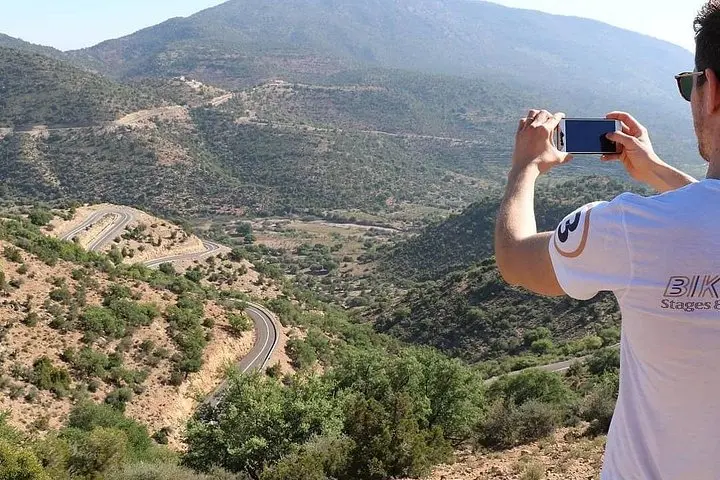
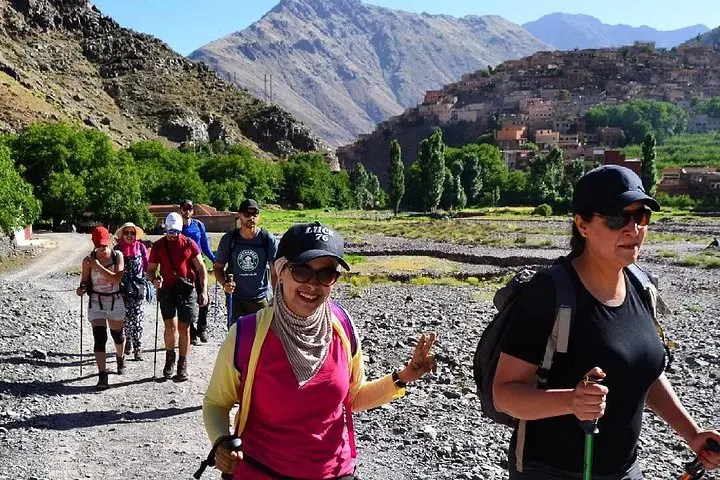

You leave Marrakesh’s ochre walls and, after an hour and a half drive, the air sharpens and the High Atlas rises around you. In Imlil the village sits at about 1,800 m, fields and stone houses stepping up the valley; the trail threads through terraced plots and walnut trees, and the mountain seems to lean in, daring you up toward the ridgelines.
You leave Marrakesh’s ochre walls and, after an hour and a half drive, the air sharpens and the High Atlas rises around you. In Imlil the village sits at about 1,800 m, fields and stone houses stepping up the valley; the trail threads through terraced plots and walnut trees, and the mountain seems to lean in, daring you up toward the ridgelines.
The route follows age-old mule tracks that once linked summer pastures and trading posts. Geologically the High Atlas is young and rugged—folded sedimentary and volcanic rock pushed up by the African and Eurasian plates—so expect abrupt ridgelines and fast-changing views. Cultural life here is Amazigh (Berber): guesthouses run by local families, stone-built villages, and shared teahouses where mint tea is offered as a mark of welcome.
Practically, this is a half-day outing with a guide: a relaxed 1.5-hour transfer from Marrakesh, about 3 hours of walking through villages such as Aremd and Aroumd, and a traditional lunch at a Berber guesthouse before returning mid-afternoon. Trails are uneven but not technical; altitude can make sections feel harder than the distance suggests. Bring layered clothing for sun and wind, sturdy footwear for loose scree and narrow paths, and cash for small purchases in village shops.
Plan for early starts in summer to avoid heat and for a warm midlayer in shoulder seasons. Respect private farmland, follow your guide’s route, and consider supporting local guides and guesthouses—sustainable tourism helps these mountain communities remain viable.