THE ADVENTURE COLLECTIVE® · Independent discovery and booking for outdoor travel

Trade Marrakech’s bustle for an eight-hour circuit through the High Atlas: camel trek, village hikes, waterfalls and a hands-on look at Berber daily life. Expect rocky footpaths, granite ridgelines and local meals at a women’s cooperative.
Trade Marrakech’s bustle for an eight-hour circuit through the High Atlas: camel trek, village hikes, waterfalls and a hands-on look at Berber daily life. Expect rocky footpaths, granite ridgelines and local meals at a women’s cooperative.
The day opens on ochre streets and the slow churn of a desert-born caravan as you leave Marrakech and head for the foothills of the High Atlas. Dusty light slides across red-earth paths; a camel’s gait sets the pace as guides help you into traditional nomad clothing and the landscape stretches into terraces, stone villages and a thin ribbon of water daring you closer.
Verified experiences and guided adventures in the surrounding area.
Operated by Marrakech Atlas Day Tours · Marrakech, Marrakech-Safi
The day opens on ochre streets and the slow churn of a desert-born caravan as you leave Marrakech and head for the foothills of the High Atlas. Dusty light slides across red-earth paths; a camel’s gait sets the pace as guides help you into traditional nomad clothing and the landscape stretches into terraces, stone villages and a thin ribbon of water daring you closer.
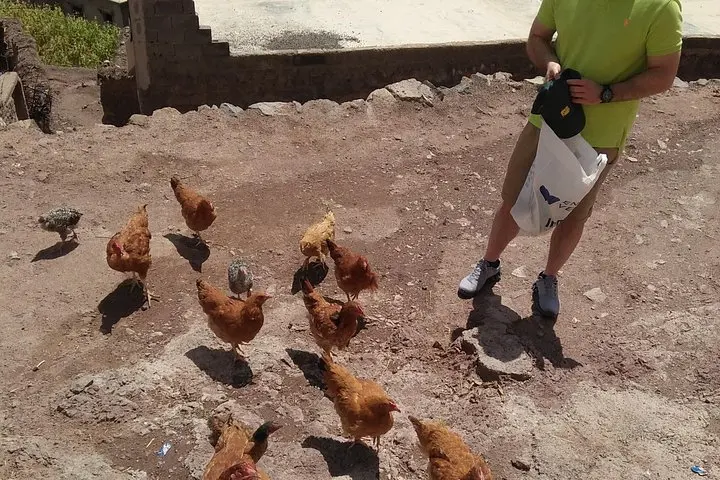
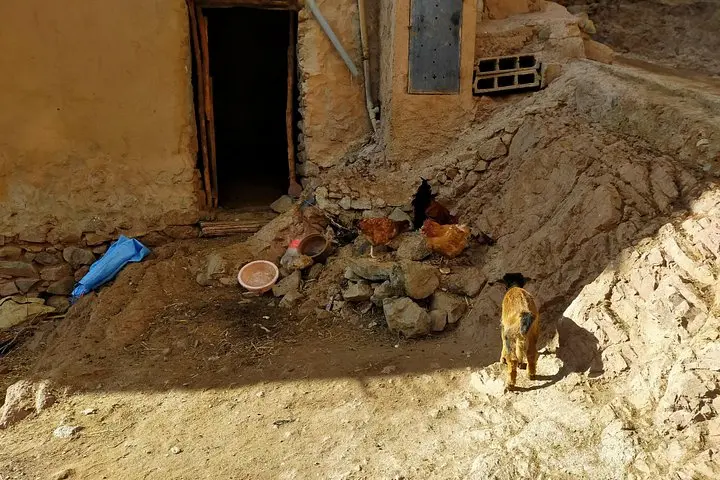
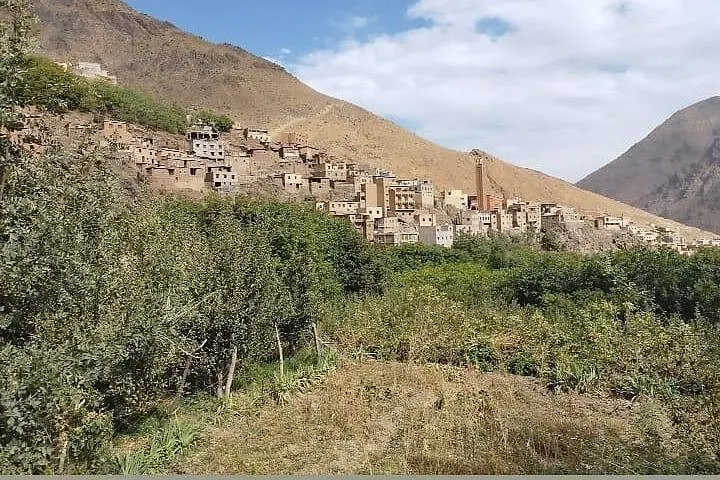
This route traces centuries of Amazigh (Berber) life—transhumant herds, terraced farming and mountain houses built from local stone. Geologically the High Atlas is young and rugged, granite bones uplifted by tectonic force and carved by seasonal torrents that form narrow valleys and small, sudden waterfalls. Cultural stops include a women’s cooperative where breakfast is shared and traditional techniques—olive pressing, wool weaving—are demonstrated.
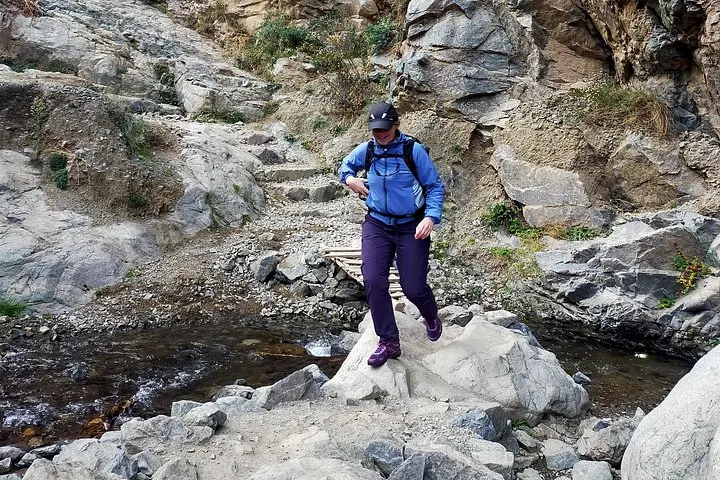
Expect short village hikes over uneven, rocky paths and a gentle waterfall approach through mixed scrub and cultivated plots. The camel segment offers a slow, signature way to cross lower slopes and feel the nomadic rhythm. Guides typically translate and narrate local history and customs, connecting natural features to human stories.
Practical guidance: start early to avoid midday heat, wear sturdy shoes with grip for uneven trails, and carry at least 1–2 liters of water. Respect private terraces and ask before photographing people. The trip is a full day—plan for an 8-hour window, light layers and cash for co-op purchases. This is a cultural-mountain day trip that pairs approachable walking with vivid mountain scenery and hands-on cultural exchange.
This is a full-day tour—expect about 8 hours including transport, camel ride, village stops and walks.
The camel segment is short and gentle, intended as an experience rather than a long ride; no prior riding skill required.
Breakfast at a women’s cooperative is included; bring cash for extra snacks, tea or cooperative purchases.
The tour is marketed as suitable for all fitness levels, but it involves uneven walking surfaces and camel mounting, so those with limited mobility should check specific accessibility with the operator.
Marrakech Atlas Day Tours operates guided outdoor trips and adventures with an emphasis on safety, stewardship, and memorable experiences.
The day opens on ochre streets and the slow churn of a desert-born caravan as you leave Marrakech and head for the foothills of the High Atlas. Dusty light slides across red-earth paths; a camel’s gait sets the pace as guides help you into traditional nomad clothing and the landscape stretches into terraces, stone villages and a thin ribbon of water daring you closer.
The day opens on ochre streets and the slow churn of a desert-born caravan as you leave Marrakech and head for the foothills of the High Atlas. Dusty light slides across red-earth paths; a camel’s gait sets the pace as guides help you into traditional nomad clothing and the landscape stretches into terraces, stone villages and a thin ribbon of water daring you closer.
This route traces centuries of Amazigh (Berber) life—transhumant herds, terraced farming and mountain houses built from local stone. Geologically the High Atlas is young and rugged, granite bones uplifted by tectonic force and carved by seasonal torrents that form narrow valleys and small, sudden waterfalls. Cultural stops include a women’s cooperative where breakfast is shared and traditional techniques—olive pressing, wool weaving—are demonstrated.
Expect short village hikes over uneven, rocky paths and a gentle waterfall approach through mixed scrub and cultivated plots. The camel segment offers a slow, signature way to cross lower slopes and feel the nomadic rhythm. Guides typically translate and narrate local history and customs, connecting natural features to human stories.
Practical guidance: start early to avoid midday heat, wear sturdy shoes with grip for uneven trails, and carry at least 1–2 liters of water. Respect private terraces and ask before photographing people. The trip is a full day—plan for an 8-hour window, light layers and cash for co-op purchases. This is a cultural-mountain day trip that pairs approachable walking with vivid mountain scenery and hands-on cultural exchange.