THE ADVENTURE COLLECTIVE® · Independent discovery and booking for outdoor travel

Leave Marrakech for a full‑day journey into the High Atlas where mule tracks, Berber tea and a camel ride give way to Imlil’s waterfalls and mountain ridgelines. This day trip blends cultural exchange with manageable walks at altitude.
Leave Marrakech for a full‑day journey into the High Atlas where mule tracks, Berber tea and a camel ride give way to Imlil’s waterfalls and mountain ridgelines. This day trip blends cultural exchange with manageable walks at altitude.
A cool wind from the High Atlas meets the city heat as the minivan climbs out of Marrakech; within an hour the urban dust gives way to terraces, stone tracks and roofs of sun-baked mud. The day begins with a camel ride at Rha Gorge—an oddly graceful pause where the animal and the slope conspire to slow time—before pushing higher toward Tachedirt and the narrow paths that lead into Imlil Valley.
Verified experiences and guided adventures in the surrounding area.
Operated by Atlas Morocco Tour · Marrakech, Marrakech-Safi
A cool wind from the High Atlas meets the city heat as the minivan climbs out of Marrakech; within an hour the urban dust gives way to terraces, stone tracks and roofs of sun-baked mud. The day begins with a camel ride at Rha Gorge—an oddly graceful pause where the animal and the slope conspire to slow time—before pushing higher toward Tachedirt and the narrow paths that lead into Imlil Valley.
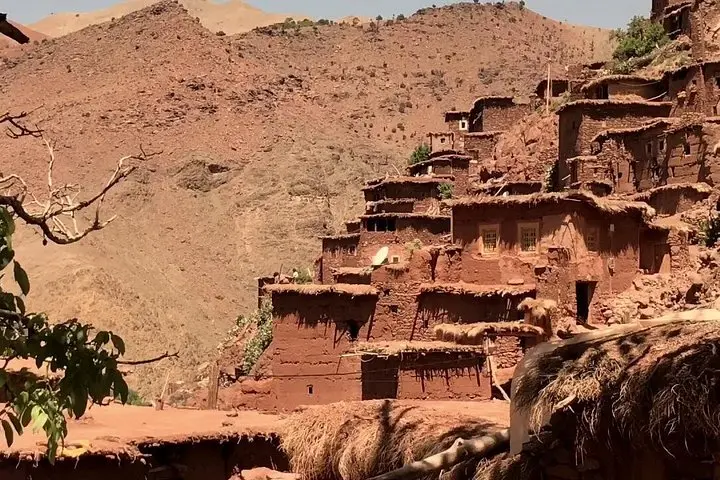
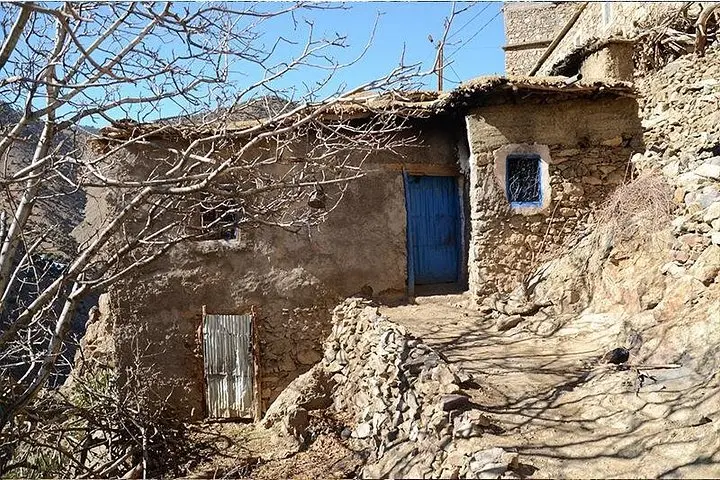
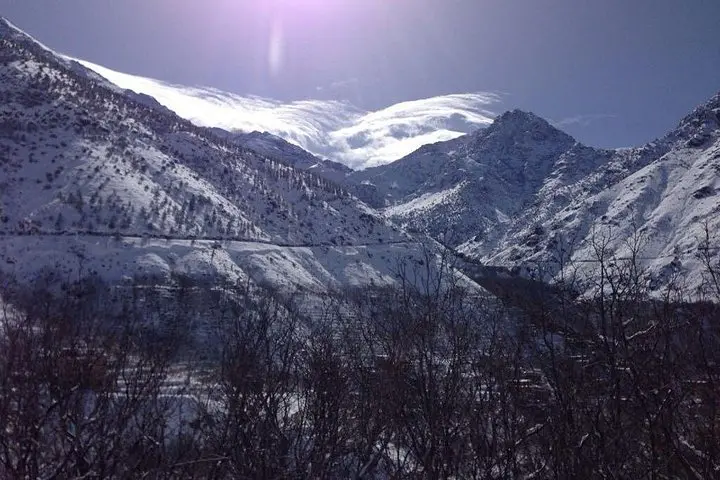
Geology here is raw: folded schist and volcanic intrusions carved by seasonal streams, with ridgelines that keep the snow long into spring. The Atlas has been home to Amazigh (Berber) communities for centuries; villages are built from local stone and pisé with roofs that collect arid sunlight. Guides point out ancestral irrigation terraces and the old mule tracks that still serve as the valley’s arteries.
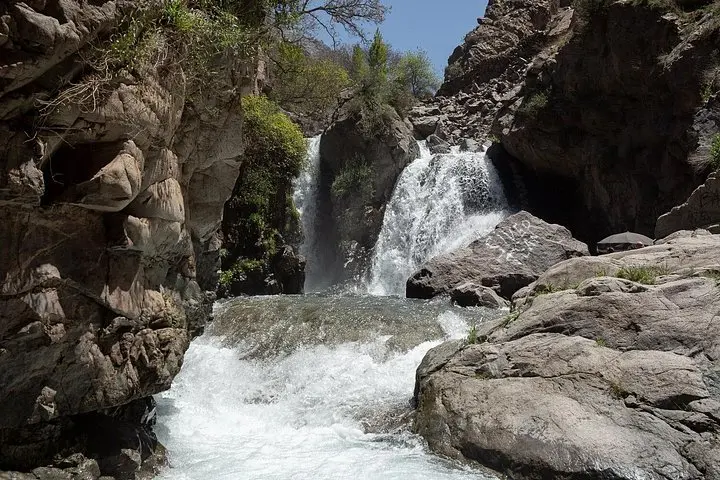
Expect close cultural encounters—tea in a family home, conversation about seasonal herding—and unhurried walks on well-worn trails. Highlights include a short waterfall walk in Toubkal National Park and sweeping views over Imnan Valley.
Practical edge: this is a full, 8-hour day with short hikes and optional mule rides—bring layered clothing for 1,500–2,300 m altitudes, sun protection, and at least 1.5 L of water. Footwear should be grippy for rocky village paths. The itinerary is suitable for most fitness levels, but altitude and loose terrain make steady footing essential. Aim to leave early from Marrakech to avoid midday heat in the lowlands and to get clearer light for photography on the high ridges.
Yes; the camel ride is a short, guided experience on gentle terrain and staff assist mounting and dismounting.
Pickup from central Marrakech hotels is included; confirm your pickup point when booking.
Most of the day stays below 2,300 m and symptoms are uncommon, but drink water, eat and move at a comfortable pace—consult a doctor if you have cardiovascular concerns.
Families are welcome; the itinerary notes stroller access and infant seats, though walking sections may be substituted with mules for younger children.
Atlas Morocco Tour operates guided outdoor trips and adventures with an emphasis on safety, stewardship, and memorable experiences.
A cool wind from the High Atlas meets the city heat as the minivan climbs out of Marrakech; within an hour the urban dust gives way to terraces, stone tracks and roofs of sun-baked mud. The day begins with a camel ride at Rha Gorge—an oddly graceful pause where the animal and the slope conspire to slow time—before pushing higher toward Tachedirt and the narrow paths that lead into Imlil Valley.
A cool wind from the High Atlas meets the city heat as the minivan climbs out of Marrakech; within an hour the urban dust gives way to terraces, stone tracks and roofs of sun-baked mud. The day begins with a camel ride at Rha Gorge—an oddly graceful pause where the animal and the slope conspire to slow time—before pushing higher toward Tachedirt and the narrow paths that lead into Imlil Valley.
Geology here is raw: folded schist and volcanic intrusions carved by seasonal streams, with ridgelines that keep the snow long into spring. The Atlas has been home to Amazigh (Berber) communities for centuries; villages are built from local stone and pisé with roofs that collect arid sunlight. Guides point out ancestral irrigation terraces and the old mule tracks that still serve as the valley’s arteries.
Expect close cultural encounters—tea in a family home, conversation about seasonal herding—and unhurried walks on well-worn trails. Highlights include a short waterfall walk in Toubkal National Park and sweeping views over Imnan Valley.
Practical edge: this is a full, 8-hour day with short hikes and optional mule rides—bring layered clothing for 1,500–2,300 m altitudes, sun protection, and at least 1.5 L of water. Footwear should be grippy for rocky village paths. The itinerary is suitable for most fitness levels, but altitude and loose terrain make steady footing essential. Aim to leave early from Marrakech to avoid midday heat in the lowlands and to get clearer light for photography on the high ridges.