THE ADVENTURE COLLECTIVE® · Independent discovery and booking for outdoor travel

Spend a full day from Marrakech exploring four Atlas valleys, visiting Berber villages, riding a camel, hiking to waterfalls, and sharing a wood-fired lunch in a family home. Practical, guided, and rich in mountain culture, this trip packs terrain and local insight into one accessible day.
Spend a full day from Marrakech exploring four Atlas valleys, visiting Berber villages, riding a camel, hiking to waterfalls, and sharing a wood-fired lunch in a family home. Practical, guided, and rich in mountain culture, this trip packs terrain and local insight into one accessible day.
You leave Marrakech before the heat gathers, the city shrinking behind olive groves and almond orchards as the road climbs into the High Atlas.
Verified experiences and guided adventures in the surrounding area.
Operated by Atlas Mountains View · Marrakech, Marrakech-Safi
You leave Marrakech before the heat gathers, the city shrinking behind olive groves and almond orchards as the road climbs into the High Atlas.
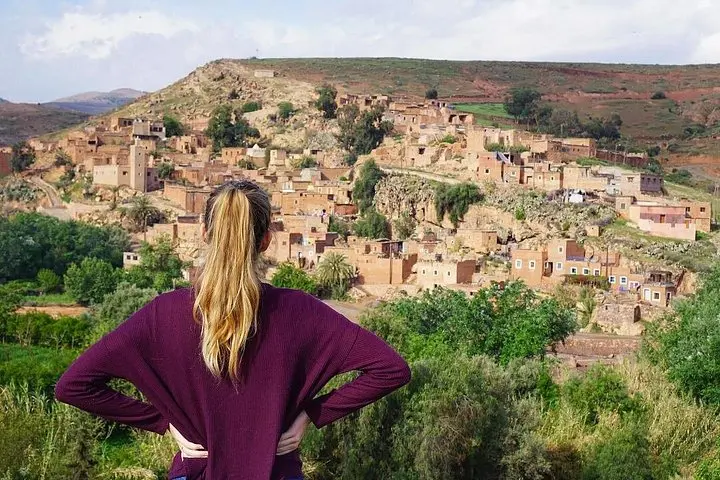
The air sharpens at Moulay Brahim Gorges; a narrow riverside trail becomes the stage for a short camel ride that feels oddly cinematic against rust-red cliffs. Later, the Imlil Valley opens—stepped terraces, stone houses, and a ribbon of paths that locals still use to trade and tend fields.
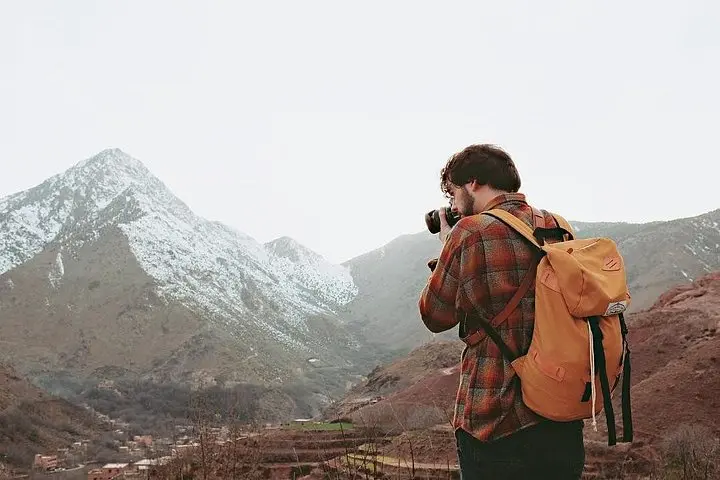
Geology here is visible: folded schist and volcanic deposits carved by seasonal torrents, and at the higher villages the landscape takes on a rough, glaciated profile from ancient ice. Culture is immediate—Berber hospitality is practical and warm: mint tea offered in small glasses, mules as transport, and wood-fired tagine cooked where the views sweep over terraced slopes.
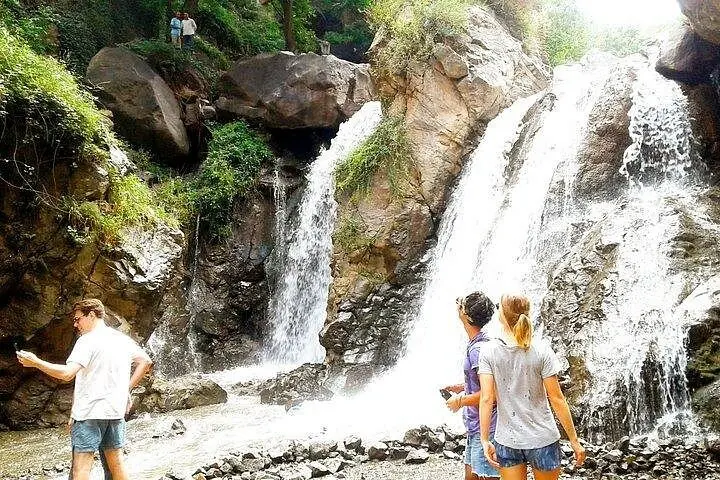
Expect a mix of gentle walking and guided transfers. A mule or short hike of around 3 kilometers gains steady vantage points; a two-hour hike toward Ait Souka threads past hamlets and agricultural plots. Azroul waterfalls are cool and sudden after the dusty track.
Practical guidance: wear sturdy shoes, layer for temperature swings, and carry a refillable water bottle—the guide supplies bottled water but refill opportunities are limited. Bring cash for small purchases and tips. If you’re sensitive to altitude, take it easy on steep sections and let a mule do the carrying when offered.
This day trip is hands-on cultural travel—part landscape, part living tradition—best timed for mornings and late afternoons when light reveals the mountains’ contours and the villages feel most alive.
No—most walking is on well-used village paths; the tour is suitable for average fitness levels, and mules are available for steeper sections.
Local guides typically speak English, French, and Arabic; they’ll provide cultural context and translation during village visits.
Lunch is prepared in a Berber home with traditional dishes—notify the operator of allergies or preferences ahead of time to allow accommodations.
Camel rides at the gorges are short and scenic; the mule segment to the higher Imlil village covers about 3 kilometers and is paced for comfort.
Atlas Mountains View operates guided outdoor trips and adventures with an emphasis on safety, stewardship, and memorable experiences.
You leave Marrakech before the heat gathers, the city shrinking behind olive groves and almond orchards as the road climbs into the High Atlas.
You leave Marrakech before the heat gathers, the city shrinking behind olive groves and almond orchards as the road climbs into the High Atlas.
The air sharpens at Moulay Brahim Gorges; a narrow riverside trail becomes the stage for a short camel ride that feels oddly cinematic against rust-red cliffs. Later, the Imlil Valley opens—stepped terraces, stone houses, and a ribbon of paths that locals still use to trade and tend fields.
Geology here is visible: folded schist and volcanic deposits carved by seasonal torrents, and at the higher villages the landscape takes on a rough, glaciated profile from ancient ice. Culture is immediate—Berber hospitality is practical and warm: mint tea offered in small glasses, mules as transport, and wood-fired tagine cooked where the views sweep over terraced slopes.
Expect a mix of gentle walking and guided transfers. A mule or short hike of around 3 kilometers gains steady vantage points; a two-hour hike toward Ait Souka threads past hamlets and agricultural plots. Azroul waterfalls are cool and sudden after the dusty track.
Practical guidance: wear sturdy shoes, layer for temperature swings, and carry a refillable water bottle—the guide supplies bottled water but refill opportunities are limited. Bring cash for small purchases and tips. If you’re sensitive to altitude, take it easy on steep sections and let a mule do the carrying when offered.
This day trip is hands-on cultural travel—part landscape, part living tradition—best timed for mornings and late afternoons when light reveals the mountains’ contours and the villages feel most alive.