THE ADVENTURE COLLECTIVE® · Independent discovery and booking for outdoor travel

Escape Marrakech for a full-day journey into the High Atlas: a short camel ride, an Imlil valley hike, waterfalls, and a home-cooked Berber lunch. This practical guide outlines what to expect on terrain, culture, and how to prepare.
Escape Marrakech for a full-day journey into the High Atlas: a short camel ride, an Imlil valley hike, waterfalls, and a home-cooked Berber lunch. This practical guide outlines what to expect on terrain, culture, and how to prepare.
A thin morning light slants across ochre roofs as the van pulls away from Marrakech; within an hour the city’s hum is reduced to the occasional bell and the wind begins to push cooler air down from high ridgelines. By midmorning you stand at the lip of the High Atlas, the valley opening below, camels shifting their weight like slow ships as you climb into the saddle for a short, photo-ready ride.
Verified experiences and guided adventures in the surrounding area.
Operated by Fun Day trips from Marrakech. · Imlil, Marrakesh-Safi
A thin morning light slants across ochre roofs as the van pulls away from Marrakech; within an hour the city’s hum is reduced to the occasional bell and the wind begins to push cooler air down from high ridgelines. By midmorning you stand at the lip of the High Atlas, the valley opening below, camels shifting their weight like slow ships as you climb into the saddle for a short, photo-ready ride.
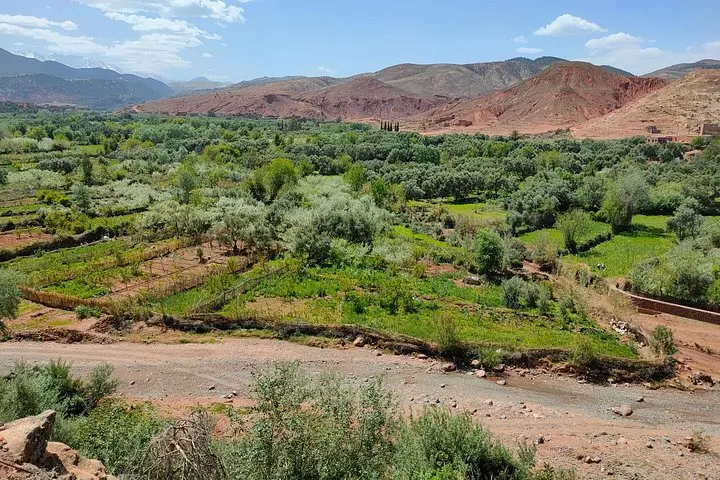
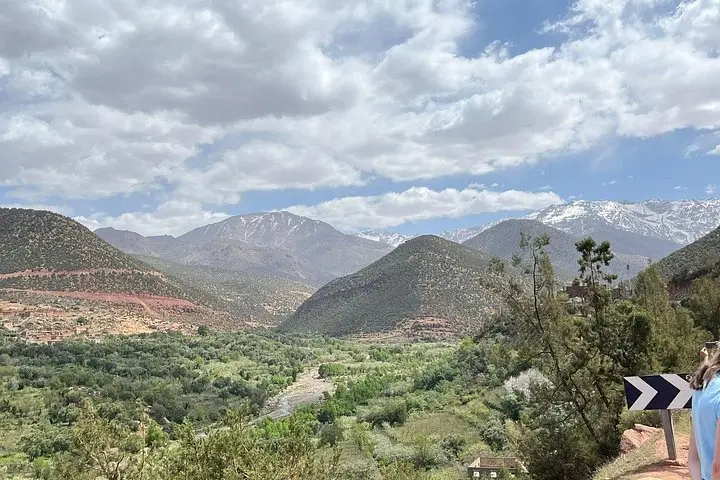
The High Atlas is both recent and ancient—geologically young folds of limestone and volcanic rock pushed up by the African-Eurasian collision, carved into terraced fields and gullied ravines. The human story here is older than modern maps: Amazigh (Berber) communities have farmed these slopes for centuries, trading salt and textiles and keeping distinct language and crafting traditions alive in stone houses and cooperative kitchens.
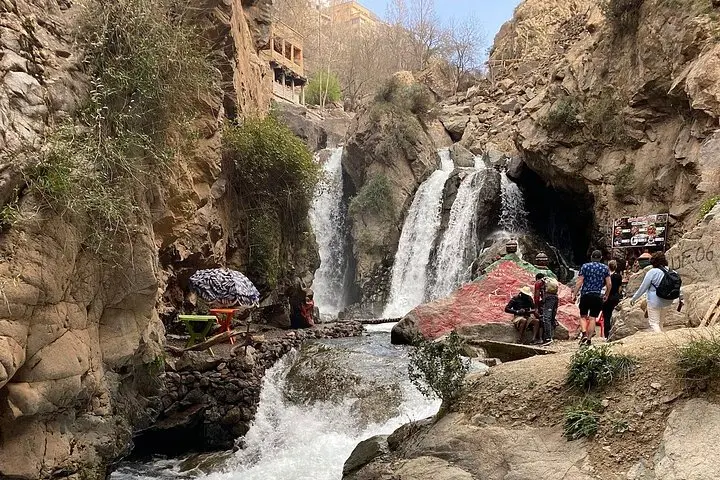
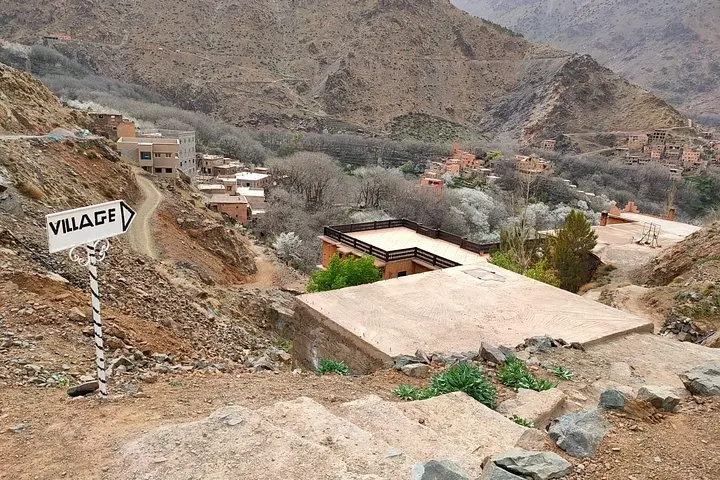
On this day tour you’ll hike a well-trod Imlil valley route to a waterfall and village viewpoints, learn about local life over mint tea, and eat a home-cooked tagine in a Berber house. Expect mixed terrain: dirt tracks, stone steps and short steeper pitches to viewpoints around 1,700–1,800 m.
Practical edge: wear broken-in hiking shoes, bring at least 1.5 L water, and layer—a sharp sun can flip to chilly gusts at higher elevations. Pack small cash for market stalls and tipping; follow your guide’s lead when visiting private homes. Start early to avoid heat and to catch the clearest views; remember that the trail’s beauty is in its people as much as its peaks.
The camel segment is short—about 10–15 minutes—designed for photos and a light cultural experience rather than long treks.
Yes; trails are well-used with moderate hills and short steeper sections, but participants should be able to handle several hours of walking on uneven ground.
Lunch (home-cooked Berber meal) and bottled water are included; bring snacks if you want extra between stops.
Tipping is customary—small amounts for drivers, guides, and the family who cooks the meal are appreciated and go directly to local communities.
Fun Day trips from Marrakech. operates guided outdoor trips and adventures with an emphasis on safety, stewardship, and memorable experiences.
A thin morning light slants across ochre roofs as the van pulls away from Marrakech; within an hour the city’s hum is reduced to the occasional bell and the wind begins to push cooler air down from high ridgelines. By midmorning you stand at the lip of the High Atlas, the valley opening below, camels shifting their weight like slow ships as you climb into the saddle for a short, photo-ready ride.
A thin morning light slants across ochre roofs as the van pulls away from Marrakech; within an hour the city’s hum is reduced to the occasional bell and the wind begins to push cooler air down from high ridgelines. By midmorning you stand at the lip of the High Atlas, the valley opening below, camels shifting their weight like slow ships as you climb into the saddle for a short, photo-ready ride.
The High Atlas is both recent and ancient—geologically young folds of limestone and volcanic rock pushed up by the African-Eurasian collision, carved into terraced fields and gullied ravines. The human story here is older than modern maps: Amazigh (Berber) communities have farmed these slopes for centuries, trading salt and textiles and keeping distinct language and crafting traditions alive in stone houses and cooperative kitchens.
On this day tour you’ll hike a well-trod Imlil valley route to a waterfall and village viewpoints, learn about local life over mint tea, and eat a home-cooked tagine in a Berber house. Expect mixed terrain: dirt tracks, stone steps and short steeper pitches to viewpoints around 1,700–1,800 m.
Practical edge: wear broken-in hiking shoes, bring at least 1.5 L water, and layer—a sharp sun can flip to chilly gusts at higher elevations. Pack small cash for market stalls and tipping; follow your guide’s lead when visiting private homes. Start early to avoid heat and to catch the clearest views; remember that the trail’s beauty is in its people as much as its peaks.