THE ADVENTURE COLLECTIVE® · Independent discovery and booking for outdoor travel

A full-day escape from Marrakech into the High Atlas that pairs a 2–3 hour guided valley walk, a camel ride across Asni river flats and a traditional Berber lunch in a family home. Expect scenic drives, juniper forests and a local souk on market days.
A full-day escape from Marrakech into the High Atlas that pairs a 2–3 hour guided valley walk, a camel ride across Asni river flats and a traditional Berber lunch in a family home. Expect scenic drives, juniper forests and a local souk on market days.
Morning light lifts off Marrakech and the road tightens into the High Atlas—rock faces shading into green folds, a river daring you to follow it upstream. The van drops travelers at Asni, where juniper-scented slopes and terraced fields frame a walk through Berber villages; the camel waits nearby like a patient ship ready to cross the valley floor.
Verified experiences and guided adventures in the surrounding area.
Operated by Atlas Mountains Day Trip · Marrakech, Marrakech-Safi
Morning light lifts off Marrakech and the road tightens into the High Atlas—rock faces shading into green folds, a river daring you to follow it upstream. The van drops travelers at Asni, where juniper-scented slopes and terraced fields frame a walk through Berber villages; the camel waits nearby like a patient ship ready to cross the valley floor.
These valleys—Ourika, Asni, Sidi Fars and the approach to Oukaimeden—are carved from uplifted schist and limestone, with streams fed by winter snows that pushed the mountains upward millennia ago. The area is a living Amazigh landscape: stone houses, flat-roofed terraces and weekly souks that still mark rhythms of trade and social life. Guides explain local traditions over mint tea; in some villages, women keep age-old weaving and cooking techniques alive.
Practicalities: expect a 6–7 hour day that mixes short drives, a 2–3 hour guided walk on uneven trails and an optional mule ride. Terrain ranges from riverside sand to stony footpaths and gentle ascents; elevation around 1,000–1,800 m means cooler air than Marrakech but no technical climbing. Your itinerary usually includes hotel pickup, an air-conditioned vehicle, bottled water, a Berber family lunch and entrance fees.
Prepare with sturdy shoes, sun protection and layered clothing; start early to avoid midday heat and allow time at the village souk on market days (Tuesdays and Saturdays). Respect private homes, accept mint tea invitations and tip guides and hosts fairly—these exchanges sustain the culture you’ve come to see.
Yes—most departures include pickup and return to riads or hotels in Marrakech; confirm your pickup point when booking.
Yes—families are welcome; camel or mule rides are available and guides will advise on safety, but supervising adults should assess comfort for young children.
The traditional Berber lunch can usually be adapted for common dietary needs—inform the operator ahead of time so the host family can prepare alternatives.
The trip stays between roughly 1,000–1,800 meters with walking on well-marked but uneven trails; it’s not technical but involves moderate ascents and some rocky sections.
Atlas Mountains Day Trip operates guided outdoor trips and adventures with an emphasis on safety, stewardship, and memorable experiences.
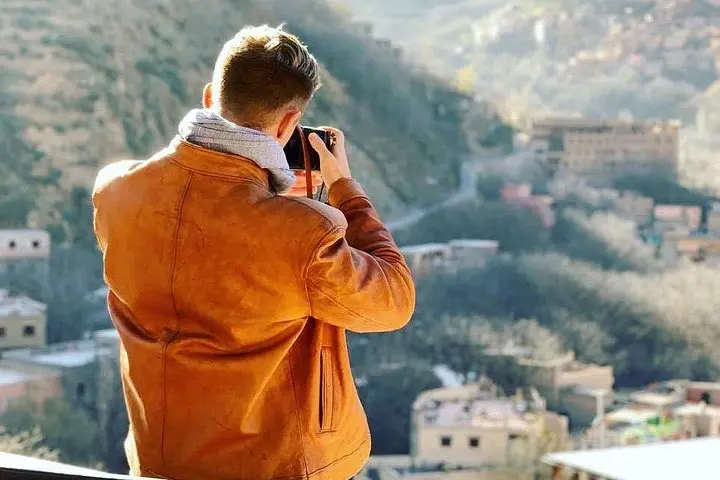
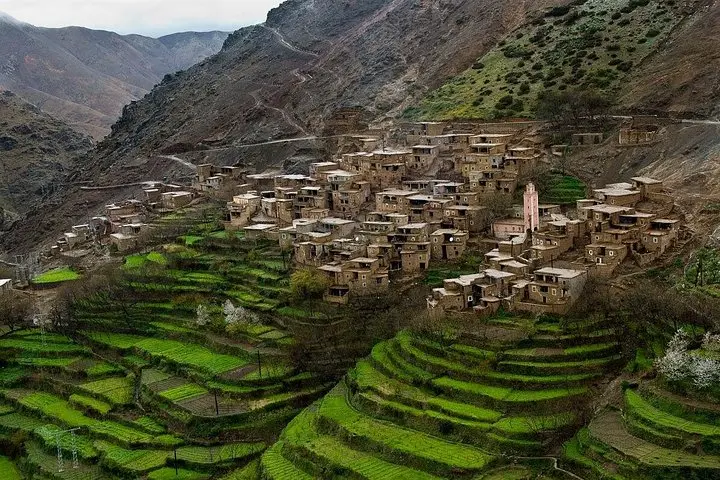
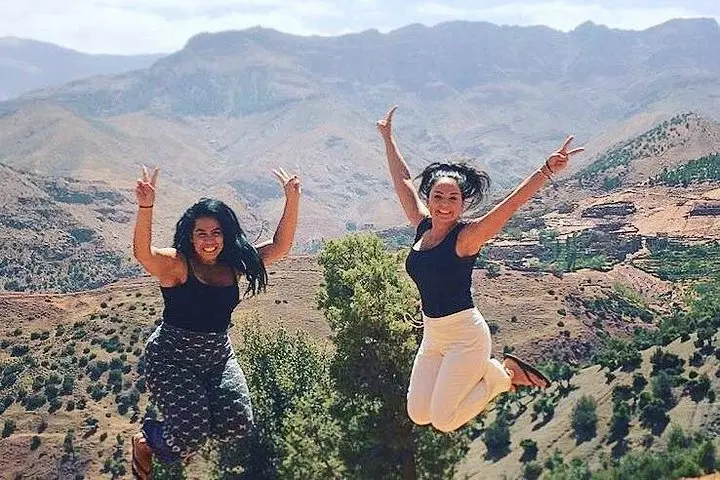

Morning light lifts off Marrakech and the road tightens into the High Atlas—rock faces shading into green folds, a river daring you to follow it upstream. The van drops travelers at Asni, where juniper-scented slopes and terraced fields frame a walk through Berber villages; the camel waits nearby like a patient ship ready to cross the valley floor.
Morning light lifts off Marrakech and the road tightens into the High Atlas—rock faces shading into green folds, a river daring you to follow it upstream. The van drops travelers at Asni, where juniper-scented slopes and terraced fields frame a walk through Berber villages; the camel waits nearby like a patient ship ready to cross the valley floor.
These valleys—Ourika, Asni, Sidi Fars and the approach to Oukaimeden—are carved from uplifted schist and limestone, with streams fed by winter snows that pushed the mountains upward millennia ago. The area is a living Amazigh landscape: stone houses, flat-roofed terraces and weekly souks that still mark rhythms of trade and social life. Guides explain local traditions over mint tea; in some villages, women keep age-old weaving and cooking techniques alive.
Practicalities: expect a 6–7 hour day that mixes short drives, a 2–3 hour guided walk on uneven trails and an optional mule ride. Terrain ranges from riverside sand to stony footpaths and gentle ascents; elevation around 1,000–1,800 m means cooler air than Marrakech but no technical climbing. Your itinerary usually includes hotel pickup, an air-conditioned vehicle, bottled water, a Berber family lunch and entrance fees.
Prepare with sturdy shoes, sun protection and layered clothing; start early to avoid midday heat and allow time at the village souk on market days (Tuesdays and Saturdays). Respect private homes, accept mint tea invitations and tip guides and hosts fairly—these exchanges sustain the culture you’ve come to see.