THE ADVENTURE COLLECTIVE® · Independent discovery and booking for outdoor travel

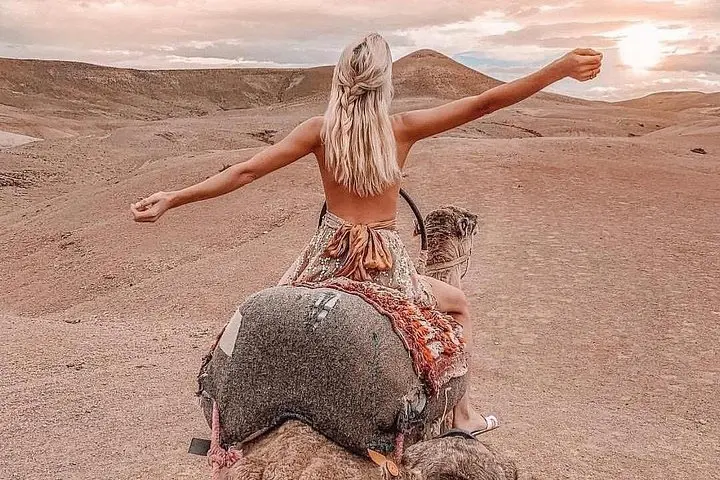
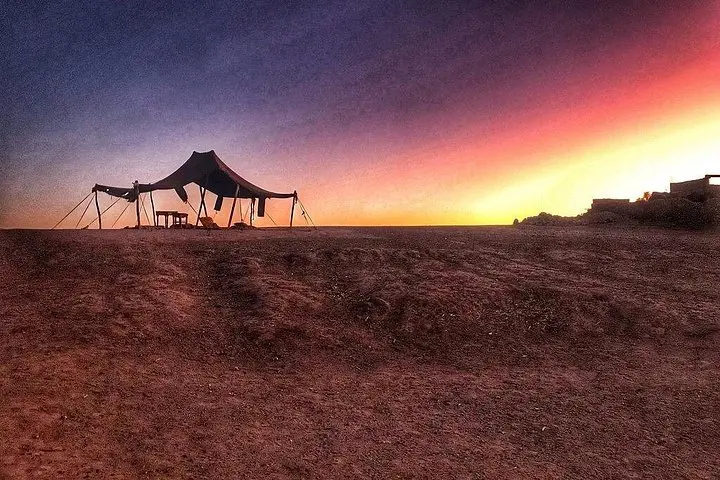
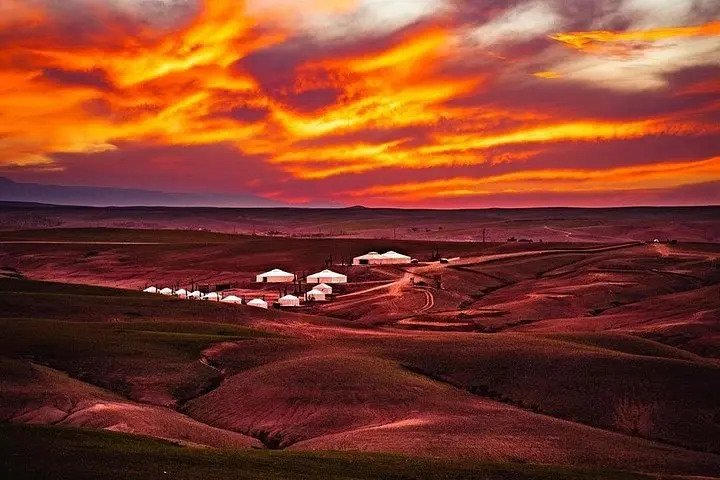
Spend a full day leaving Marrakech for the Agafay Desert and High Atlas—camel ride on the plateau, tea with a Berber family, and lunch in Tinirt. Expect a seven-hour loop of rugged scenery, short village walks and strong cultural moments.
Spend a full day leaving Marrakech for the Agafay Desert and High Atlas—camel ride on the plateau, tea with a Berber family, and lunch in Tinirt. Expect a seven-hour loop of rugged scenery, short village walks and strong cultural moments.
The van peels away from Marrakech at first light, the city’s ochre walls shrinking while the road threads toward stone-colored ridges and sudden green terraces.
Verified experiences and guided adventures in the surrounding area.
Operated by Trips From Marrakech · Marrakech, Marrakech-Safi
The van peels away from Marrakech at first light, the city’s ochre walls shrinking while the road threads toward stone-colored ridges and sudden green terraces.
Within an hour you cross the Kik Plateau and then descend toward Imlil, a low-lying village that serves as a gateway to the High Atlas. Granite slopes and scrubby foothills give way to villages built along seasonal streams; on this route the landscape alternates between open plains, terraced fields and short, rocky canyons. Local guides point out mud-brick houses, a working cooperative where tea is shared, and the quiet courtyards where goats and mules supply daily life.
Geologically the High Atlas are young, uplifted mountains—faulted granite and schist shaped by the African–Eurasian collision—so expect steep gullies and scattered scree on short walks. Culturally the area is Amazigh (Berber): language, crafts and hospitality are central, and a home-cooked lunch in Tinirt offers an honest introduction to regional food and rhythms.
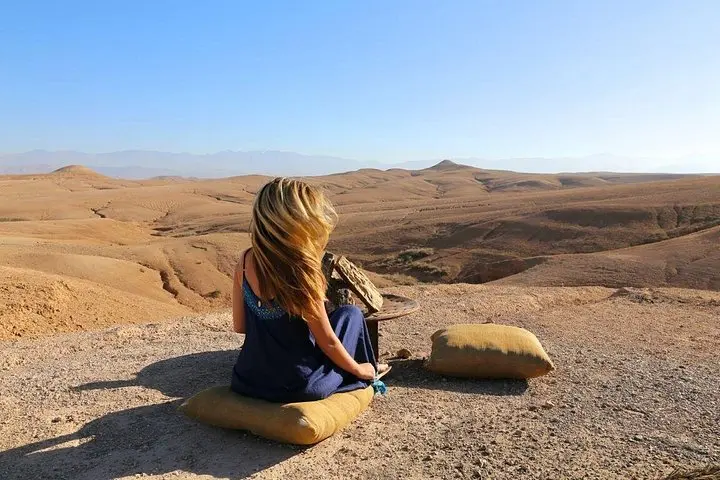
Practically, this is a full 7-hour day with an air-conditioned vehicle, a 30-minute camel ride and short guided strolls at village stops. Bring sun protection, a filled water bottle and a camera with extra battery. If you have back or heart issues, the camel ride and bumpy roads may be uncomfortable. Aim to travel light, keep cash for local purchases and arrive ready for variable surface conditions: paved highways, dusty tracks and beaten village lanes. The reward is straightforward—broad desert views, mountain air and close encounters with everyday mountain life.
Pickup from central Marrakech hotels is included; exact pickup time is confirmed after booking (usually between 8:30–9:00am).
Yes—rides are short (about 30 minutes) and guided, but those with severe back or neck problems should avoid it due to animal movement and mounting/dismounting.
Lunch is a traditional Berber meal; operators usually accommodate common dietary requests if notified in advance at booking.
Basic facilities are available at village stops and the cooperative; expect simple, sometimes outdoor or squat-style restrooms in rural areas.
Trips From Marrakech operates guided outdoor trips and adventures with an emphasis on safety, stewardship, and memorable experiences.
The van peels away from Marrakech at first light, the city’s ochre walls shrinking while the road threads toward stone-colored ridges and sudden green terraces.
The van peels away from Marrakech at first light, the city’s ochre walls shrinking while the road threads toward stone-colored ridges and sudden green terraces.
Within an hour you cross the Kik Plateau and then descend toward Imlil, a low-lying village that serves as a gateway to the High Atlas. Granite slopes and scrubby foothills give way to villages built along seasonal streams; on this route the landscape alternates between open plains, terraced fields and short, rocky canyons. Local guides point out mud-brick houses, a working cooperative where tea is shared, and the quiet courtyards where goats and mules supply daily life.
Geologically the High Atlas are young, uplifted mountains—faulted granite and schist shaped by the African–Eurasian collision—so expect steep gullies and scattered scree on short walks. Culturally the area is Amazigh (Berber): language, crafts and hospitality are central, and a home-cooked lunch in Tinirt offers an honest introduction to regional food and rhythms.
Practically, this is a full 7-hour day with an air-conditioned vehicle, a 30-minute camel ride and short guided strolls at village stops. Bring sun protection, a filled water bottle and a camera with extra battery. If you have back or heart issues, the camel ride and bumpy roads may be uncomfortable. Aim to travel light, keep cash for local purchases and arrive ready for variable surface conditions: paved highways, dusty tracks and beaten village lanes. The reward is straightforward—broad desert views, mountain air and close encounters with everyday mountain life.