THE ADVENTURE COLLECTIVE® · Independent discovery and booking for outdoor travel

Swap Marrakech’s medina for the stony slopes of the High Atlas—trek village paths, meet Berber hosts over mint tea, and finish with a gentle camel ride through mountain foothills. This day trip blends short hikes, culture, and easy adventure in a single outing.
Swap Marrakech’s medina for the stony slopes of the High Atlas—trek village paths, meet Berber hosts over mint tea, and finish with a gentle camel ride through mountain foothills. This day trip blends short hikes, culture, and easy adventure in a single outing.
Morning light strips the ochre city away as the minivan climbs toward the High Atlas. By the time you reach Imlil the air has sharpened and terraces step down the hills like old stone books. A local guide pours mint tea, and the day settles into two clear halves: a short guided trek through Berber villages and irrigated fields, then a half-hour camel ride across the foothills and gorges on the return.
Verified experiences and guided adventures in the surrounding area.
Operated by Marrakech Tours · Imlil, Marrakesh-Safi
Morning light strips the ochre city away as the minivan climbs toward the High Atlas. By the time you reach Imlil the air has sharpened and terraces step down the hills like old stone books. A local guide pours mint tea, and the day settles into two clear halves: a short guided trek through Berber villages and irrigated fields, then a half-hour camel ride across the foothills and gorges on the return.
The Atlas range is young in geological terms—uplifted by African-Eurasian plate interactions—and its valleys hold millennia of Berber habitation. Terraced barley, cherry and walnut trees speak to irrigation practices that predate modern Morocco. Stops often include an Argan co‑op near Tahnaout where women press oil by hand and a shared meal in a family house in Ait Souka provides cultural context alongside tagine and hospitality.
Expect compact mountain walking rather than technical climbing: trails are dirt and rock with short steeps, typical treks of 2–6 km and up to ~400 m cumulative ascent depending on route choice. Footwear with good tread, layered clothing for temperature swings, and 1–2 liters of water are practical necessities. The camel ride is largely flat and introductory—more photo opportunity than endurance test—while driving time from Marrakech is roughly 1–1.5 hours each way.
Timing matters: start early to avoid heat and to catch clearer mountain views. Bring cash for co‑op purchases and tips, and allow extra time for market stops if you visit on a Saturday or Tuesday when village souks run.
The advertised camel ride is approximately 20–30 minutes and follows mostly flat foothill terrain, suitable for beginners.
Trekking segments are short and on non-technical trails; expect uneven ground and occasional steep pitches but no technical climbing.
Yes—bring Moroccan dirhams for purchases at argan co‑ops, market stalls, and for tipping hosts and guides.
Yes if they can manage short walks; the itinerary notes suitability for various fitness levels but it’s not recommended for people with serious back or heart problems.
Marrakech Tours operates guided outdoor trips and adventures with an emphasis on safety, stewardship, and memorable experiences.
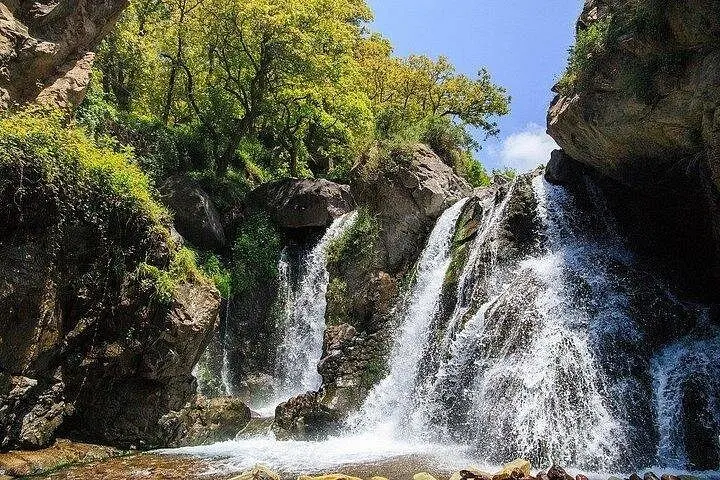
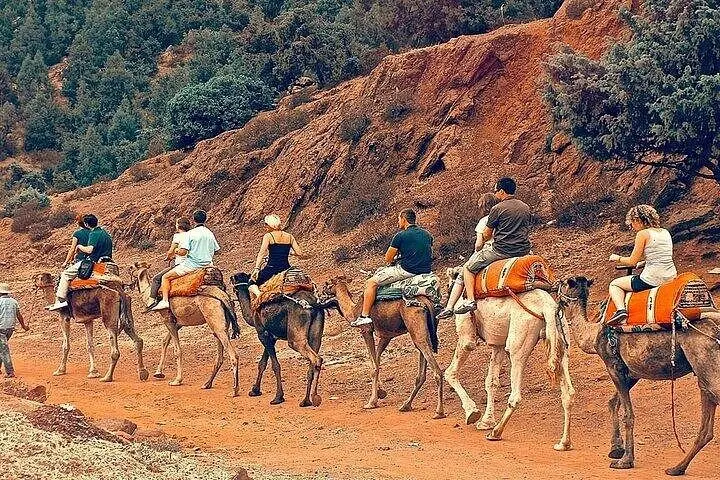
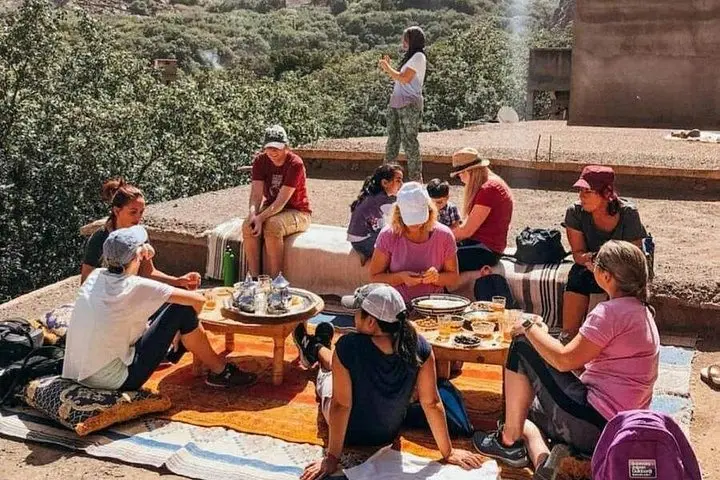
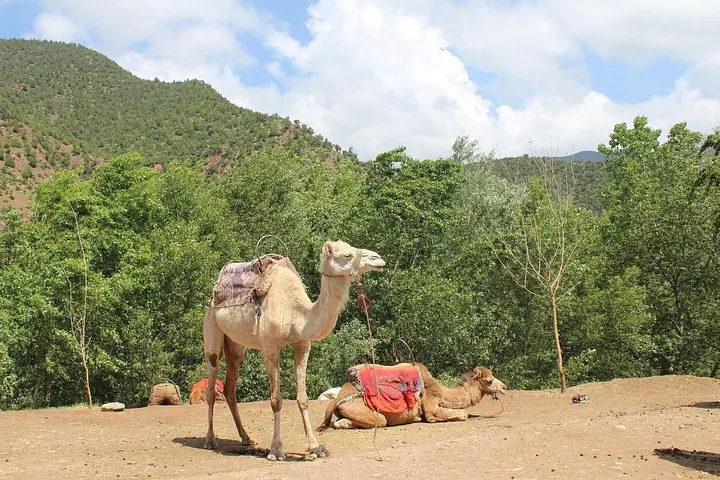
Morning light strips the ochre city away as the minivan climbs toward the High Atlas. By the time you reach Imlil the air has sharpened and terraces step down the hills like old stone books. A local guide pours mint tea, and the day settles into two clear halves: a short guided trek through Berber villages and irrigated fields, then a half-hour camel ride across the foothills and gorges on the return.
Morning light strips the ochre city away as the minivan climbs toward the High Atlas. By the time you reach Imlil the air has sharpened and terraces step down the hills like old stone books. A local guide pours mint tea, and the day settles into two clear halves: a short guided trek through Berber villages and irrigated fields, then a half-hour camel ride across the foothills and gorges on the return.
The Atlas range is young in geological terms—uplifted by African-Eurasian plate interactions—and its valleys hold millennia of Berber habitation. Terraced barley, cherry and walnut trees speak to irrigation practices that predate modern Morocco. Stops often include an Argan co‑op near Tahnaout where women press oil by hand and a shared meal in a family house in Ait Souka provides cultural context alongside tagine and hospitality.
Expect compact mountain walking rather than technical climbing: trails are dirt and rock with short steeps, typical treks of 2–6 km and up to ~400 m cumulative ascent depending on route choice. Footwear with good tread, layered clothing for temperature swings, and 1–2 liters of water are practical necessities. The camel ride is largely flat and introductory—more photo opportunity than endurance test—while driving time from Marrakech is roughly 1–1.5 hours each way.
Timing matters: start early to avoid heat and to catch clearer mountain views. Bring cash for co‑op purchases and tips, and allow extra time for market stops if you visit on a Saturday or Tuesday when village souks run.