THE ADVENTURE COLLECTIVE® · Independent discovery and booking for outdoor travel

Spend a full day exploring the High Atlas from Marrakech: rolling orchards, a short camel ride, tea in Imlil, and a hike to the isolated village of Ait Souka with a family meal. This guided trip combines cultural visits and accessible mountain walking with views of North Africa's highest peak.
Spend a full day exploring the High Atlas from Marrakech: rolling orchards, a short camel ride, tea in Imlil, and a hike to the isolated village of Ait Souka with a family meal. This guided trip combines cultural visits and accessible mountain walking with views of North Africa's highest peak.
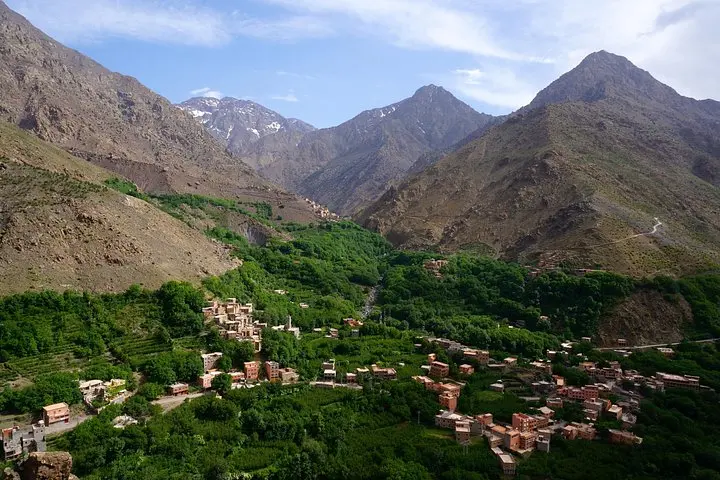
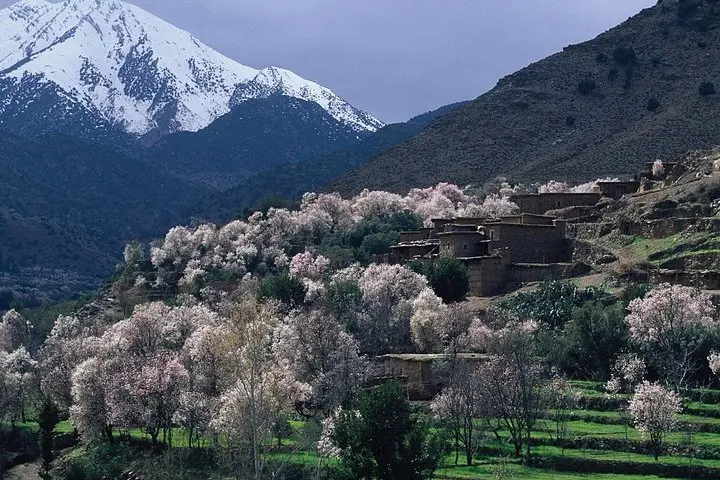
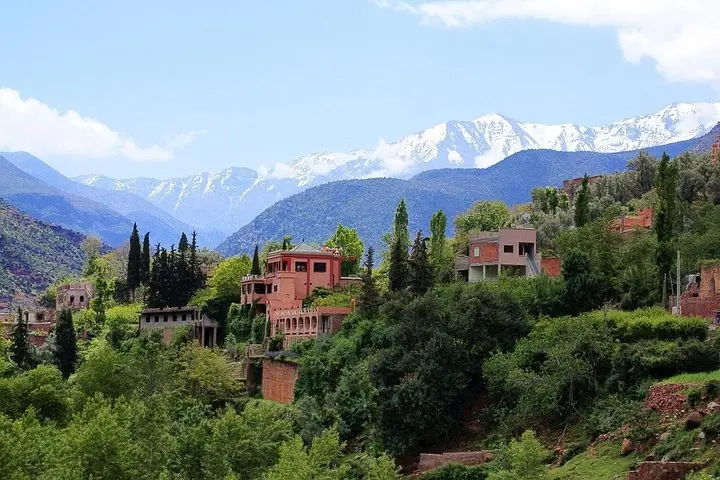
A thin mountain light breaks over the High Atlas as the minivan winds out of Marrakech, olive groves giving way to stepped orchards and stone houses. Within an hour the air feels sharper; the road opens to the Imlil Valley, where terraces climb like stairs and Mount Toubkal pins the horizon. The day moves in deliberate stages: a short camel ride through a broad gorge, tea in a local home, and a steady walk up to Ait Souka where a Berber family often prepares a shared lunch.
Verified experiences and guided adventures in the surrounding area.
Operated by TargaTravel · Marrakech, Marrakesh-Safi
A thin mountain light breaks over the High Atlas as the minivan winds out of Marrakech, olive groves giving way to stepped orchards and stone houses. Within an hour the air feels sharper; the road opens to the Imlil Valley, where terraces climb like stairs and Mount Toubkal pins the horizon. The day moves in deliberate stages: a short camel ride through a broad gorge, tea in a local home, and a steady walk up to Ait Souka where a Berber family often prepares a shared lunch.
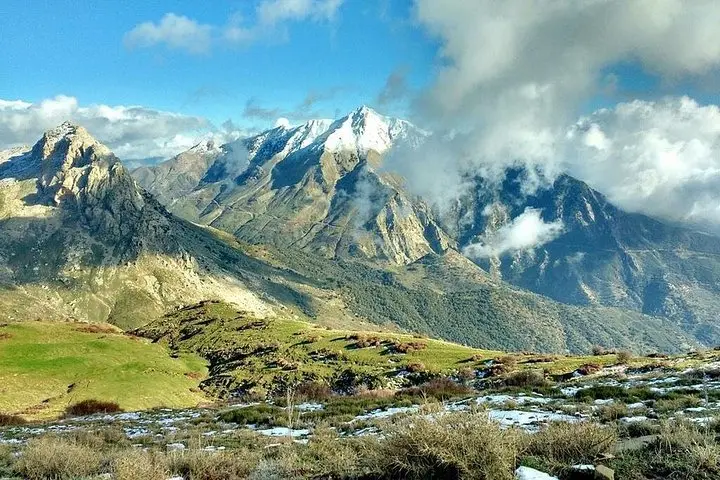
Geology here is raw — folded volcanic and metamorphic rocks carved by winter torrents — and the valley is shaped by centuries of terrace farming that keeps water high on the slopes. Culturally, the area is Amazigh country: language, dress, and communal hospitality reflect a mountain way of life that predates modern Marrakech.
Expect 6–8 hours out door-to-door, easy-to-moderate walking on dirt tracks and stony village paths, and multiple short photo stops. The itinerary is social and practical — guided transport, bottled water, and visits to a cooperative and family home; the optional meal fee is typically small and supports local households.
Plan for sun, variable mountain weather, and uneven footing. Bring cash for small purchases and a respectful camera policy for family visits. If you want longer views or a serious summit attempt, this day trip is a scenic primer rather than a full mountaineering outing.
Typical drive time is 1 to 1.5 hours each way depending on traffic and the exact route to Imlil.
The short camel ride is optional and at your own risk; it is brief and on level ground but not recommended for those with back issues.
A shared Berber family meal is usually offered but often requires a small extra fee payable locally, typically around €5 per person.
Yes; the trip is marketed as suitable for most fitness levels, though those with serious mobility or cardiovascular issues should avoid steep sections.
TargaTravel operates guided outdoor trips and adventures with an emphasis on safety, stewardship, and memorable experiences.
A thin mountain light breaks over the High Atlas as the minivan winds out of Marrakech, olive groves giving way to stepped orchards and stone houses. Within an hour the air feels sharper; the road opens to the Imlil Valley, where terraces climb like stairs and Mount Toubkal pins the horizon. The day moves in deliberate stages: a short camel ride through a broad gorge, tea in a local home, and a steady walk up to Ait Souka where a Berber family often prepares a shared lunch.
A thin mountain light breaks over the High Atlas as the minivan winds out of Marrakech, olive groves giving way to stepped orchards and stone houses. Within an hour the air feels sharper; the road opens to the Imlil Valley, where terraces climb like stairs and Mount Toubkal pins the horizon. The day moves in deliberate stages: a short camel ride through a broad gorge, tea in a local home, and a steady walk up to Ait Souka where a Berber family often prepares a shared lunch.
Geology here is raw — folded volcanic and metamorphic rocks carved by winter torrents — and the valley is shaped by centuries of terrace farming that keeps water high on the slopes. Culturally, the area is Amazigh country: language, dress, and communal hospitality reflect a mountain way of life that predates modern Marrakech.
Expect 6–8 hours out door-to-door, easy-to-moderate walking on dirt tracks and stony village paths, and multiple short photo stops. The itinerary is social and practical — guided transport, bottled water, and visits to a cooperative and family home; the optional meal fee is typically small and supports local households.
Plan for sun, variable mountain weather, and uneven footing. Bring cash for small purchases and a respectful camera policy for family visits. If you want longer views or a serious summit attempt, this day trip is a scenic primer rather than a full mountaineering outing.