THE ADVENTURE COLLECTIVE® · Independent discovery and booking for outdoor travel

Swap the bustle of Jemaa el-Fnaa for a day in the High Atlas: camel rides, a Berber home visit, and walks through Imlil and Ait Souka. This guided day trip from Marrakech pairs cultural encounters with manageable mountain walking.
Swap the bustle of Jemaa el-Fnaa for a day in the High Atlas: camel rides, a Berber home visit, and walks through Imlil and Ait Souka. This guided day trip from Marrakech pairs cultural encounters with manageable mountain walking.
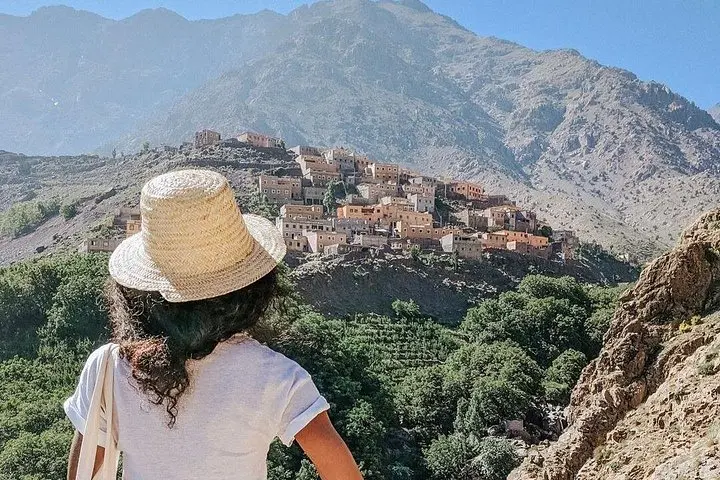
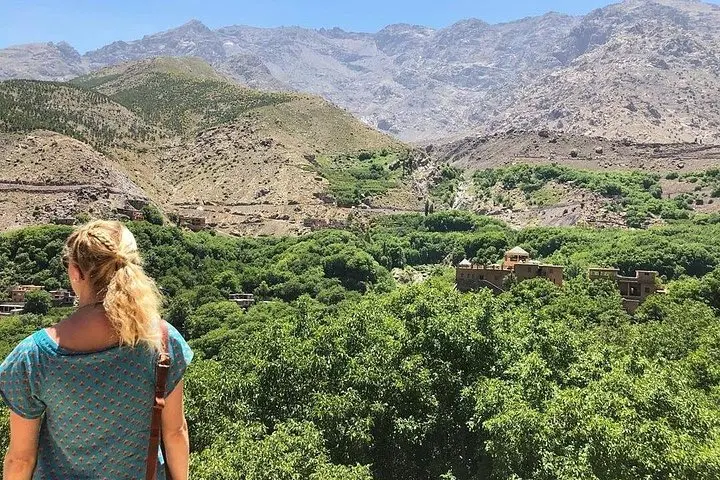
The morning light from Marrakech flattens the city’s heat as the road climbs toward the High Atlas; cedar forests grow taller, and the air sharpens with altitude. On this full-day excursion travelers move from the hum of Jemaa el-Fnaa to terraced valleys where mule tracks and narrow paths thread between stone houses. A short camel ride on the lower slopes gives a playful, unexpected foreground before the group slips into quieter hamlets.
Verified experiences and guided adventures in the surrounding area.
Operated by Atlas Mountains Day Trip · Marrakech, Marrakesh-Safi
The morning light from Marrakech flattens the city’s heat as the road climbs toward the High Atlas; cedar forests grow taller, and the air sharpens with altitude. On this full-day excursion travelers move from the hum of Jemaa el-Fnaa to terraced valleys where mule tracks and narrow paths thread between stone houses. A short camel ride on the lower slopes gives a playful, unexpected foreground before the group slips into quieter hamlets.
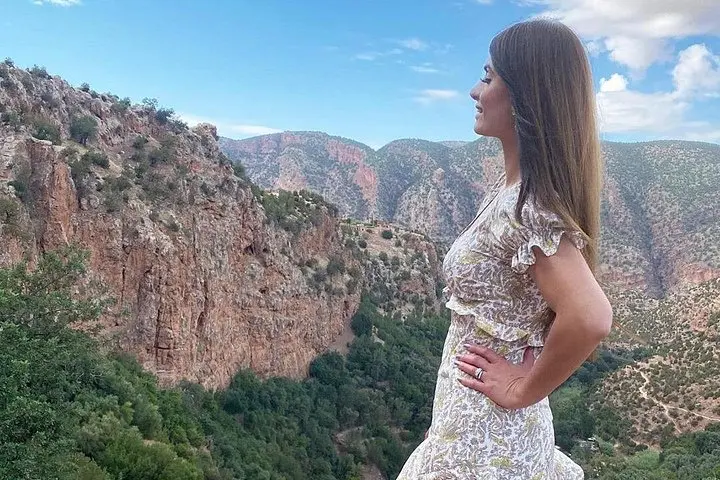
Geology here is compact and rugged — folded limestone and volcanic outcrops carved by seasonal streams create steep valleys and plateaus. The people you meet are predominantly Berber; family homes in Ait Souka open onto social courtyards where traditional tajine and mint tea punctuate conversation. Imlil and Moulay Brahim sit as gateway villages to trails that lead higher toward Toubkal, and their culture blends Amazigh language, mountain agriculture, and hospitality rooted in centuries of trans-Saharan trade.
Expect gentle to moderate walking, short climbs, and unpaved lanes; the guide will tailor the day to your fitness. Bring a layered jacket for wind and shade for midday sun, and carry small notes of local currency—village markets rarely take cards. Photography moments come often: terraces, stone kasbahs, and distant snowy caps in winter. Respect private homes and ask before photographing people.
Practical rhythm: depart early from central Marrakech, plan for roughly seven hours on the road and in villages, and reserve extra time for slower-paced visits with a Berber family. Hydrate before and during the trip, wear sturdy shoes for uneven ground, and be ready to trade the city’s pace for a day where the mountains quietly set the tempo.
Most departures begin with hotel pickup in Marrakech or a meeting point at Café de France in Jemaa el-Fnaa; the tour returns to Marrakech by mid-to-late afternoon.
Walking options are flexible—short village strolls and up to 1–2 hours of moderate walking depending on what you choose with the guide.
Yes—drivers provide infant seats and the itinerary can be adjusted; however, travelers with serious back or heart problems are discouraged from joining longer walks.
Yes; the tour typically includes breakfast, lunch with a Berber family, and tea/coffee stops mentioned in the itinerary.
Atlas Mountains Day Trip operates guided outdoor trips and adventures with an emphasis on safety, stewardship, and memorable experiences.
The morning light from Marrakech flattens the city’s heat as the road climbs toward the High Atlas; cedar forests grow taller, and the air sharpens with altitude. On this full-day excursion travelers move from the hum of Jemaa el-Fnaa to terraced valleys where mule tracks and narrow paths thread between stone houses. A short camel ride on the lower slopes gives a playful, unexpected foreground before the group slips into quieter hamlets.
The morning light from Marrakech flattens the city’s heat as the road climbs toward the High Atlas; cedar forests grow taller, and the air sharpens with altitude. On this full-day excursion travelers move from the hum of Jemaa el-Fnaa to terraced valleys where mule tracks and narrow paths thread between stone houses. A short camel ride on the lower slopes gives a playful, unexpected foreground before the group slips into quieter hamlets.
Geology here is compact and rugged — folded limestone and volcanic outcrops carved by seasonal streams create steep valleys and plateaus. The people you meet are predominantly Berber; family homes in Ait Souka open onto social courtyards where traditional tajine and mint tea punctuate conversation. Imlil and Moulay Brahim sit as gateway villages to trails that lead higher toward Toubkal, and their culture blends Amazigh language, mountain agriculture, and hospitality rooted in centuries of trans-Saharan trade.
Expect gentle to moderate walking, short climbs, and unpaved lanes; the guide will tailor the day to your fitness. Bring a layered jacket for wind and shade for midday sun, and carry small notes of local currency—village markets rarely take cards. Photography moments come often: terraces, stone kasbahs, and distant snowy caps in winter. Respect private homes and ask before photographing people.
Practical rhythm: depart early from central Marrakech, plan for roughly seven hours on the road and in villages, and reserve extra time for slower-paced visits with a Berber family. Hydrate before and during the trip, wear sturdy shoes for uneven ground, and be ready to trade the city’s pace for a day where the mountains quietly set the tempo.