THE ADVENTURE COLLECTIVE® · Independent discovery and booking for outdoor travel

Swap Marrakech’s bustle for the cooler slopes of the High Atlas on a full-day trip to Imlil. Hike 2–3 hours through Berber hamlets, visit an argan cooperative, enjoy a home-cooked tagine, and finish with a 30-minute camel ride in Asni valley.
Swap Marrakech’s bustle for the cooler slopes of the High Atlas on a full-day trip to Imlil. Hike 2–3 hours through Berber hamlets, visit an argan cooperative, enjoy a home-cooked tagine, and finish with a 30-minute camel ride in Asni valley.
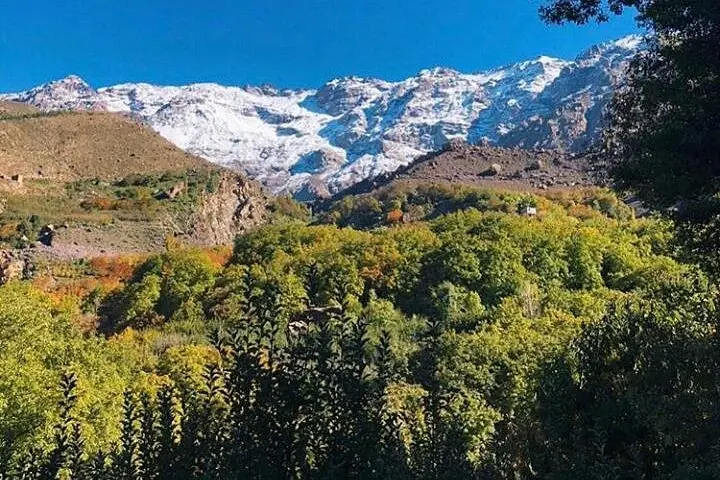
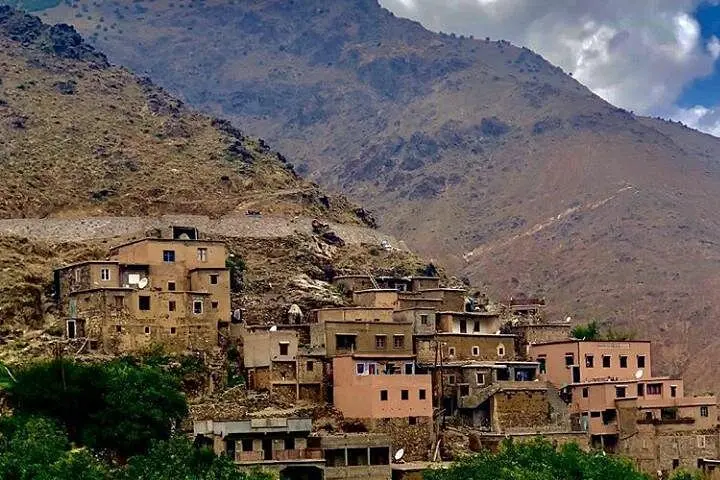
You step out of Marrakech’s dust and into a different rhythm: the road climbs, air cools, and the High Atlas rises like a challenge ahead. By mid-morning the van threads cedar slopes and olive terraces, arriving near Imlil at roughly 1,800 m where walnut groves and stepped hamlets open into paths that invite exploration.
Verified experiences and guided adventures in the surrounding area.
Operated by Atlas mountains tours · Imlil, Marrakesh-Safi
You step out of Marrakech’s dust and into a different rhythm: the road climbs, air cools, and the High Atlas rises like a challenge ahead. By mid-morning the van threads cedar slopes and olive terraces, arriving near Imlil at roughly 1,800 m where walnut groves and stepped hamlets open into paths that invite exploration.
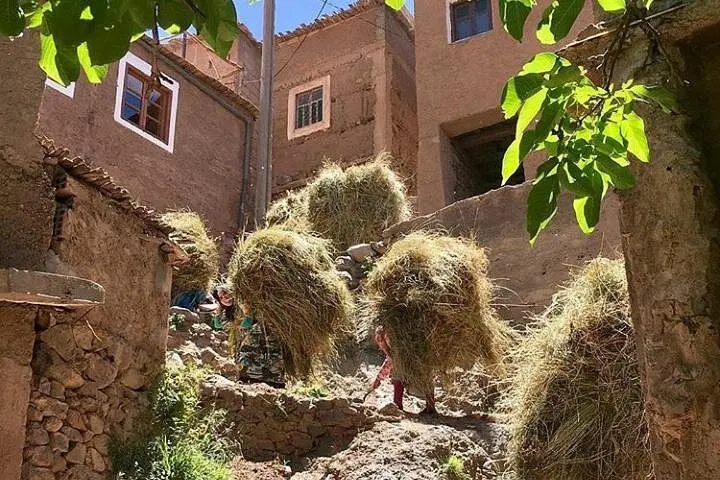
This day trip blends living Berber culture with mountain geology — volcanic and metamorphic ridges sculpted by erosion, terraced fields, and dry-stone houses. At an argan cooperative, local women press oil the traditional way while you sample mint tea; the cooperative is both an economic lifeline and a touchpoint with Amazigh traditions. The walk itself is typically 5–7 km of dirt tracks and stone steps, with 200–350 m of gentle elevation change spread over 2–3 hours, passing small farms, seasonal irrigation channels and panoramic valley viewpoints.
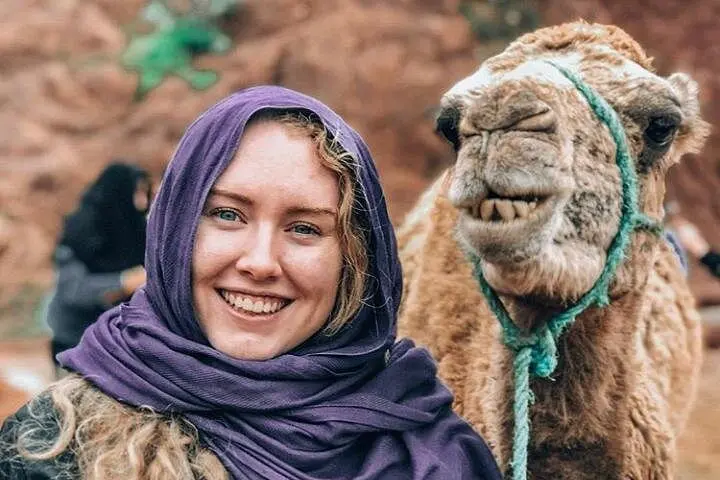
Lunch is a three-course tagine served by locals in a village home, offering a chance to ask about daily life and seasonal rhythms. Later, a 30-minute camel ride around Asni valley provides a low-slung, slow-moving perspective of the foothills before the drive back to Marrakech.
Practical essentials: wear sturdy trail shoes, carry 1–2 liters of water, and bring layers—mountain temperatures swing fast. The itinerary suits most fitness levels but includes uneven terrain and short rocky sections; consider arrival times to avoid midday heat and support local cooperatives with respectful purchases and tipping.
Expect 2–3 hours of walking covering roughly 5–7 km with 200–350 m of gradual elevation change; trails are uneven but not technical.
The 30-minute camel ride is gentle but involves mounting and dismounting from a low saddle; it’s suitable for most children and adults but not recommended for people with serious mobility constraints without assistance.
The lunch is a traditional tagine with vegetarian and chicken options; inform the operator of dietary needs when booking to ensure alternatives can be arranged.
Tipping is customary; small tips to guides, drivers, and cooperative staff are appreciated and support local livelihoods.
Atlas mountains tours operates guided outdoor trips and adventures with an emphasis on safety, stewardship, and memorable experiences.
You step out of Marrakech’s dust and into a different rhythm: the road climbs, air cools, and the High Atlas rises like a challenge ahead. By mid-morning the van threads cedar slopes and olive terraces, arriving near Imlil at roughly 1,800 m where walnut groves and stepped hamlets open into paths that invite exploration.
You step out of Marrakech’s dust and into a different rhythm: the road climbs, air cools, and the High Atlas rises like a challenge ahead. By mid-morning the van threads cedar slopes and olive terraces, arriving near Imlil at roughly 1,800 m where walnut groves and stepped hamlets open into paths that invite exploration.
This day trip blends living Berber culture with mountain geology — volcanic and metamorphic ridges sculpted by erosion, terraced fields, and dry-stone houses. At an argan cooperative, local women press oil the traditional way while you sample mint tea; the cooperative is both an economic lifeline and a touchpoint with Amazigh traditions. The walk itself is typically 5–7 km of dirt tracks and stone steps, with 200–350 m of gentle elevation change spread over 2–3 hours, passing small farms, seasonal irrigation channels and panoramic valley viewpoints.
Lunch is a three-course tagine served by locals in a village home, offering a chance to ask about daily life and seasonal rhythms. Later, a 30-minute camel ride around Asni valley provides a low-slung, slow-moving perspective of the foothills before the drive back to Marrakech.
Practical essentials: wear sturdy trail shoes, carry 1–2 liters of water, and bring layers—mountain temperatures swing fast. The itinerary suits most fitness levels but includes uneven terrain and short rocky sections; consider arrival times to avoid midday heat and support local cooperatives with respectful purchases and tipping.