THE ADVENTURE COLLECTIVE® · Independent discovery and booking for outdoor travel

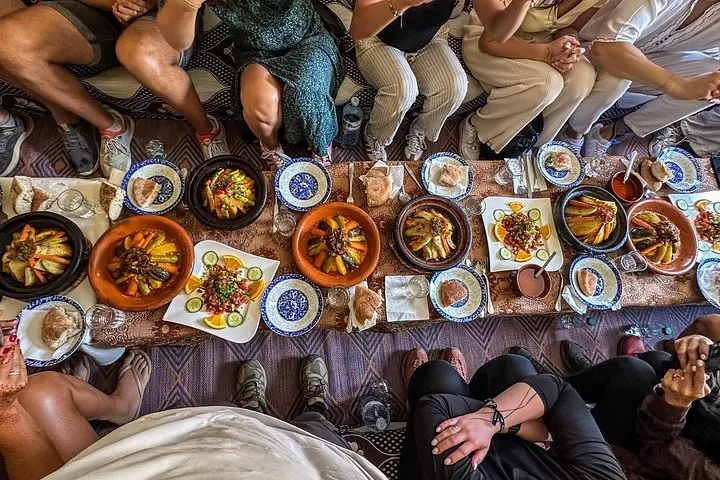
Leave Marrakech for a full-day circuit through the Atlas: camel rides, waterfall walks, visits to eight Berber villages and lunch with a local family. This practical one-day tour combines cultural encounters with short, scenic hikes in the Ourika, Asni and Imlil valleys.
Leave Marrakech for a full-day circuit through the Atlas: camel rides, waterfall walks, visits to eight Berber villages and lunch with a local family. This practical one-day tour combines cultural encounters with short, scenic hikes in the Ourika, Asni and Imlil valleys.
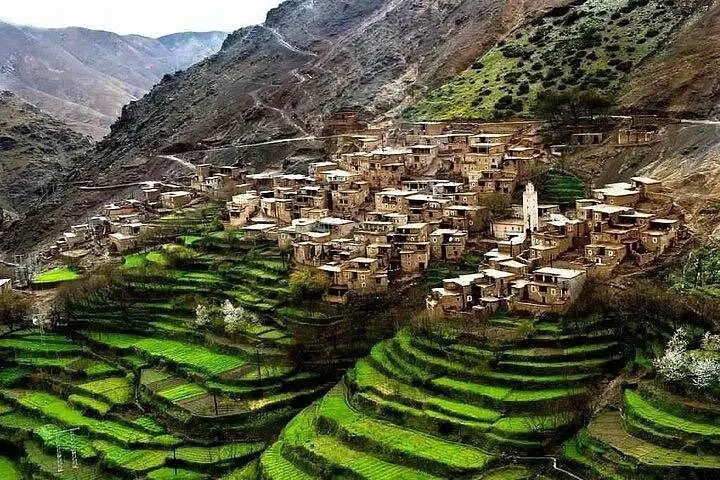
On the road out of Marrakech the air sharpens and the palms give way to stone houses and terraced plots. The convoy climbs toward the High Atlas, and by midmorning you’re moving between villages where laundry pins rattle like small flags and a mountain stream dares you closer with every turn.
Verified experiences and guided adventures in the surrounding area.
Operated by Marrakech Outdoor Trips · Marrakech, Marrakech-Safi
On the road out of Marrakech the air sharpens and the palms give way to stone houses and terraced plots. The convoy climbs toward the High Atlas, and by midmorning you’re moving between villages where laundry pins rattle like small flags and a mountain stream dares you closer with every turn.
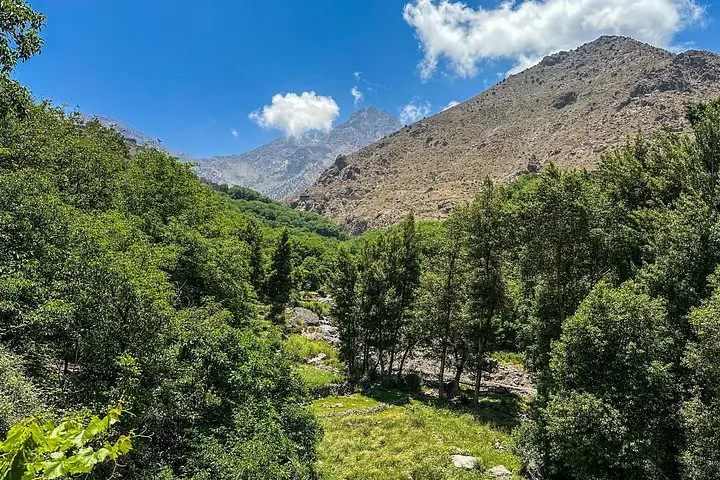
Geology here is blunt and honest: the High Atlas rose as Africa collided with Europe, folding schist and volcanic rock into ridgelines with Jbel Toubkal—North Africa’s highest peak—looming beyond. The valleys you visit—Ourika, Asni and Imlil—sit between roughly 900–1,500 m elevation, dotted with Amazigh (Berber) villages whose histories trace local agriculture, trans-Saharan caravan routes and a living craft tradition. Women’s argan cooperatives and market days in small towns show a cultural economy tied to the land.
Expect a mix of easy village walks and short hikes: waterfall approaches are typically 30–60 minutes on packed earth with occasional loose stone and 100–400 m of ascent in spots. The included camel ride and a family-prepared lunch add cultural texture; guides handle logistics and storytelling so you can focus on the views.
Practical: departures around 8:30 AM, return about 17:30, total time 8–9 hours. Moderate fitness is required for short climbs and uneven lanes. Bring layered clothing for morning chill, sturdy shoes, sun protection and at least 1–2 liters of water. Respect private property, tip hosts and support cooperatives to keep tourism sustainable.
Pick up is available from accommodation or a central meeting point in the medina; departures typically start around 8:30 AM with return to Marrakech around 17:30.
Walks are short to moderate—30–60 minutes—on uneven dirt and stone; overall the day requires moderate fitness but no technical climbing skills.
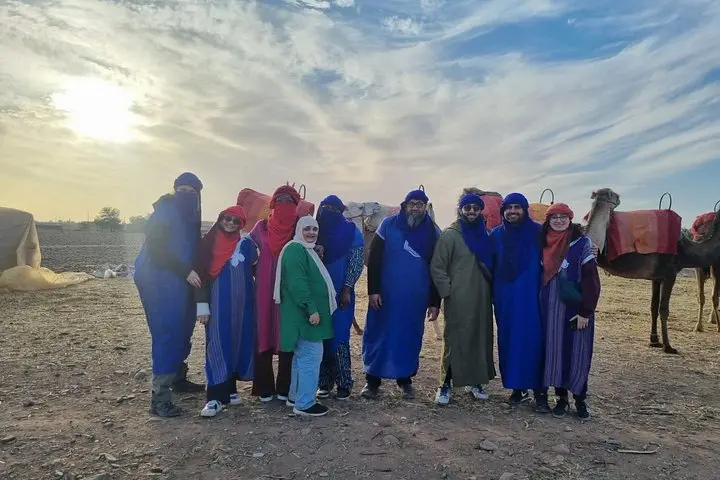
Camel rides are included, short and managed by local handlers; animals are used to tourists but follow handler instructions for mounting and dismounting.
Lunch and bottled water are included; additional snacks or market purchases are at your own expense.
Marrakech Outdoor Trips operates guided outdoor trips and adventures with an emphasis on safety, stewardship, and memorable experiences.
On the road out of Marrakech the air sharpens and the palms give way to stone houses and terraced plots. The convoy climbs toward the High Atlas, and by midmorning you’re moving between villages where laundry pins rattle like small flags and a mountain stream dares you closer with every turn.
On the road out of Marrakech the air sharpens and the palms give way to stone houses and terraced plots. The convoy climbs toward the High Atlas, and by midmorning you’re moving between villages where laundry pins rattle like small flags and a mountain stream dares you closer with every turn.
Geology here is blunt and honest: the High Atlas rose as Africa collided with Europe, folding schist and volcanic rock into ridgelines with Jbel Toubkal—North Africa’s highest peak—looming beyond. The valleys you visit—Ourika, Asni and Imlil—sit between roughly 900–1,500 m elevation, dotted with Amazigh (Berber) villages whose histories trace local agriculture, trans-Saharan caravan routes and a living craft tradition. Women’s argan cooperatives and market days in small towns show a cultural economy tied to the land.
Expect a mix of easy village walks and short hikes: waterfall approaches are typically 30–60 minutes on packed earth with occasional loose stone and 100–400 m of ascent in spots. The included camel ride and a family-prepared lunch add cultural texture; guides handle logistics and storytelling so you can focus on the views.
Practical: departures around 8:30 AM, return about 17:30, total time 8–9 hours. Moderate fitness is required for short climbs and uneven lanes. Bring layered clothing for morning chill, sturdy shoes, sun protection and at least 1–2 liters of water. Respect private property, tip hosts and support cooperatives to keep tourism sustainable.