THE ADVENTURE COLLECTIVE® · Independent discovery and booking for outdoor travel

Escape Marrakech for a day of walnut groves, mule trails and Berber hospitality in Imlil Valley. This guided Atlas Mountains trip blends a moderate hike with cultural visits to an argan cooperative and a local family lunch.
Escape Marrakech for a day of walnut groves, mule trails and Berber hospitality in Imlil Valley. This guided Atlas Mountains trip blends a moderate hike with cultural visits to an argan cooperative and a local family lunch.
You leave the clamor of Marrakech and the air shifts — cooler, fragrant with river dust and rosemary. The road climbs past olive terraces and low stone villages until Imlil spreads out below, a green ribboned valley that leads toward the granite flanks of the High Atlas. A mountain river dares you to follow it; mule tracks and walnut groves pull you deeper into Berber country.
Verified experiences and guided adventures in the surrounding area.
Operated by Amazouz Morocco Tours · Imlil, Marrakech-Safi
You leave the clamor of Marrakech and the air shifts — cooler, fragrant with river dust and rosemary. The road climbs past olive terraces and low stone villages until Imlil spreads out below, a green ribboned valley that leads toward the granite flanks of the High Atlas. A mountain river dares you to follow it; mule tracks and walnut groves pull you deeper into Berber country.
This day trip threads history, geology and living culture. The towns around Imlil sit on ancient transhumance routes used by Amazigh (Berber) communities; the valleys are carved from uplifted sedimentary beds and exposed granite intrusions, which give the peaks their blocky profiles. You’ll visit a women’s argan cooperative, taste mint tea over earthenware, and walk past terraced fields where apple orchards and walnut trees mark human resilience at altitude.
Expect two hours of guided walking on mostly well-trodden paths: riverside tracks, mule trails and short steep sections with modest elevation gain. The guide explains seasonal planting cycles, local building techniques and the role of animals — donkeys and mules still move goods where vehicles can’t.
Practical notes: start early for cooler temperatures, wear sturdy shoes with grip, bring at least 1–1.5 liters of water and sun protection. Mobile signal is patchy; cash for small purchases is useful. Respect private homes when stopping for tea or lunch and ask before photographing people. By late afternoon the drive settles you back into Marrakech, carrying mountain air and a clearer sense of Amazigh life.
The guided hike is about 2 hours on varied trails; total tour duration including transport is approximately 7–8 hours.
Yes—paths are moderate and the tour advertises suitability for all fitness levels, but mobility limitations on rocky or uneven ground can make parts challenging.
Yes—breakfast at an argan cooperative and a traditional Berber lunch with a local family are included; bring extra snacks if you have specific dietary needs.
Carry Moroccan dirham in small denominations for souvenirs, tips, or small purchases in villages where cards and ATMs are rare.
Amazouz Morocco Tours operates guided outdoor trips and adventures with an emphasis on safety, stewardship, and memorable experiences.
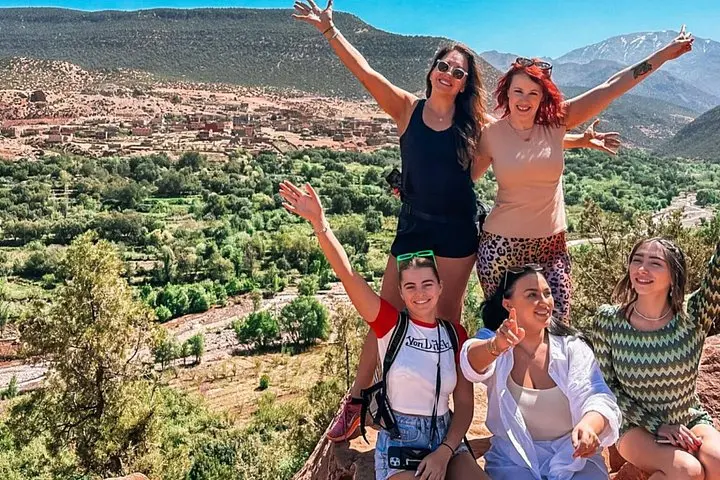
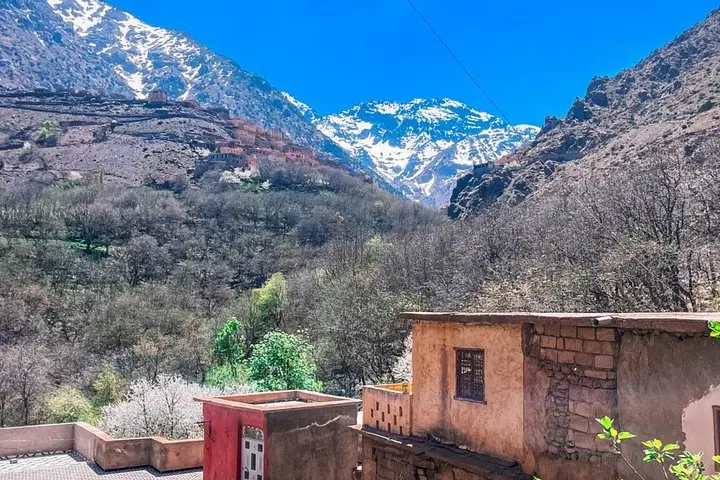
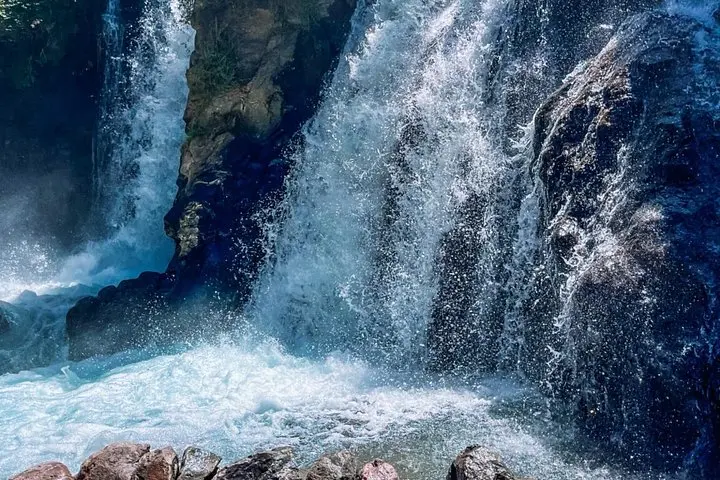
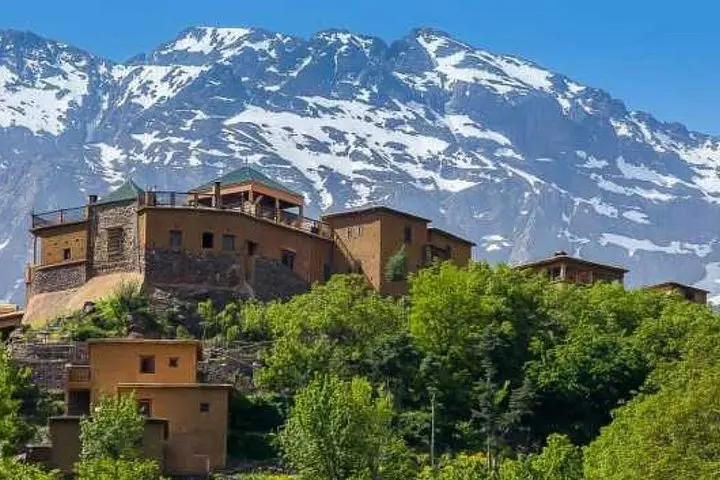
You leave the clamor of Marrakech and the air shifts — cooler, fragrant with river dust and rosemary. The road climbs past olive terraces and low stone villages until Imlil spreads out below, a green ribboned valley that leads toward the granite flanks of the High Atlas. A mountain river dares you to follow it; mule tracks and walnut groves pull you deeper into Berber country.
You leave the clamor of Marrakech and the air shifts — cooler, fragrant with river dust and rosemary. The road climbs past olive terraces and low stone villages until Imlil spreads out below, a green ribboned valley that leads toward the granite flanks of the High Atlas. A mountain river dares you to follow it; mule tracks and walnut groves pull you deeper into Berber country.
This day trip threads history, geology and living culture. The towns around Imlil sit on ancient transhumance routes used by Amazigh (Berber) communities; the valleys are carved from uplifted sedimentary beds and exposed granite intrusions, which give the peaks their blocky profiles. You’ll visit a women’s argan cooperative, taste mint tea over earthenware, and walk past terraced fields where apple orchards and walnut trees mark human resilience at altitude.
Expect two hours of guided walking on mostly well-trodden paths: riverside tracks, mule trails and short steep sections with modest elevation gain. The guide explains seasonal planting cycles, local building techniques and the role of animals — donkeys and mules still move goods where vehicles can’t.
Practical notes: start early for cooler temperatures, wear sturdy shoes with grip, bring at least 1–1.5 liters of water and sun protection. Mobile signal is patchy; cash for small purchases is useful. Respect private homes when stopping for tea or lunch and ask before photographing people. By late afternoon the drive settles you back into Marrakech, carrying mountain air and a clearer sense of Amazigh life.