THE ADVENTURE COLLECTIVE® · Independent discovery and booking for outdoor travel

Escape Marrakech for a full-day trek into the High Atlas—camel ride, village visit, and a 1.5–2 hour hike through Imlil Valley to a Berber family lunch. Expect rocky paths, panoramic ridgelines, and local cultural encounters.
Escape Marrakech for a full-day trek into the High Atlas—camel ride, village visit, and a 1.5–2 hour hike through Imlil Valley to a Berber family lunch. Expect rocky paths, panoramic ridgelines, and local cultural encounters.
Morning light leaves Marrakech and the highway climbs, the city’s noise shrinking as the High Atlas slopes widen. You arrive at a small camel pen first—15–20 minutes on a patient animal, then tea in a Berber tent while mule paths and terraced fields unfurl around you.
Verified experiences and guided adventures in the surrounding area.
Operated by Fun Day trips from Marrakech. · Marrakech, Marrakech-Safi
Morning light leaves Marrakech and the highway climbs, the city’s noise shrinking as the High Atlas slopes widen. You arrive at a small camel pen first—15–20 minutes on a patient animal, then tea in a Berber tent while mule paths and terraced fields unfurl around you.
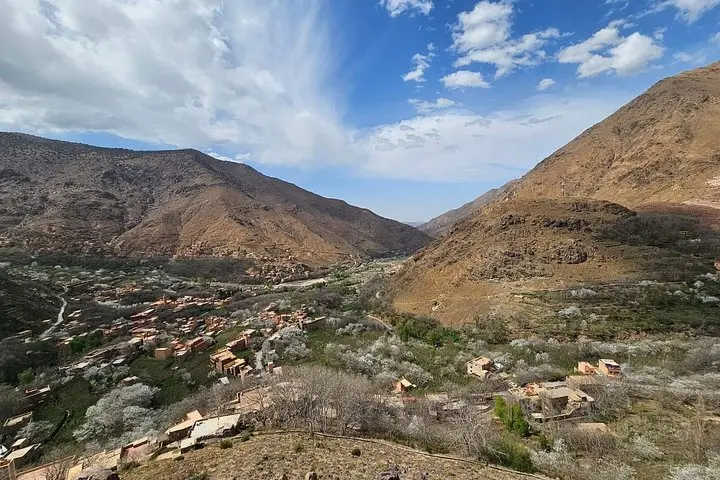
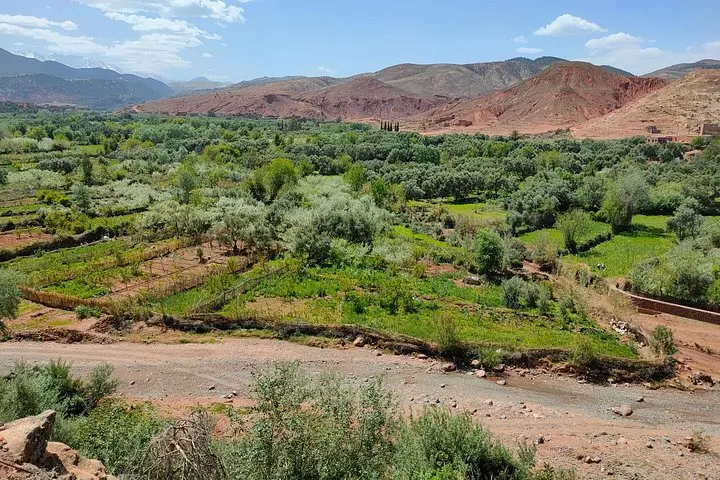
The geology here is simple and stark: folded limestone and schist pushed up by the African and Eurasian plates, cut by seasonal streams that have carved steep valleys and waterfalls. The hike begins at Imlil Valley, a string of stone villages clinging to slopes around 1,800 m. Local families farm olives and almonds; argan co-ops in nearby hamlets demonstrate oil pressing in centuries-old houses. The landscape—rocky ridgelines, irrigated terraces, and oak pockets—feels muscular, not ornamental; the mountains dare you onward rather than soothe.
Expect 1.5–2 hours of steady walking on dirt tracks and rocky steps to a viewpoint and a Berber house where a cooked lunch awaits: tagine, flatbread, mint tea. Cultural notes: the villages are inhabited by Amazigh (Berber) families whose livelihoods blend subsistence agriculture with guiding and craft sales.
Practical guidance: start with sturdy footwear and layered clothing for variable mountain sun and wind. Hydrate before you leave Marrakech; altitude and dry air can accelerate fatigue. Bring small bills for cooperative visits and a respectful curiosity—photography is welcome but ask first. The tour is full day—plan for an early pickup and a calm return to Marrakech as light softens over the red city.
The guided hike in Imlil Valley is about 1.5–2 hours round-trip, on dirt and rocky tracks with some short climbs.
Yes—camel rides are short (15–20 minutes) and generally safe, but children should be supervised and follow guide instructions.
Yes—bottled water, mint tea, and a traditional Berber lunch are included; bring extra water if you’re prone to dehydration.
Tipping is customary; small cash tips for the driver, hiking guide, and host families are appreciated and support local livelihoods.
Fun Day trips from Marrakech. operates guided outdoor trips and adventures with an emphasis on safety, stewardship, and memorable experiences.
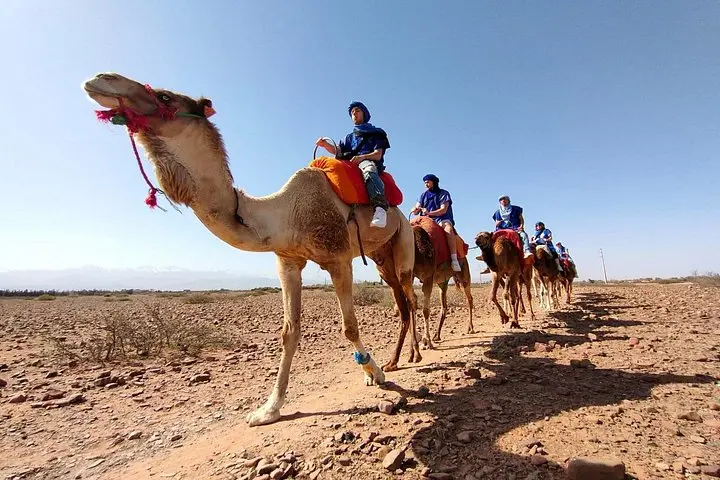
Morning light leaves Marrakech and the highway climbs, the city’s noise shrinking as the High Atlas slopes widen. You arrive at a small camel pen first—15–20 minutes on a patient animal, then tea in a Berber tent while mule paths and terraced fields unfurl around you.
Morning light leaves Marrakech and the highway climbs, the city’s noise shrinking as the High Atlas slopes widen. You arrive at a small camel pen first—15–20 minutes on a patient animal, then tea in a Berber tent while mule paths and terraced fields unfurl around you.
The geology here is simple and stark: folded limestone and schist pushed up by the African and Eurasian plates, cut by seasonal streams that have carved steep valleys and waterfalls. The hike begins at Imlil Valley, a string of stone villages clinging to slopes around 1,800 m. Local families farm olives and almonds; argan co-ops in nearby hamlets demonstrate oil pressing in centuries-old houses. The landscape—rocky ridgelines, irrigated terraces, and oak pockets—feels muscular, not ornamental; the mountains dare you onward rather than soothe.
Expect 1.5–2 hours of steady walking on dirt tracks and rocky steps to a viewpoint and a Berber house where a cooked lunch awaits: tagine, flatbread, mint tea. Cultural notes: the villages are inhabited by Amazigh (Berber) families whose livelihoods blend subsistence agriculture with guiding and craft sales.
Practical guidance: start with sturdy footwear and layered clothing for variable mountain sun and wind. Hydrate before you leave Marrakech; altitude and dry air can accelerate fatigue. Bring small bills for cooperative visits and a respectful curiosity—photography is welcome but ask first. The tour is full day—plan for an early pickup and a calm return to Marrakech as light softens over the red city.