THE ADVENTURE COLLECTIVE® · Independent discovery and booking for outdoor travel

Drive out of Marrakech into the cooler air of the High Atlas for a day of waterfalls, berber village visits, and a short camel ride. Expect easy-to-moderate walks, a homemade tagine in a local house, and panoramic views of Toubkal.
Drive out of Marrakech into the cooler air of the High Atlas for a day of waterfalls, berber village visits, and a short camel ride. Expect easy-to-moderate walks, a homemade tagine in a local house, and panoramic views of Toubkal.
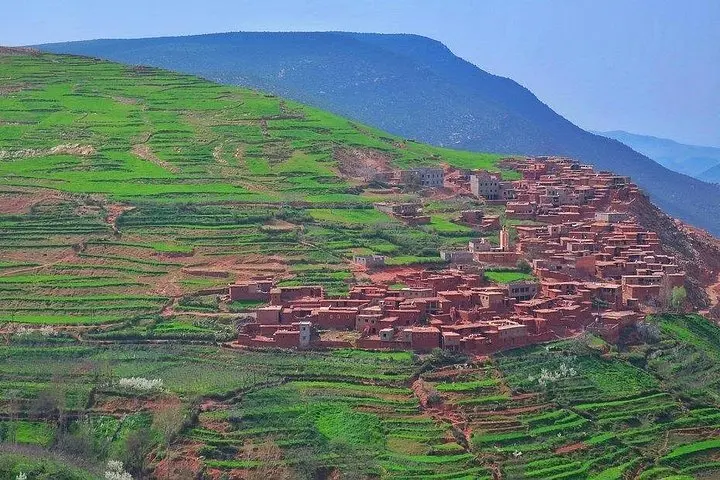
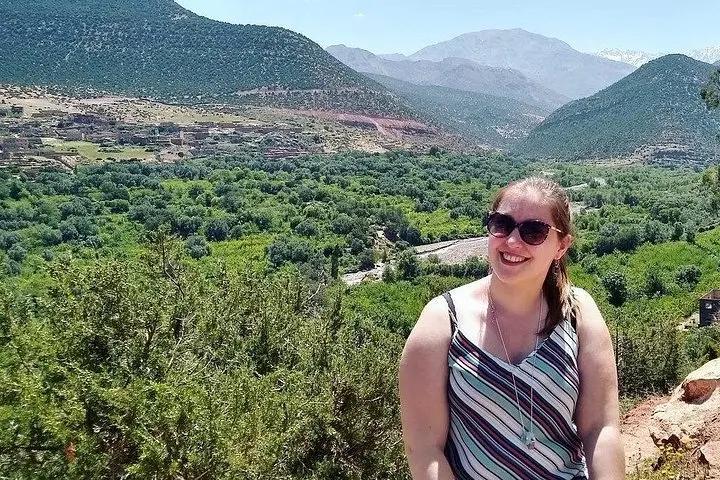
Sunlight pushes across the High Atlas as the minivan peels out of Marrakech and the air grows thinner, cooler, scented with thyme and argan. Roads climb through orange orchards into valleys where streams dare you to follow them upstream; flocks move like punctuation on ridgelines and adobe houses sit low against the slopes.
Verified experiences and guided adventures in the surrounding area.
Operated by Atlas Mountains Guided Tour · Marrakech, Marrakech-Safi
Sunlight pushes across the High Atlas as the minivan peels out of Marrakech and the air grows thinner, cooler, scented with thyme and argan. Roads climb through orange orchards into valleys where streams dare you to follow them upstream; flocks move like punctuation on ridgelines and adobe houses sit low against the slopes.
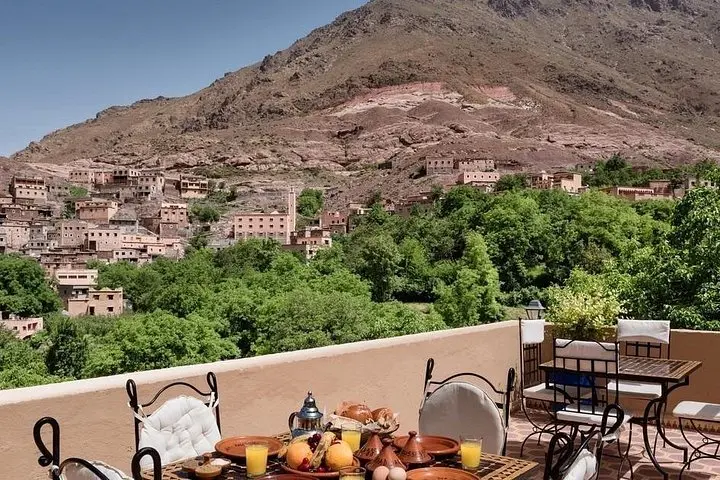
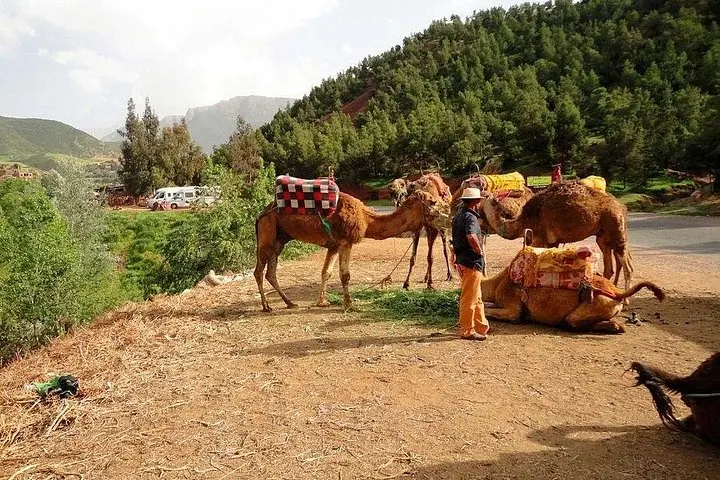
This full-day route threads together Ourika’s green waterfalls, argan-processing workshops, and the stone-built villages around Imlil and Ait Souka. Geologically the High Atlas is young, uplifted by the collision of the African and Eurasian plates; granite peaks like Toubkal (4,167 m) still wear winter snow into spring. Culturally, the area is Berber country—families who have farmed terraced slopes for centuries and preserved pottery, weaving, and home-cooking. You’ll learn how argan is cold-pressed, sit for a tagine in a local house, and take a short camel ride across a scrubby plain for photos.
Practical notes: expect about 7 hours door-to-door, with roughly 30–60 minutes’ driving between highlights and short walks of 1–2 km at waterfall viewing points on uneven, sometimes muddy trails. Elevation at village stops reaches ~1,700–1,800 m; the route is suitable for most fitness levels but not for those with significant cardiovascular issues. Sun protection, layered clothing, and refillable water are essential. Guides typically provide pickup, an English-speaking commentary, and a local lunch.
This trip balances cultural encounters and accessible outdoor time—bring your camera, stay aware of changing mountain weather, and allow the landscape room to surprise you.
Yes; most operators provide pickup and drop-off from Marrakech riads and hotels—confirm your pickup point at booking.
Walks are short (1–2 km) and on uneven terrain; they’re suitable for most people but not recommended for those with serious mobility or heart issues.
Small village vendors and cooperatives usually accept cash (dirhams); cards are unreliable outside Marrakech—carry small bills.
Lunch in a Berber house and traditional tea are typically included; bottled water and extra snacks may not be provided for the whole day.
Atlas Mountains Guided Tour operates guided outdoor trips and adventures with an emphasis on safety, stewardship, and memorable experiences.
Sunlight pushes across the High Atlas as the minivan peels out of Marrakech and the air grows thinner, cooler, scented with thyme and argan. Roads climb through orange orchards into valleys where streams dare you to follow them upstream; flocks move like punctuation on ridgelines and adobe houses sit low against the slopes.
Sunlight pushes across the High Atlas as the minivan peels out of Marrakech and the air grows thinner, cooler, scented with thyme and argan. Roads climb through orange orchards into valleys where streams dare you to follow them upstream; flocks move like punctuation on ridgelines and adobe houses sit low against the slopes.
This full-day route threads together Ourika’s green waterfalls, argan-processing workshops, and the stone-built villages around Imlil and Ait Souka. Geologically the High Atlas is young, uplifted by the collision of the African and Eurasian plates; granite peaks like Toubkal (4,167 m) still wear winter snow into spring. Culturally, the area is Berber country—families who have farmed terraced slopes for centuries and preserved pottery, weaving, and home-cooking. You’ll learn how argan is cold-pressed, sit for a tagine in a local house, and take a short camel ride across a scrubby plain for photos.
Practical notes: expect about 7 hours door-to-door, with roughly 30–60 minutes’ driving between highlights and short walks of 1–2 km at waterfall viewing points on uneven, sometimes muddy trails. Elevation at village stops reaches ~1,700–1,800 m; the route is suitable for most fitness levels but not for those with significant cardiovascular issues. Sun protection, layered clothing, and refillable water are essential. Guides typically provide pickup, an English-speaking commentary, and a local lunch.
This trip balances cultural encounters and accessible outdoor time—bring your camera, stay aware of changing mountain weather, and allow the landscape room to surprise you.