THE ADVENTURE COLLECTIVE® · Independent discovery and booking for outdoor travel

Escape Marrakech for a half-day in the High Atlas: a gentle valley walk from Imlil past Berber hamlets to a riverside waterfall. Expect dramatic geology, traditional lunch in a family home, and a digestible taste of mountain life.
Escape Marrakech for a half-day in the High Atlas: a gentle valley walk from Imlil past Berber hamlets to a riverside waterfall. Expect dramatic geology, traditional lunch in a family home, and a digestible taste of mountain life.
You leave Marrakech’s ochre walls before the city fully wakes, the road easing up into the High Atlas where stone walls and shale peaks start to crowd the horizon.
Verified experiences and guided adventures in the surrounding area.
Operated by Atlas Mountain Travel · Imlil, Marrakesh-Safi
You leave Marrakech’s ochre walls before the city fully wakes, the road easing up into the High Atlas where stone walls and shale peaks start to crowd the horizon.
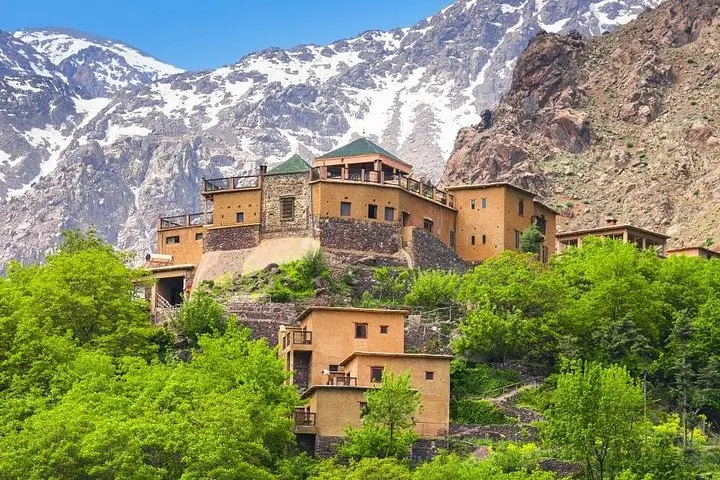
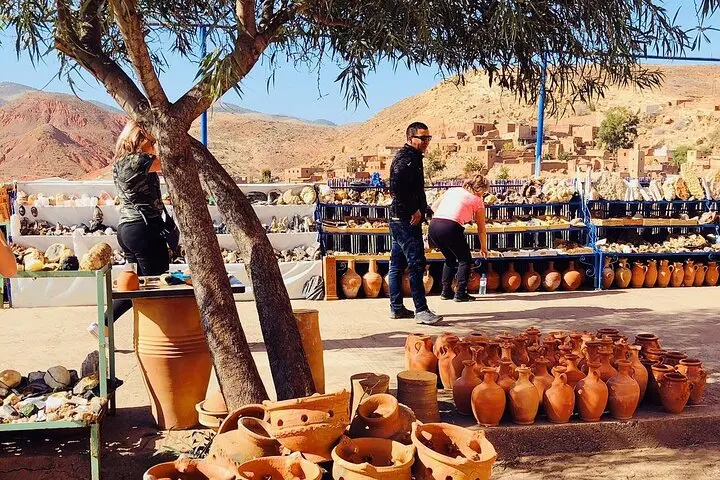
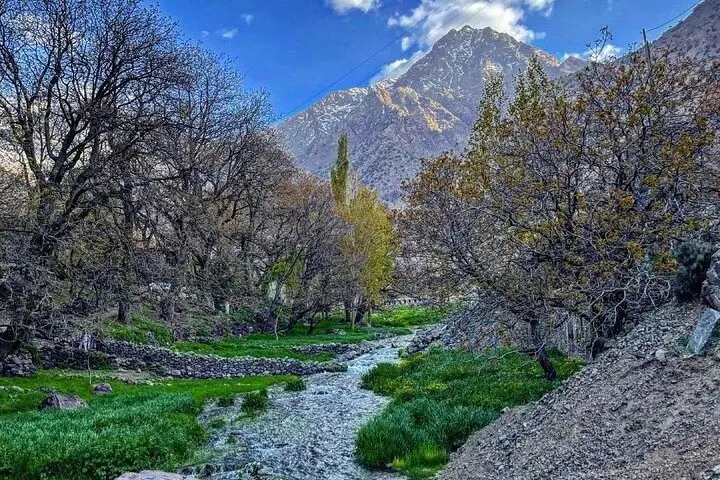
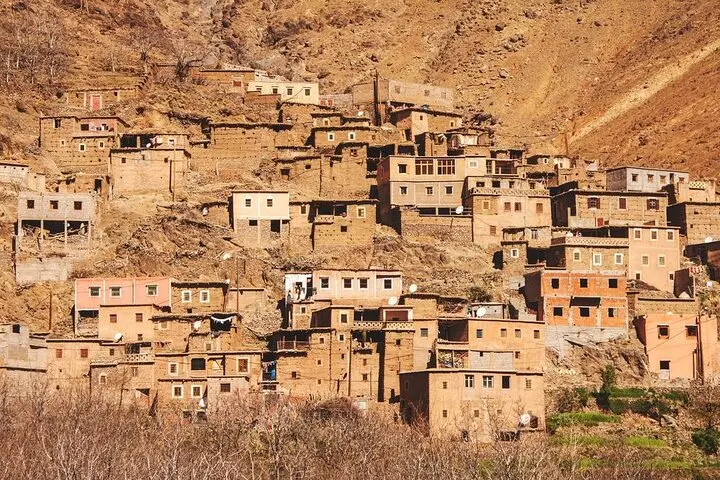
By the time the minibus drops you in Imlil, the valley feels orchestral: water pushing down from snowmelt, shepherd dogs calling, terraces stitched into the slope. The route follows an easy mule track through small Berber hamlets—flat fields, stacked stone homes, and the occasional cooperative where women roll mint tea and hand-knit wool. A short walk reaches a modest waterfall, where the river dares you to pause and listen.
Geologically the High Atlas is young and steep; you’ll see folded schist and volcanic intrusions that lift the landscape toward Jbel Toubkal, North Africa’s highest peak. Culturally, the villages are Amazigh (Berber) communities with centuries-old farming practices and a living tradition of hospitality—lunch is often cooked in a family home.
Practical guidance: the walking is gentle, 3–6 km round trip with under ~300 m elevation gain on uneven rock and dirt tracks. Expect 1–1.5 hours each way by vehicle from Marrakech depending on traffic. Bring layered clothes, sun protection, and comfortable shoes with decent tread; paths can be slippery after rain. Hydrate before you go—local bottled water is usually provided. If you want quieter moments, ask your guide to detour to a hamlet trail or higher viewpoint: mornings and late afternoons are best for light and cooler air.
This day trip blends short, accessible trekking with clear cultural payoff, ideal for travelers who want mountain scenery without technical hiking.
The walking section is generally short—about 3–6 km round trip—lasting 1–2 hours depending on stops and pace.
Yes—this tour is described as gentle and suitable for most fitness levels, though mobility limitations may make uneven paths difficult.
Lunch is typically a home-cooked Berber meal; advise the operator about dietary restrictions when booking so they can accommodate requests.
Carry some Moroccan dirham for small purchases, tips, or cooperative goods—cards are not always accepted in village shops.
Atlas Mountain Travel operates guided outdoor trips and adventures with an emphasis on safety, stewardship, and memorable experiences.
You leave Marrakech’s ochre walls before the city fully wakes, the road easing up into the High Atlas where stone walls and shale peaks start to crowd the horizon.
You leave Marrakech’s ochre walls before the city fully wakes, the road easing up into the High Atlas where stone walls and shale peaks start to crowd the horizon.
By the time the minibus drops you in Imlil, the valley feels orchestral: water pushing down from snowmelt, shepherd dogs calling, terraces stitched into the slope. The route follows an easy mule track through small Berber hamlets—flat fields, stacked stone homes, and the occasional cooperative where women roll mint tea and hand-knit wool. A short walk reaches a modest waterfall, where the river dares you to pause and listen.
Geologically the High Atlas is young and steep; you’ll see folded schist and volcanic intrusions that lift the landscape toward Jbel Toubkal, North Africa’s highest peak. Culturally, the villages are Amazigh (Berber) communities with centuries-old farming practices and a living tradition of hospitality—lunch is often cooked in a family home.
Practical guidance: the walking is gentle, 3–6 km round trip with under ~300 m elevation gain on uneven rock and dirt tracks. Expect 1–1.5 hours each way by vehicle from Marrakech depending on traffic. Bring layered clothes, sun protection, and comfortable shoes with decent tread; paths can be slippery after rain. Hydrate before you go—local bottled water is usually provided. If you want quieter moments, ask your guide to detour to a hamlet trail or higher viewpoint: mornings and late afternoons are best for light and cooler air.
This day trip blends short, accessible trekking with clear cultural payoff, ideal for travelers who want mountain scenery without technical hiking.