THE ADVENTURE COLLECTIVE® · Independent discovery and booking for outdoor travel

Escape Marrakech for a full-day circuit through the Atlas Mountains’ Imlil, Sidi Fares and Ourika valleys. This guided trip mixes short hikes, a Berber house lunch, argan cooperative visits and a camel ride—an accessible introduction to mountain life.
Escape Marrakech for a full-day circuit through the Atlas Mountains’ Imlil, Sidi Fares and Ourika valleys. This guided trip mixes short hikes, a Berber house lunch, argan cooperative visits and a camel ride—an accessible introduction to mountain life.
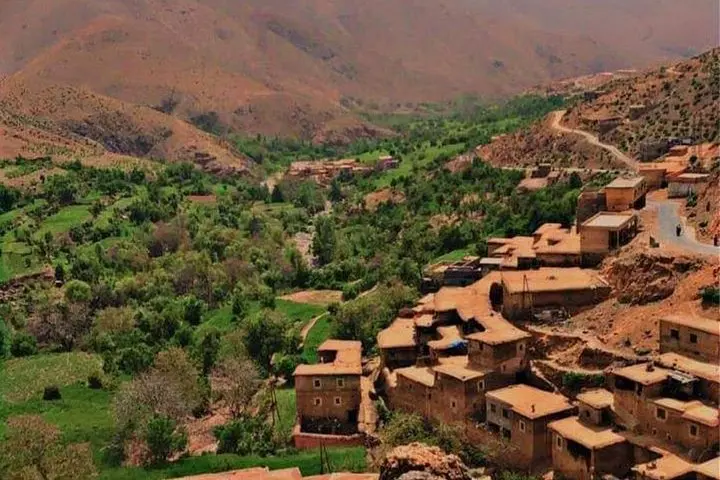
You step out of Marrakech’s morning heat into a cooler strip of road where the High Atlas rises like a folded map. The minivan climbs switchbacks past ochre villages; terraces and stone houses lean into the slope, and the air begins to hold cedar and rosemary. By midmorning the guide points: a line of peaks, including North Africa’s highest slopes, presses the skyline while valleys unroll below.
Verified experiences and guided adventures in the surrounding area.
Operated by Oujdani Marrakech Tours · Marrakech, Marrakech-Safi
You step out of Marrakech’s morning heat into a cooler strip of road where the High Atlas rises like a folded map. The minivan climbs switchbacks past ochre villages; terraces and stone houses lean into the slope, and the air begins to hold cedar and rosemary. By midmorning the guide points: a line of peaks, including North Africa’s highest slopes, presses the skyline while valleys unroll below.
These valleys — Imlil, Sidi Fares and Ourika — have long been routes for Berber farmers and traders. Geologically they are carved from uplifted Mesozoic rock and glacially-scoured basins, with streams that have shaped terraces and small waterfalls. Culture is visible in daily life: terraced fields, argan presses run by women’s cooperatives, and families who still keep seasonal flocks.
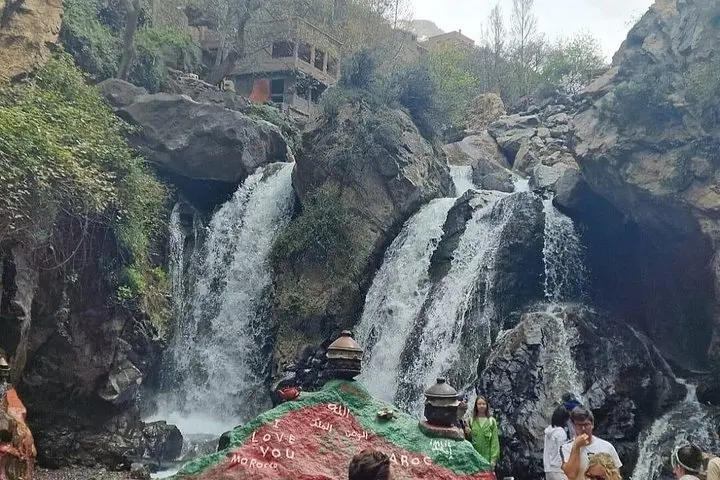
The tour balances short hikes and village visits with a communal lunch in a Berber house and a brief camel ride on a quiet plain. A typical waterfall walk at Setti Fatma is short and uneven, with stone steps and loose gravel, suitable for most walkers but not for strollers without care.
Practical edge: start early, carry sun protection and a light rain layer in spring and fall, and bring cash for cooperative stalls. Expect about an 8-hour round trip from central Marrakech with several short stops, a 30–60 minute guided walk to a waterfall, and chances to observe argan oil production and mountain farming techniques. The terrain is a mix of paved roads, dirt tracks and short rocky paths — evocative, accessible, and quietly rugged.
The tour is approximately 8 hours round-trip, including transfers, stops, lunch and short walks.
The hike to Setti Fatma’s waterfall is short (30–60 minutes) with some stone steps and loose gravel; it’s suitable for most people wearing sturdy shoes.
Yes — a traditional Berber lunch is included, and bottled water is provided during the day.
Yes — the itinerary is family-friendly with short walks and a camel ride, though infants in strollers may find some trails uneven.
Oujdani Marrakech Tours operates guided outdoor trips and adventures with an emphasis on safety, stewardship, and memorable experiences.
You step out of Marrakech’s morning heat into a cooler strip of road where the High Atlas rises like a folded map. The minivan climbs switchbacks past ochre villages; terraces and stone houses lean into the slope, and the air begins to hold cedar and rosemary. By midmorning the guide points: a line of peaks, including North Africa’s highest slopes, presses the skyline while valleys unroll below.
You step out of Marrakech’s morning heat into a cooler strip of road where the High Atlas rises like a folded map. The minivan climbs switchbacks past ochre villages; terraces and stone houses lean into the slope, and the air begins to hold cedar and rosemary. By midmorning the guide points: a line of peaks, including North Africa’s highest slopes, presses the skyline while valleys unroll below.
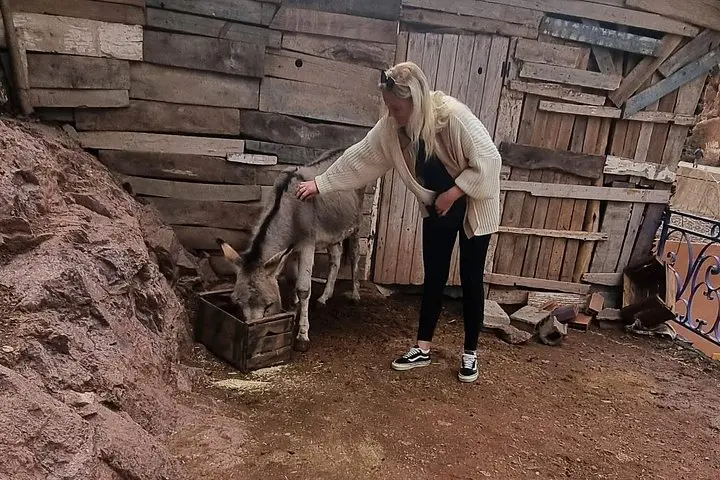
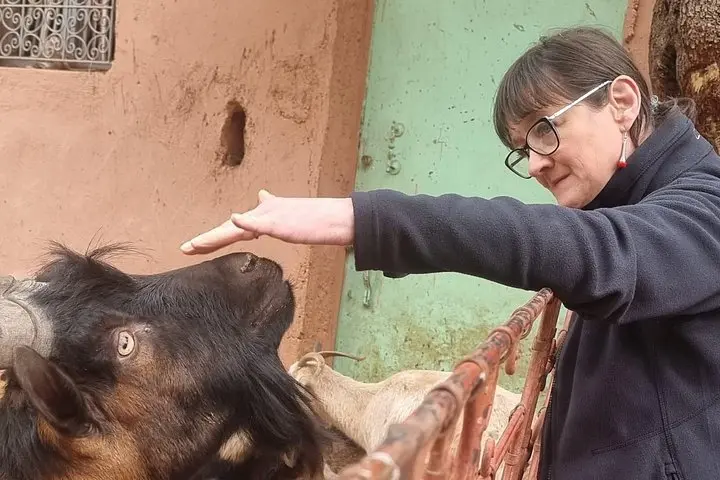
These valleys — Imlil, Sidi Fares and Ourika — have long been routes for Berber farmers and traders. Geologically they are carved from uplifted Mesozoic rock and glacially-scoured basins, with streams that have shaped terraces and small waterfalls. Culture is visible in daily life: terraced fields, argan presses run by women’s cooperatives, and families who still keep seasonal flocks.
The tour balances short hikes and village visits with a communal lunch in a Berber house and a brief camel ride on a quiet plain. A typical waterfall walk at Setti Fatma is short and uneven, with stone steps and loose gravel, suitable for most walkers but not for strollers without care.
Practical edge: start early, carry sun protection and a light rain layer in spring and fall, and bring cash for cooperative stalls. Expect about an 8-hour round trip from central Marrakech with several short stops, a 30–60 minute guided walk to a waterfall, and chances to observe argan oil production and mountain farming techniques. The terrain is a mix of paved roads, dirt tracks and short rocky paths — evocative, accessible, and quietly rugged.