THE ADVENTURE COLLECTIVE® · Independent discovery and booking for outdoor travel

Spend a day leaving Marrakech’s buzz for the High Atlas—walking through Imlil and neighboring valleys, visiting Berber households, riding a camel, and following a trail to a seasonal waterfall. Practical, immersive, and accessible for most travelers.
Spend a day leaving Marrakech’s buzz for the High Atlas—walking through Imlil and neighboring valleys, visiting Berber households, riding a camel, and following a trail to a seasonal waterfall. Practical, immersive, and accessible for most travelers.
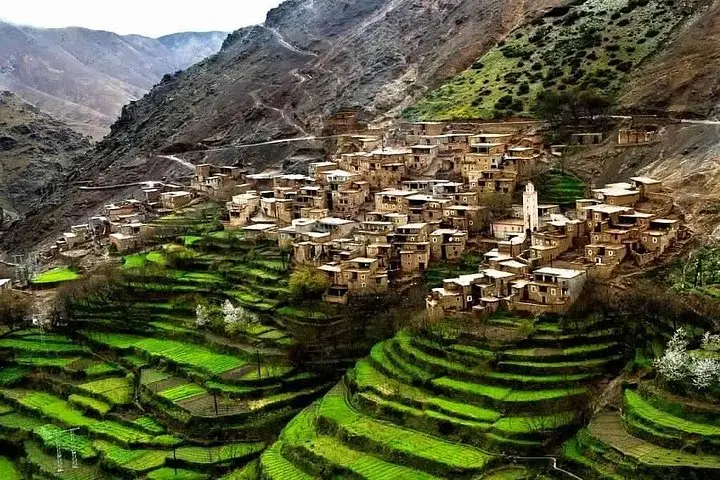
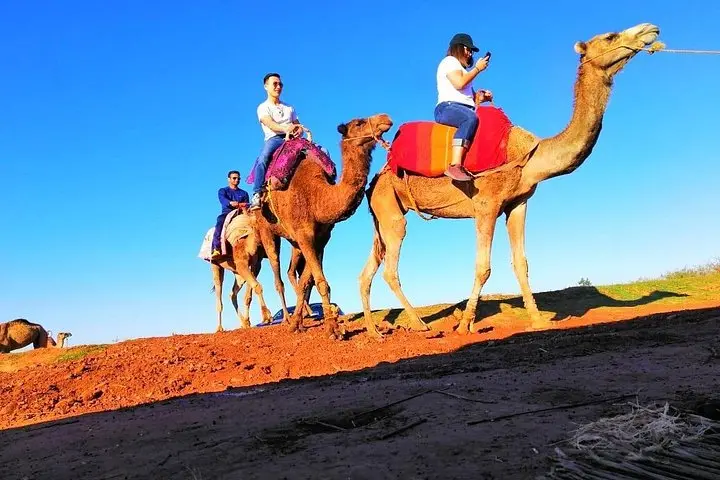
A cool morning lifts off Marrakech as the minivan threads tarmac toward the High Atlas. Within an hour the city’s heat thins and terraced fields tilt up into granite ribs; the air smells of dust and mint tea. The day unfolds in short chapters—bright valleys, hands-on moments in small Berber homes, a camel ride across rocky scrub, and a walk toward a seasonal waterfall that punctuates the landscape.
Verified experiences and guided adventures in the surrounding area.
Operated by Art de Cuivre Travel · Marrakech, Marrakech-Safi
A cool morning lifts off Marrakech as the minivan threads tarmac toward the High Atlas. Within an hour the city’s heat thins and terraced fields tilt up into granite ribs; the air smells of dust and mint tea. The day unfolds in short chapters—bright valleys, hands-on moments in small Berber homes, a camel ride across rocky scrub, and a walk toward a seasonal waterfall that punctuates the landscape.
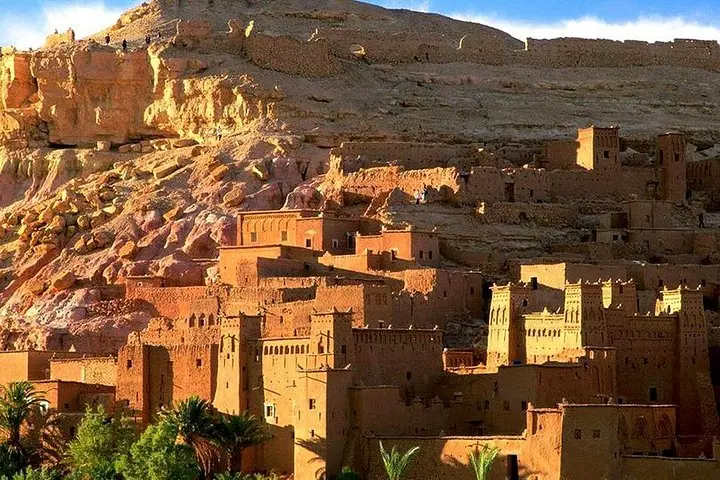
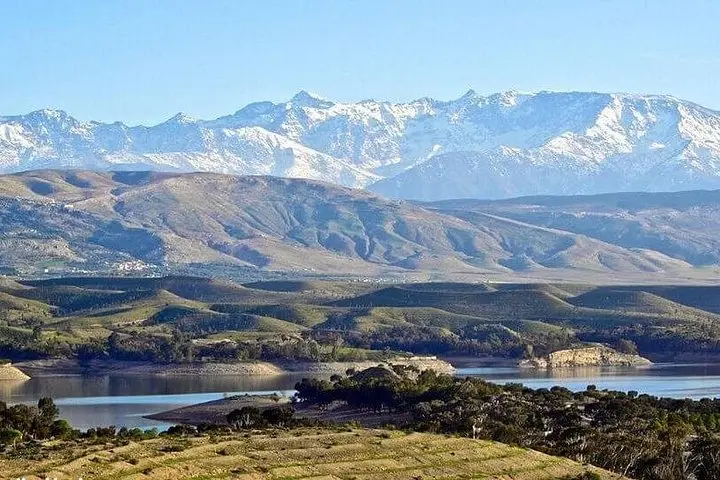
The Atlas range is geologically young, folded and fractured by tectonic collisions that raised volcanic and metamorphic rock into sharp ridgelines. Culturally, this corridor has long been home to Amazigh (Berber) communities who farm steep slopes, herd goats, and run cooperatives producing argan oil and textiles. Visiting is a direct encounter with living traditions: shared tea, conversations about farming cycles, and craft demonstrations in women's cooperatives.
Practically, expect a full 7‑hour day with hotel pickup and drop-off, a fluent local guide, and short walks between villages—most terrain is unpaved valley tracks with modest slopes. The camel ride is brief and on level ground; the waterfall approach can be rocky and muddy after rains. Bring layers for temperature swings, sun protection, and a refillable water bottle. Photographs are welcome, but ask before shooting inside homes. Timing your visit in spring or fall gives the best balance of wildflowers and comfortable hiking temperatures.
This excursion delivers cultural context, accessible mountain scenery, and a sampler of Atlas life—ideal for travelers who want immersive encounters without technical trekking or overnight logistics.
Yes—private transport with hotel pickup and drop-off in Marrakech is included in the tour price.
The camel ride is short and on flat ground; it’s suitable for first-timers and guided by experienced handlers.
The tour includes tea with a Berber family but not a full meal; bring snacks if you prefer extra food during the day.
The operator notes it’s suitable for most fitness levels; some paths are uneven so check specifics with the provider about mobility needs.
Art de Cuivre Travel operates guided outdoor trips and adventures with an emphasis on safety, stewardship, and memorable experiences.
A cool morning lifts off Marrakech as the minivan threads tarmac toward the High Atlas. Within an hour the city’s heat thins and terraced fields tilt up into granite ribs; the air smells of dust and mint tea. The day unfolds in short chapters—bright valleys, hands-on moments in small Berber homes, a camel ride across rocky scrub, and a walk toward a seasonal waterfall that punctuates the landscape.
A cool morning lifts off Marrakech as the minivan threads tarmac toward the High Atlas. Within an hour the city’s heat thins and terraced fields tilt up into granite ribs; the air smells of dust and mint tea. The day unfolds in short chapters—bright valleys, hands-on moments in small Berber homes, a camel ride across rocky scrub, and a walk toward a seasonal waterfall that punctuates the landscape.
The Atlas range is geologically young, folded and fractured by tectonic collisions that raised volcanic and metamorphic rock into sharp ridgelines. Culturally, this corridor has long been home to Amazigh (Berber) communities who farm steep slopes, herd goats, and run cooperatives producing argan oil and textiles. Visiting is a direct encounter with living traditions: shared tea, conversations about farming cycles, and craft demonstrations in women's cooperatives.
Practically, expect a full 7‑hour day with hotel pickup and drop-off, a fluent local guide, and short walks between villages—most terrain is unpaved valley tracks with modest slopes. The camel ride is brief and on level ground; the waterfall approach can be rocky and muddy after rains. Bring layers for temperature swings, sun protection, and a refillable water bottle. Photographs are welcome, but ask before shooting inside homes. Timing your visit in spring or fall gives the best balance of wildflowers and comfortable hiking temperatures.
This excursion delivers cultural context, accessible mountain scenery, and a sampler of Atlas life—ideal for travelers who want immersive encounters without technical trekking or overnight logistics.