THE ADVENTURE COLLECTIVE® · Independent discovery and booking for outdoor travel

Cross the High Atlas from Marrakech to see Tizi n’Tichka’s alpine pass, the UNESCO kasbah of Aït Ben Haddou, and Ouarzazate’s film studios in a single day. Expect long drives, short walks, striking light on adobe, and a close-up of Berber mountain life.
Cross the High Atlas from Marrakech to see Tizi n’Tichka’s alpine pass, the UNESCO kasbah of Aït Ben Haddou, and Ouarzazate’s film studios in a single day. Expect long drives, short walks, striking light on adobe, and a close-up of Berber mountain life.
The road leaves Marrakech before sunrise and the city’s heat gives way to a rising chill as the van climbs into the High Atlas. Hairpin after hairpin, the road carves through ochre ridges; wind-bent junipers and terraced fields watch you pass. At Tizi n’Tichka—over 2,000 meters—the air is thin, the views abrupt, and the valley below seems to have been folded out of time.
Verified experiences and guided adventures in the surrounding area.
Operated by Majestic Spring Tours · Marrakech, Marrakesh-Safi
The road leaves Marrakech before sunrise and the city’s heat gives way to a rising chill as the van climbs into the High Atlas. Hairpin after hairpin, the road carves through ochre ridges; wind-bent junipers and terraced fields watch you pass. At Tizi n’Tichka—over 2,000 meters—the air is thin, the views abrupt, and the valley below seems to have been folded out of time.
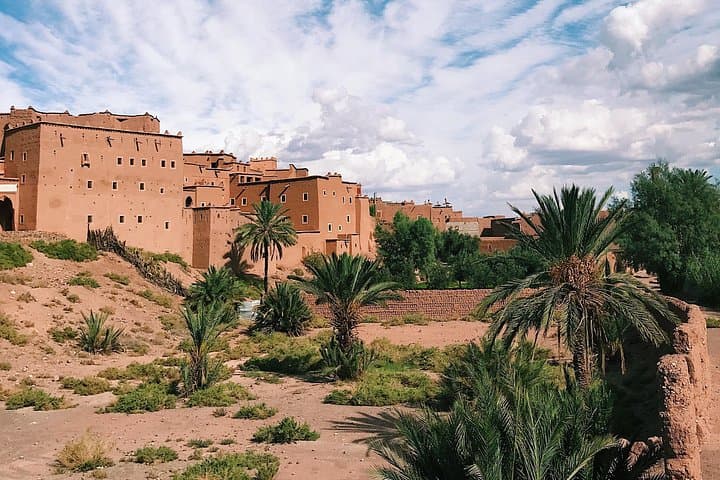
This drive follows centuries-old trade routes that linked Marrakech to the Sahara. Geologically the High Atlas is young and rugged: stacked layers of sandstone and limestone crumple into narrow canyons and broad plateaus. Culturally the region is Berber country—mud-brick kasbahs, palm oases, and remote villages where hospitality remains direct and pragmatic.
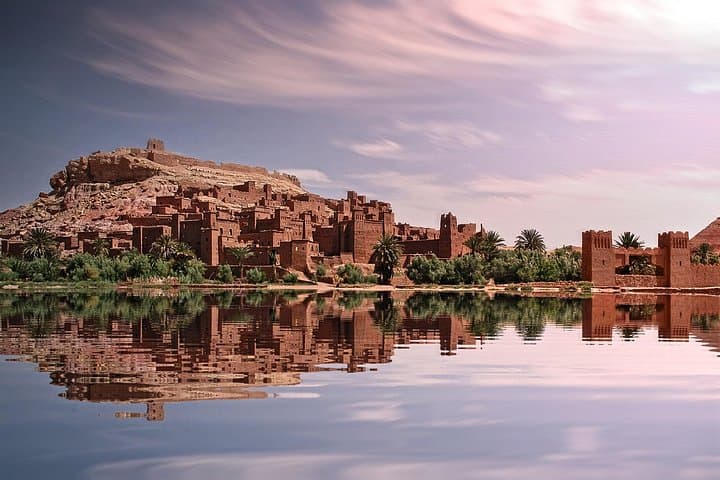
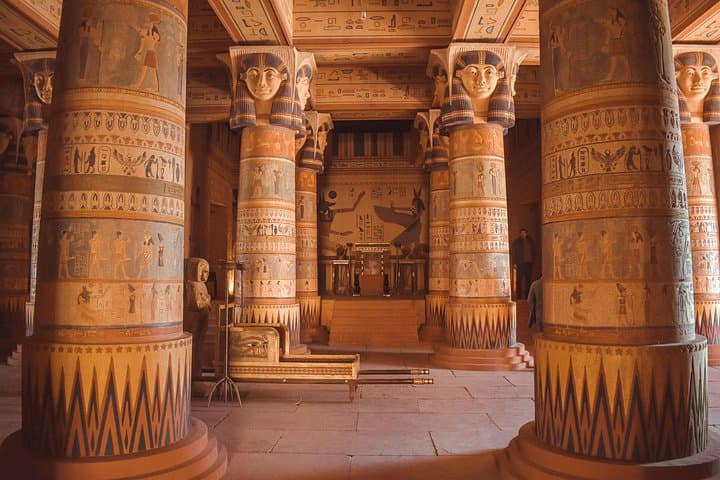
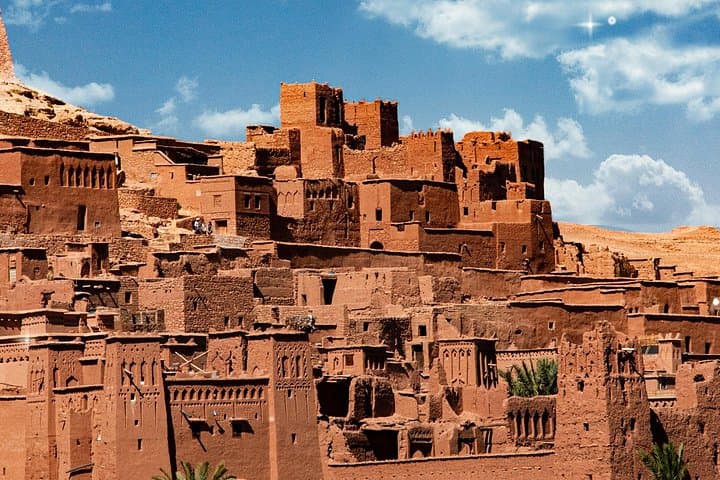
Aït Ben Haddou is a fortified ksar, its sun-baked walls a study in adobe construction that earned UNESCO status and repeated film roles. Ouarzazate, downriver, grew into a cinematic hub—Atlas Film Studios is worth a look for its scale and props.
Practical side: tours run 6–10 hours with roughly three hours each way; expect short guided walks at the kasbahs and photo stops at the pass. Wear layers for the pass, sturdy shoes for uneven mud-brick lanes, and carry water and local currency for small fees. Keep your camera charged—light on the adobe turns fast at dawn and dusk. Road travel is comfortable in an air-conditioned vehicle, but motion sickness can affect some on mountain stretches. Pace yourself, pause for viewpoints, and let the landscape push and pull your attention as you cross from plain to mountain to oasis.
Expect about three hours each way depending on traffic and stops; the full tour runs roughly 6–10 hours.
Most shared tours include transport and guided stops but not all entrance fees—carry local cash for kasbah entrances and optional museum visits.
Yes—vehicles are air-conditioned and the walking at sites is generally short, but the pass involves long car time and some uneven paths.
Many tours include a photo stop outside the studios; check the itinerary if you want a formal studio visit as that may require additional fees.
Majestic Spring Tours operates guided outdoor trips and adventures with an emphasis on safety, stewardship, and memorable experiences.
The road leaves Marrakech before sunrise and the city’s heat gives way to a rising chill as the van climbs into the High Atlas. Hairpin after hairpin, the road carves through ochre ridges; wind-bent junipers and terraced fields watch you pass. At Tizi n’Tichka—over 2,000 meters—the air is thin, the views abrupt, and the valley below seems to have been folded out of time.
The road leaves Marrakech before sunrise and the city’s heat gives way to a rising chill as the van climbs into the High Atlas. Hairpin after hairpin, the road carves through ochre ridges; wind-bent junipers and terraced fields watch you pass. At Tizi n’Tichka—over 2,000 meters—the air is thin, the views abrupt, and the valley below seems to have been folded out of time.
This drive follows centuries-old trade routes that linked Marrakech to the Sahara. Geologically the High Atlas is young and rugged: stacked layers of sandstone and limestone crumple into narrow canyons and broad plateaus. Culturally the region is Berber country—mud-brick kasbahs, palm oases, and remote villages where hospitality remains direct and pragmatic.
Aït Ben Haddou is a fortified ksar, its sun-baked walls a study in adobe construction that earned UNESCO status and repeated film roles. Ouarzazate, downriver, grew into a cinematic hub—Atlas Film Studios is worth a look for its scale and props.
Practical side: tours run 6–10 hours with roughly three hours each way; expect short guided walks at the kasbahs and photo stops at the pass. Wear layers for the pass, sturdy shoes for uneven mud-brick lanes, and carry water and local currency for small fees. Keep your camera charged—light on the adobe turns fast at dawn and dusk. Road travel is comfortable in an air-conditioned vehicle, but motion sickness can affect some on mountain stretches. Pace yourself, pause for viewpoints, and let the landscape push and pull your attention as you cross from plain to mountain to oasis.