THE ADVENTURE COLLECTIVE® · Independent discovery and booking for outdoor travel

Escape Marrakech for a day in the Atlas: argan cooperatives, a guided hike through the Ourika Valley, and riverside tagine beside Setti Fatma’s waterfalls. Ideal for travelers wanting an accessible mountain hike with cultural stops.
Escape Marrakech for a day in the Atlas: argan cooperatives, a guided hike through the Ourika Valley, and riverside tagine beside Setti Fatma’s waterfalls. Ideal for travelers wanting an accessible mountain hike with cultural stops.
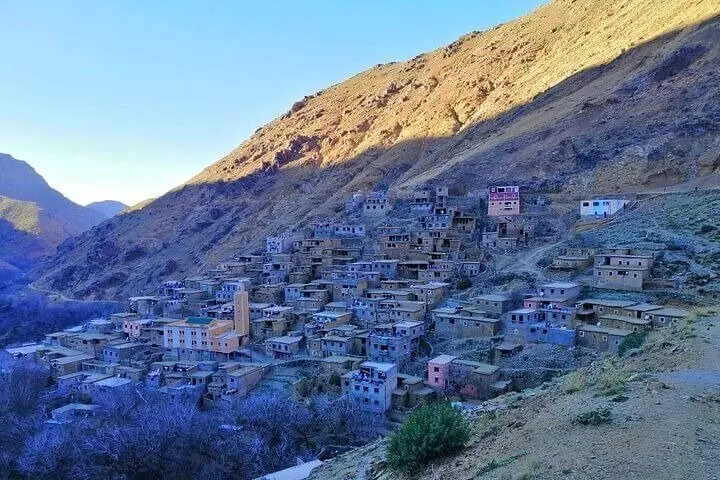
The day begins before the city heat, leaving Marrakech's ochre walls as the road climbs toward the High Atlas. Windows frame terraces, stone villages, and the river that insists on cutting a route through the valley. By the time the minibus eases into Setti Fatma the mountain air has a sharpness to it; the stream ahead dares you to follow.
Verified experiences and guided adventures in the surrounding area.
Operated by Marrakech Outdoor Trips · Marrakech, Marrakech-Safi
The day begins before the city heat, leaving Marrakech's ochre walls as the road climbs toward the High Atlas. Windows frame terraces, stone villages, and the river that insists on cutting a route through the valley. By the time the minibus eases into Setti Fatma the mountain air has a sharpness to it; the stream ahead dares you to follow.
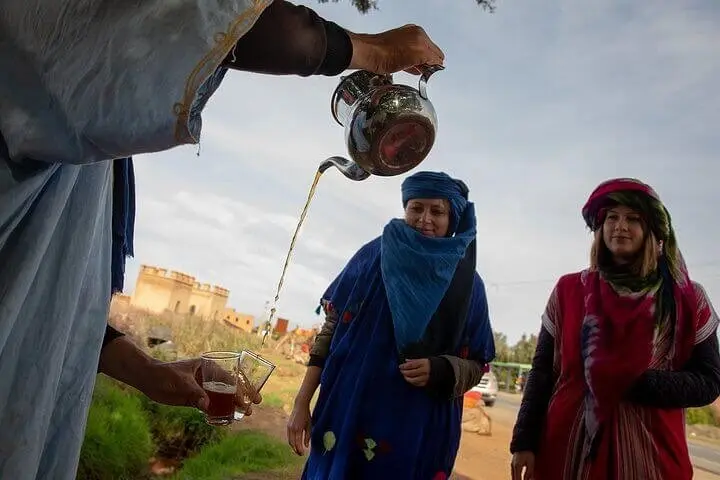
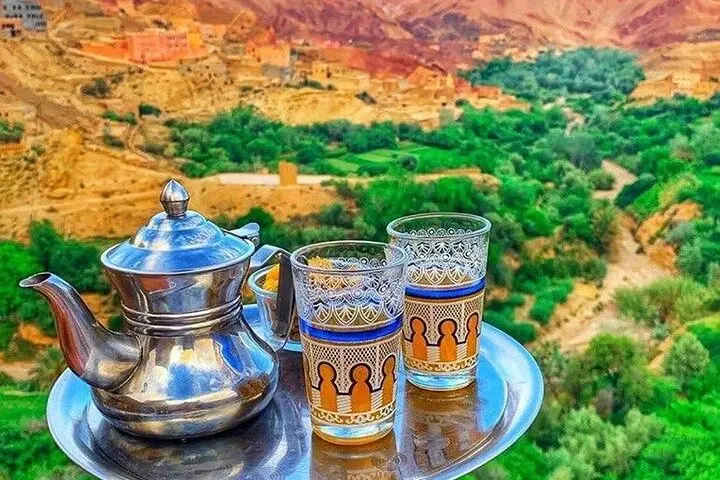
Setti Fatma sits at the edge of the Ourika Valley, an alluvial corridor carved from uplifted African crust where folded limestone and schist spill down into green terraces. Local Amazigh (Berber) communities have farmed these slopes for centuries; argan presses and women-run cooperatives remain central to the local economy and culture. The cooperative stop offers a hands-on view of argan oil production and a simple breakfast of mint tea, bread, oil, and honey.
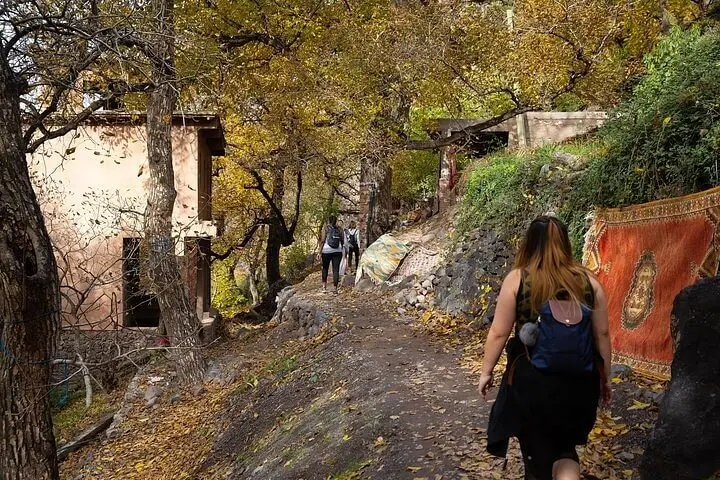
The guided walk to the waterfalls is short but varied: 2–4 km round trip, roughly 150–300 m of ascent depending on how many cascades you attempt, with rocky paths, stone steps, and occasional stream crossings. The river keeps a steady conversation as you climb, and the falls punctuate the route with cool spray and places to sit.
Practical notes: expect about a 45–60 minute drive each way from central Marrakech on a paved mountain road, plus a 7-hour total tour window. Wear grippy shoes, bring 1–2 liters of water, and carry cash for tea or souvenirs. The hike is approachable for most fitness levels but uneven underfoot; people with cardiovascular issues should take care. Plan mornings in spring or fall for cooler temps and clearer light, and remember to tread lightly—these valleys rely on respectful visitors to protect trails and water sources.
The minibus ride typically takes 45–60 minutes each way depending on traffic and exact pickup point in Marrakech.
The main waterfall route is short but uneven; children and older adults can usually manage it with frequent rests, but anyone with mobility limits should plan accordingly.
Yes, lunch is included—usually a riverside tagine or communal Moroccan dishes; request vegetarian options when you book and carry snacks if you have restrictive needs.
Yes, cooperatives sell handmade argan oil and related products—bring cash and ask about production methods if you prefer organic or raw-pressed varieties.
Marrakech Outdoor Trips operates guided outdoor trips and adventures with an emphasis on safety, stewardship, and memorable experiences.
The day begins before the city heat, leaving Marrakech's ochre walls as the road climbs toward the High Atlas. Windows frame terraces, stone villages, and the river that insists on cutting a route through the valley. By the time the minibus eases into Setti Fatma the mountain air has a sharpness to it; the stream ahead dares you to follow.
The day begins before the city heat, leaving Marrakech's ochre walls as the road climbs toward the High Atlas. Windows frame terraces, stone villages, and the river that insists on cutting a route through the valley. By the time the minibus eases into Setti Fatma the mountain air has a sharpness to it; the stream ahead dares you to follow.
Setti Fatma sits at the edge of the Ourika Valley, an alluvial corridor carved from uplifted African crust where folded limestone and schist spill down into green terraces. Local Amazigh (Berber) communities have farmed these slopes for centuries; argan presses and women-run cooperatives remain central to the local economy and culture. The cooperative stop offers a hands-on view of argan oil production and a simple breakfast of mint tea, bread, oil, and honey.
The guided walk to the waterfalls is short but varied: 2–4 km round trip, roughly 150–300 m of ascent depending on how many cascades you attempt, with rocky paths, stone steps, and occasional stream crossings. The river keeps a steady conversation as you climb, and the falls punctuate the route with cool spray and places to sit.
Practical notes: expect about a 45–60 minute drive each way from central Marrakech on a paved mountain road, plus a 7-hour total tour window. Wear grippy shoes, bring 1–2 liters of water, and carry cash for tea or souvenirs. The hike is approachable for most fitness levels but uneven underfoot; people with cardiovascular issues should take care. Plan mornings in spring or fall for cooler temps and clearer light, and remember to tread lightly—these valleys rely on respectful visitors to protect trails and water sources.