THE ADVENTURE COLLECTIVE® · Independent discovery and booking for outdoor travel

Escape Marrakech for a day in the High Atlas: short mountain hikes, tumbling waterfalls and an authentic Berber lunch in Imlil. This accessible day trip blends easy walking with cultural visits and panoramic alpine scenery.
Escape Marrakech for a day in the High Atlas: short mountain hikes, tumbling waterfalls and an authentic Berber lunch in Imlil. This accessible day trip blends easy walking with cultural visits and panoramic alpine scenery.
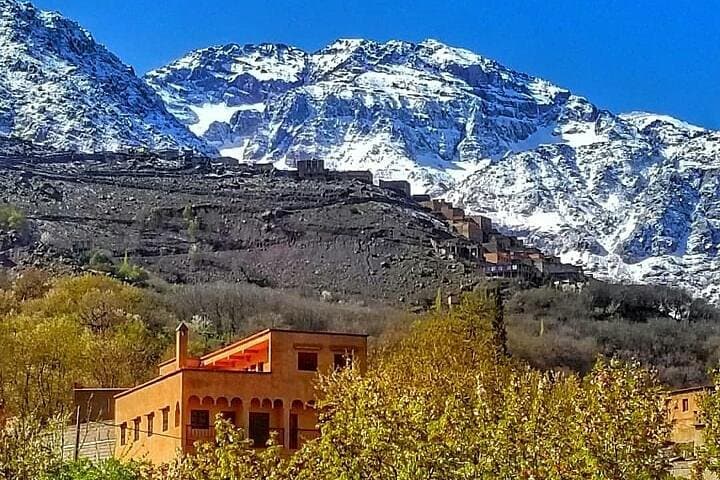
A diesel-scented minivan eases out of Marrakech before dawn and the city’s heat loosens its hold. The road climbs, olive groves recede and the High Atlas opens like a folded map: terraced fields, scattered stone houses and a valley that breathes cold, clear air. Imlil sits at roughly 1,740 m, a practical gateway to Mount Toubkal and a network of short trails that lead to waterfalls, Berber homesteads and panoramic ridgelines.
Verified experiences and guided adventures in the surrounding area.
Operated by Berber Paths · Imlil, Marrakesh-Safi
A diesel-scented minivan eases out of Marrakech before dawn and the city’s heat loosens its hold. The road climbs, olive groves recede and the High Atlas opens like a folded map: terraced fields, scattered stone houses and a valley that breathes cold, clear air. Imlil sits at roughly 1,740 m, a practical gateway to Mount Toubkal and a network of short trails that lead to waterfalls, Berber homesteads and panoramic ridgelines.
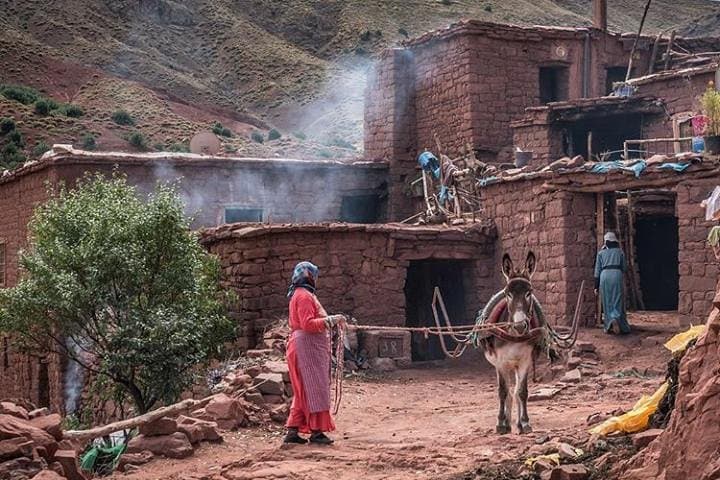
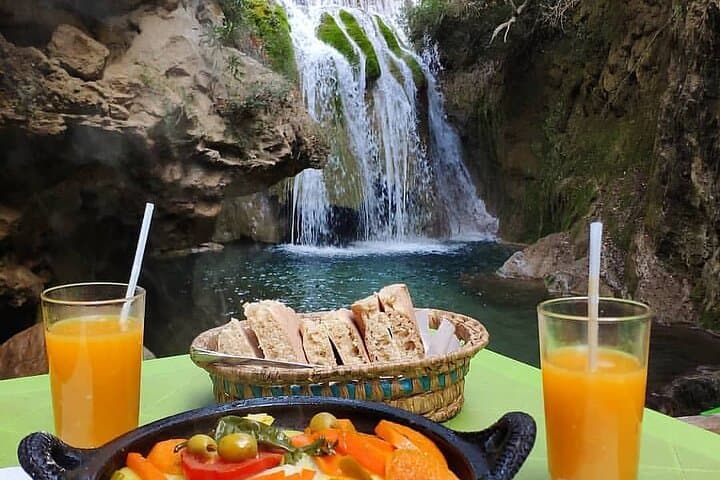
Geologically the High Atlas is young and rugged—uplifted by the African and Eurasian plates—so expect steep gullies, granite outcrops and quick changes in slope. Culturally, this is Amazigh country: families keep small flocks, clay-and-stone houses follow old footprints, and hospitality often means a shared cup of mint tea. The itinerary typically includes a guided stroll from Imlil to nearby cascades (2–6 km round trip), a visit with a Berber family and a tagine lunch.
Terrain alternates between paved village lanes, packed dirt tracks and stone steps; elevation gain on short waterfall hikes is usually 100–300 m, so shoes with grip and steady knees help. Drive time from Marrakech is about 1–1.5 hours each way—plan for an 8-hour day. Practicalities: bring layers for chilly mornings, sunscreen for exposed sections, and cash for small purchases or tips. Respect private yards, accept invitations courteously, and stick to marked paths to minimize erosion. The trip balances a low-impact walk with cultural exchange—accessible, scenic and rooted in daily mountain life.
Expect about 1–1.5 hours each way depending on traffic; the route climbs steadily into the Atlas foothills.
No—most waterfall walks are short (2–6 km round trip) with some stone steps and uneven ground; suitable for most fitness levels.
Yes—lunch (typically a tagine with chicken or vegetarian option, salad and dessert) and bottled water are included in the tour price.
The tour notes accessibility for infants and wheelchair users for transport and village areas, but some trail sections to waterfalls include steps and uneven terrain that may be unsuitable for wheelchairs.
Berber Paths operates guided outdoor trips and adventures with an emphasis on safety, stewardship, and memorable experiences.
A diesel-scented minivan eases out of Marrakech before dawn and the city’s heat loosens its hold. The road climbs, olive groves recede and the High Atlas opens like a folded map: terraced fields, scattered stone houses and a valley that breathes cold, clear air. Imlil sits at roughly 1,740 m, a practical gateway to Mount Toubkal and a network of short trails that lead to waterfalls, Berber homesteads and panoramic ridgelines.
A diesel-scented minivan eases out of Marrakech before dawn and the city’s heat loosens its hold. The road climbs, olive groves recede and the High Atlas opens like a folded map: terraced fields, scattered stone houses and a valley that breathes cold, clear air. Imlil sits at roughly 1,740 m, a practical gateway to Mount Toubkal and a network of short trails that lead to waterfalls, Berber homesteads and panoramic ridgelines.
Geologically the High Atlas is young and rugged—uplifted by the African and Eurasian plates—so expect steep gullies, granite outcrops and quick changes in slope. Culturally, this is Amazigh country: families keep small flocks, clay-and-stone houses follow old footprints, and hospitality often means a shared cup of mint tea. The itinerary typically includes a guided stroll from Imlil to nearby cascades (2–6 km round trip), a visit with a Berber family and a tagine lunch.
Terrain alternates between paved village lanes, packed dirt tracks and stone steps; elevation gain on short waterfall hikes is usually 100–300 m, so shoes with grip and steady knees help. Drive time from Marrakech is about 1–1.5 hours each way—plan for an 8-hour day. Practicalities: bring layers for chilly mornings, sunscreen for exposed sections, and cash for small purchases or tips. Respect private yards, accept invitations courteously, and stick to marked paths to minimize erosion. The trip balances a low-impact walk with cultural exchange—accessible, scenic and rooted in daily mountain life.