THE ADVENTURE COLLECTIVE® · Independent discovery and booking for outdoor travel

Leave Marrakech’s noise for a day and climb into the High Atlas: walk past waterfalls in Imlil, visit Berber argan cooperatives, enjoy a home-cooked lunch, and spot Toubkal’s jagged silhouette. This flexible day trip mixes easy hikes, mule options and cultural stops.
Leave Marrakech’s noise for a day and climb into the High Atlas: walk past waterfalls in Imlil, visit Berber argan cooperatives, enjoy a home-cooked lunch, and spot Toubkal’s jagged silhouette. This flexible day trip mixes easy hikes, mule options and cultural stops.
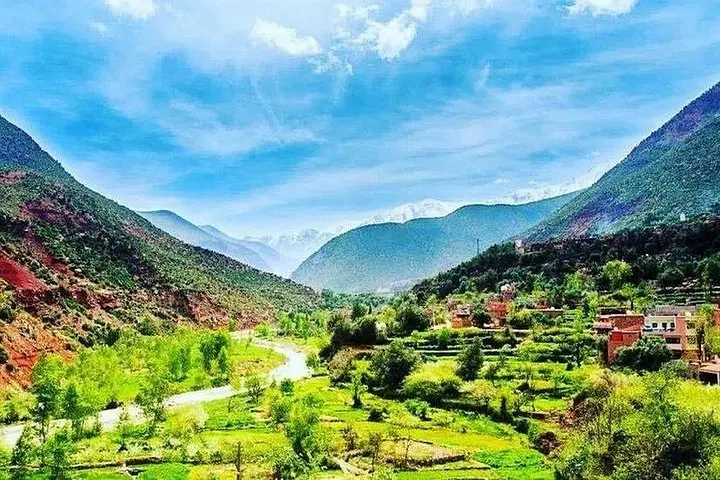
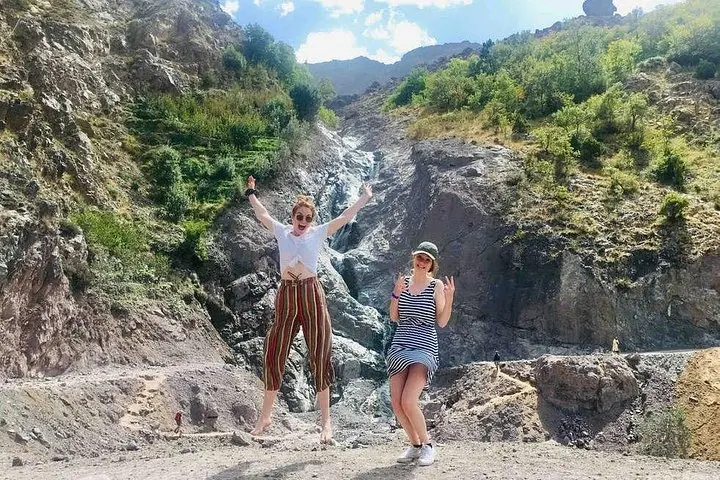
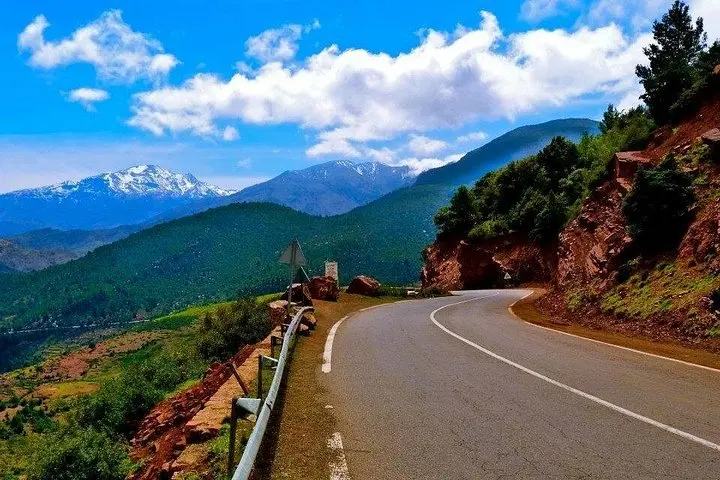
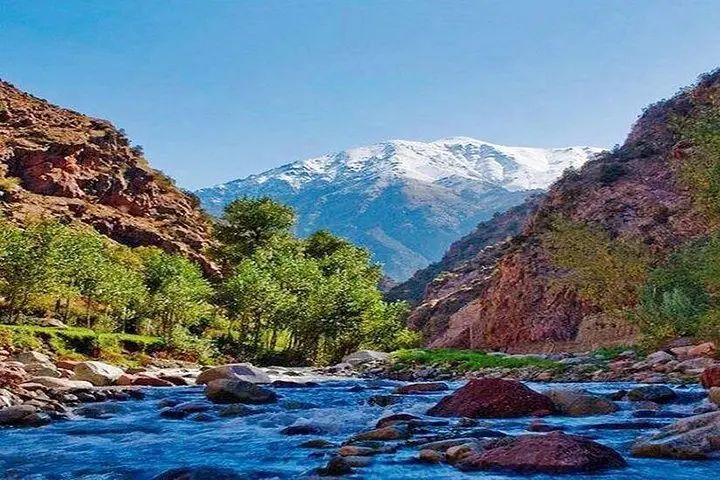
The road out of Marrakech narrows and climbs, olive and argan trees leaning like quiet guides as the atlas escarpment rises into view. By midmorning the vehicle drops you in a valley where water still dares to run loud: streams cut through terraced fields and a string of waterfalls throws cool mist into the sun. You can choose to hike, take a mule or ride to the lookout—each path threads through adobe Berber villages and orchards that smell of apples and almonds.
Verified experiences and guided adventures in the surrounding area.
Operated by Atlas Mountains Guided Tour · Marrakech, Marrakech-Safi
The road out of Marrakech narrows and climbs, olive and argan trees leaning like quiet guides as the atlas escarpment rises into view. By midmorning the vehicle drops you in a valley where water still dares to run loud: streams cut through terraced fields and a string of waterfalls throws cool mist into the sun. You can choose to hike, take a mule or ride to the lookout—each path threads through adobe Berber villages and orchards that smell of apples and almonds.
Geology here is immediate: folded sedimentary layers and granitic domes dominate the High Atlas, with Jebel Toubkal standing as North Africa’s highest peak. Human history runs alongside those slopes—Amazigh (Berber) families have farmed and shepherded these valleys for centuries, and small cooperatives now press argan nuts into oil in front of visitors.
Expect three contrasting valleys: lush, irrigated floors with waterfalls; the stony, higher track toward Imlil at ~1,800 m; and the fruit-filled Ait Souka orchards framed by Toubkal’s profile. Guides often include a home-cooked Berber lunch and a short camel ride at a lower-elevation stop—simple, filling, and local.
Practical notes: start early to avoid heat and crowds, wear sturdy shoes for uneven trails, carry at least 1–2 liters of water, and bring cash for cooperatives and tips. If you’re sensitive to altitude, pace the noon hike; otherwise the day is accessible for most fit travelers. The route balances cultural contact with straightforward mountain walking—an efficient way to trade Marrakech’s bustle for highland sky.
This listing is a shared small-group tour with up to about 10 travelers; private options may be available on request.
Hiking difficulty ranges from easy village walks to moderate climbs near Imlil—mule or driving options are available for less strenuous alternatives.
Yes; a typical Berber home lunch and tea are included, along with bottled water and coffee or tea at stops.
The tour notes it is not recommended for people with serious spinal or cardiovascular conditions; contact the operator to discuss accommodations.
Atlas Mountains Guided Tour operates guided outdoor trips and adventures with an emphasis on safety, stewardship, and memorable experiences.
The road out of Marrakech narrows and climbs, olive and argan trees leaning like quiet guides as the atlas escarpment rises into view. By midmorning the vehicle drops you in a valley where water still dares to run loud: streams cut through terraced fields and a string of waterfalls throws cool mist into the sun. You can choose to hike, take a mule or ride to the lookout—each path threads through adobe Berber villages and orchards that smell of apples and almonds.
The road out of Marrakech narrows and climbs, olive and argan trees leaning like quiet guides as the atlas escarpment rises into view. By midmorning the vehicle drops you in a valley where water still dares to run loud: streams cut through terraced fields and a string of waterfalls throws cool mist into the sun. You can choose to hike, take a mule or ride to the lookout—each path threads through adobe Berber villages and orchards that smell of apples and almonds.
Geology here is immediate: folded sedimentary layers and granitic domes dominate the High Atlas, with Jebel Toubkal standing as North Africa’s highest peak. Human history runs alongside those slopes—Amazigh (Berber) families have farmed and shepherded these valleys for centuries, and small cooperatives now press argan nuts into oil in front of visitors.
Expect three contrasting valleys: lush, irrigated floors with waterfalls; the stony, higher track toward Imlil at ~1,800 m; and the fruit-filled Ait Souka orchards framed by Toubkal’s profile. Guides often include a home-cooked Berber lunch and a short camel ride at a lower-elevation stop—simple, filling, and local.
Practical notes: start early to avoid heat and crowds, wear sturdy shoes for uneven trails, carry at least 1–2 liters of water, and bring cash for cooperatives and tips. If you’re sensitive to altitude, pace the noon hike; otherwise the day is accessible for most fit travelers. The route balances cultural contact with straightforward mountain walking—an efficient way to trade Marrakech’s bustle for highland sky.