THE ADVENTURE COLLECTIVE® · Independent discovery and booking for outdoor travel

Spend a full day trading Marrakech’s heat for High Atlas air: three valleys, rushing streams, ancient Berber villages and an argan cooperative visit. This practical day trip combines easy village walks with waterfall views and cultural exchanges.
Spend a full day trading Marrakech’s heat for High Atlas air: three valleys, rushing streams, ancient Berber villages and an argan cooperative visit. This practical day trip combines easy village walks with waterfall views and cultural exchanges.
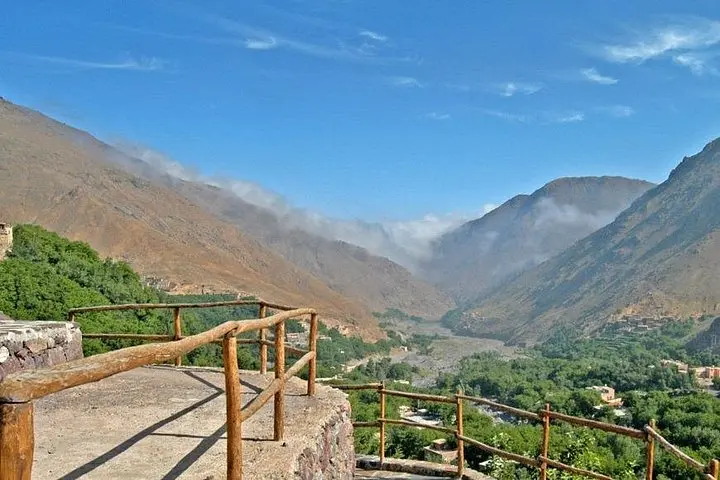
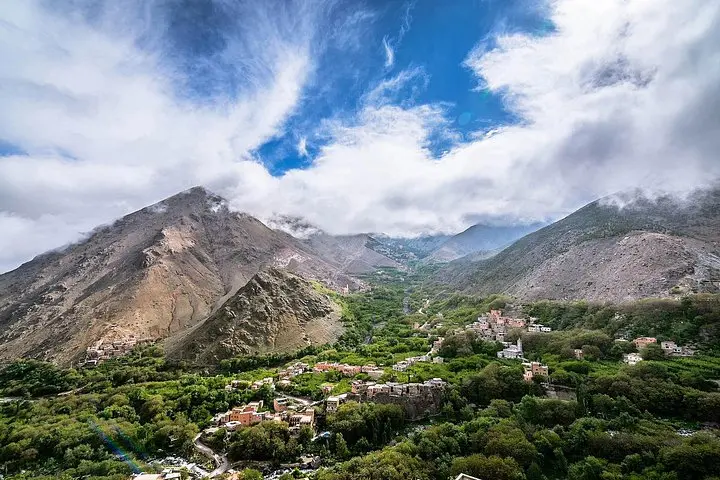
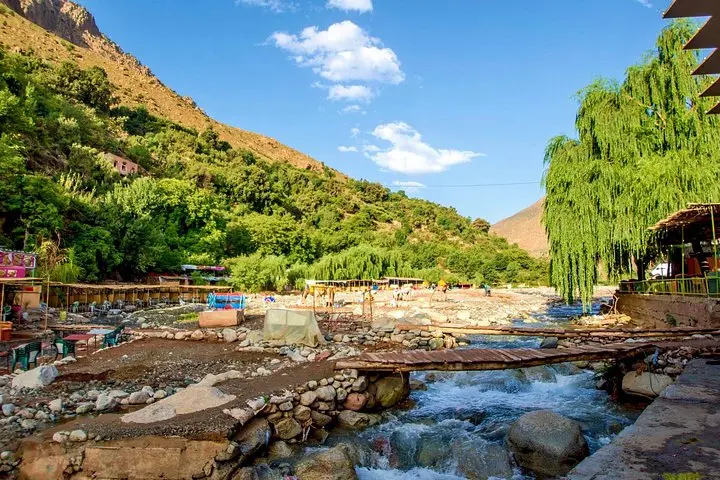
You leave the bustle of Marrakech with cedar-scented wind at your back and the High Atlas rising like a series of grey-blue steps ahead. The road climbs; terraces and stone houses slide past the window until the valleys open — Asni, Moulay Brahim and Ourika — each presenting a different rhythm of water, rock and human life. Rivers dare you to follow them toward small waterfalls, while argan trees dot the slopes and cooperative women welcome visitors with a practiced hospitality.
Verified experiences and guided adventures in the surrounding area.
Operated by Morocco Safe Tours · Marrakech, Marrakech-Safi
You leave the bustle of Marrakech with cedar-scented wind at your back and the High Atlas rising like a series of grey-blue steps ahead. The road climbs; terraces and stone houses slide past the window until the valleys open — Asni, Moulay Brahim and Ourika — each presenting a different rhythm of water, rock and human life. Rivers dare you to follow them toward small waterfalls, while argan trees dot the slopes and cooperative women welcome visitors with a practiced hospitality.
These valleys trace a long human story: Amazigh (Berber) communities shaped the terraces, ancient mule tracks still cross low passes, and argan pressing remains a home-industry turned social enterprise. Geologically, the High Atlas is uplifted limestone and schist — eroded to sharp ridgelines and narrow river gorges — that collects winter snow and feeds the streams that animate the valleys through spring.
Expect short village walks, a visit to an argan cooperative to learn traditional oil pressing, and overlooks that frame green bands of cultivation against bare rock. The trip is cultural as much as scenic; you’ll encounter families hosting mint tea and simple home-cooked fare.
Practical guidance: wear sturdy shoes for uneven village lanes, carry 1–2 liters of water and small bills for purchases and tips, and bring layers — mountain weather shifts quickly. Aim for a morning departure to capture soft light at the waterfalls and avoid late-afternoon traffic back to Marrakech. Respect local customs, keep to paths, and choose cooperatives that directly support local women to ensure your visit benefits the communities you meet.
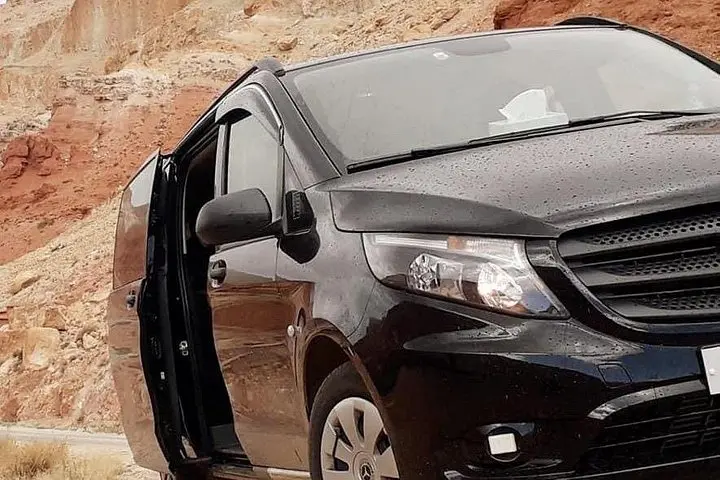
Most operators include private pickup from central Marrakech hotels—confirm your exact pickup point when booking.
Expect short walks around villages and to viewpoints or waterfalls; nothing strenuous, but surfaces are uneven.
Typical itineraries include time at a Berber family or local cafe for tea; ask the operator whether lunch or tasting is included or pay locally.
Yes—this day trip is rated easy; bring a stroller for small children where roads permit or ask about child seating in the vehicle.
Morocco Safe Tours operates guided outdoor trips and adventures with an emphasis on safety, stewardship, and memorable experiences.
You leave the bustle of Marrakech with cedar-scented wind at your back and the High Atlas rising like a series of grey-blue steps ahead. The road climbs; terraces and stone houses slide past the window until the valleys open — Asni, Moulay Brahim and Ourika — each presenting a different rhythm of water, rock and human life. Rivers dare you to follow them toward small waterfalls, while argan trees dot the slopes and cooperative women welcome visitors with a practiced hospitality.
You leave the bustle of Marrakech with cedar-scented wind at your back and the High Atlas rising like a series of grey-blue steps ahead. The road climbs; terraces and stone houses slide past the window until the valleys open — Asni, Moulay Brahim and Ourika — each presenting a different rhythm of water, rock and human life. Rivers dare you to follow them toward small waterfalls, while argan trees dot the slopes and cooperative women welcome visitors with a practiced hospitality.
These valleys trace a long human story: Amazigh (Berber) communities shaped the terraces, ancient mule tracks still cross low passes, and argan pressing remains a home-industry turned social enterprise. Geologically, the High Atlas is uplifted limestone and schist — eroded to sharp ridgelines and narrow river gorges — that collects winter snow and feeds the streams that animate the valleys through spring.
Expect short village walks, a visit to an argan cooperative to learn traditional oil pressing, and overlooks that frame green bands of cultivation against bare rock. The trip is cultural as much as scenic; you’ll encounter families hosting mint tea and simple home-cooked fare.
Practical guidance: wear sturdy shoes for uneven village lanes, carry 1–2 liters of water and small bills for purchases and tips, and bring layers — mountain weather shifts quickly. Aim for a morning departure to capture soft light at the waterfalls and avoid late-afternoon traffic back to Marrakech. Respect local customs, keep to paths, and choose cooperatives that directly support local women to ensure your visit benefits the communities you meet.