THE ADVENTURE COLLECTIVE® · Independent discovery and booking for outdoor travel

Escape Marrakech for a day in the High Atlas: argan cooperatives, a short camel ride, and an easy hike to mountain waterfalls with a traditional Berber lunch. Practical tips on timing, footwear, and mule options help you plan the perfect day trip.
Escape Marrakech for a day in the High Atlas: argan cooperatives, a short camel ride, and an easy hike to mountain waterfalls with a traditional Berber lunch. Practical tips on timing, footwear, and mule options help you plan the perfect day trip.
The minibus peels away from Marrakech and the city’s mosaic of ochre buildings gives way to terraced orchards and serrated limestone ridges. Within an hour the air sharpens; argan trees and scrub dot the roadside and the High Atlas climbs above, daring you to look higher. A short stop at an argan cooperative introduces the hard-won craft of Berber women, then a camel stands ready for a quick ride that feels more like a local curtain-raiser than the main event.
Verified experiences and guided adventures in the surrounding area.
Operated by Service Marrakech Tickets · Imlil, Marrakesh-Safi
The minibus peels away from Marrakech and the city’s mosaic of ochre buildings gives way to terraced orchards and serrated limestone ridges. Within an hour the air sharpens; argan trees and scrub dot the roadside and the High Atlas climbs above, daring you to look higher. A short stop at an argan cooperative introduces the hard-won craft of Berber women, then a camel stands ready for a quick ride that feels more like a local curtain-raiser than the main event.
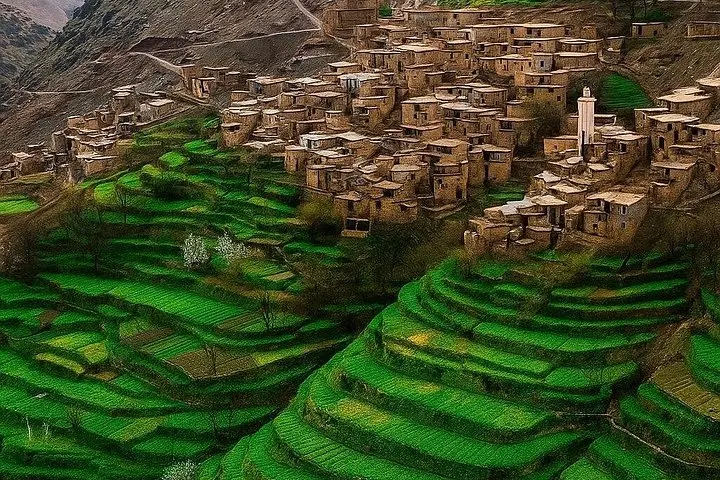
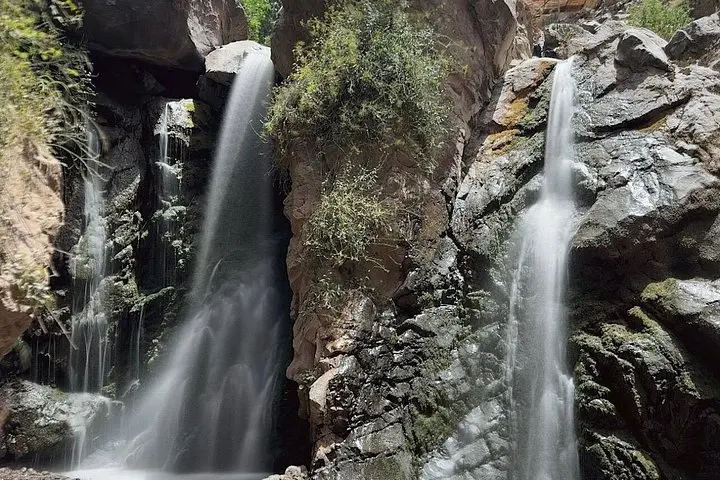
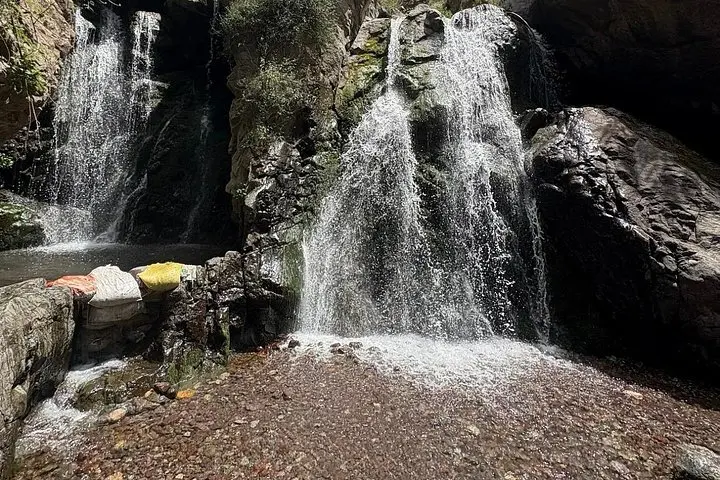
Deeper into the Imlil and Asni valleys, trails narrow and the village roofs huddle against steep slopes. The waterfalls you approach are fed by mountain snowmelt—part of a landscape shaped by tectonic uplift and erosion that created Morocco’s highest peaks. Local Berber communities have farmed these slopes for centuries; lunch in Ait Souka offers tagine and couscous and a window into daily life.
Practical guidance: expect about 45–60 minutes of walking to the main falls on dirt tracks with some short rocky sections—roughly 2–4 km round trip and an elevation around 1,700–1,900 m. Mules are available for those who prefer not to hike. Bring sturdy shoes, layered clothing (temperature drops with altitude), sunscreen and at least 1–2 liters of water.
Timing matters: start early to avoid midday heat and crowded stops, and keep cash for small purchases and tips. The route is accessible for most fitness levels but is not recommended for those with serious back or heart conditions. With a knowledgeable guide and a flexible pace, this day trip blends geology, culture and manageable mountain walking into a single, rewarding outing.
The main walk is around 45–60 minutes each way depending on pace—about 2–4 km on uneven tracks with short rocky sections.
Yes—mules are available locally and the guide can arrange rental for sections of the route for those who prefer not to hike.
Pickup from Marrakech accommodations is typically included; confirm your pickup point when booking and be ready at the agreed time.
A traditional Berber lunch is usually offered (optional in some bookings), and simple restroom facilities and tea stops exist in villages—carry hand sanitizer and small change.
Service Marrakech Tickets operates guided outdoor trips and adventures with an emphasis on safety, stewardship, and memorable experiences.
The minibus peels away from Marrakech and the city’s mosaic of ochre buildings gives way to terraced orchards and serrated limestone ridges. Within an hour the air sharpens; argan trees and scrub dot the roadside and the High Atlas climbs above, daring you to look higher. A short stop at an argan cooperative introduces the hard-won craft of Berber women, then a camel stands ready for a quick ride that feels more like a local curtain-raiser than the main event.
The minibus peels away from Marrakech and the city’s mosaic of ochre buildings gives way to terraced orchards and serrated limestone ridges. Within an hour the air sharpens; argan trees and scrub dot the roadside and the High Atlas climbs above, daring you to look higher. A short stop at an argan cooperative introduces the hard-won craft of Berber women, then a camel stands ready for a quick ride that feels more like a local curtain-raiser than the main event.
Deeper into the Imlil and Asni valleys, trails narrow and the village roofs huddle against steep slopes. The waterfalls you approach are fed by mountain snowmelt—part of a landscape shaped by tectonic uplift and erosion that created Morocco’s highest peaks. Local Berber communities have farmed these slopes for centuries; lunch in Ait Souka offers tagine and couscous and a window into daily life.
Practical guidance: expect about 45–60 minutes of walking to the main falls on dirt tracks with some short rocky sections—roughly 2–4 km round trip and an elevation around 1,700–1,900 m. Mules are available for those who prefer not to hike. Bring sturdy shoes, layered clothing (temperature drops with altitude), sunscreen and at least 1–2 liters of water.
Timing matters: start early to avoid midday heat and crowded stops, and keep cash for small purchases and tips. The route is accessible for most fitness levels but is not recommended for those with serious back or heart conditions. With a knowledgeable guide and a flexible pace, this day trip blends geology, culture and manageable mountain walking into a single, rewarding outing.