THE ADVENTURE COLLECTIVE® · Independent discovery and booking for outdoor travel

Escape Marrakech for a manageable day in the High Atlas: argan cooperatives, riverside tagines and a guided hike to the Setti Fatma waterfalls in the Ourika Valley. This accessible trip pairs cultural visits with scenic, short mountain walks.
Escape Marrakech for a manageable day in the High Atlas: argan cooperatives, riverside tagines and a guided hike to the Setti Fatma waterfalls in the Ourika Valley. This accessible trip pairs cultural visits with scenic, short mountain walks.
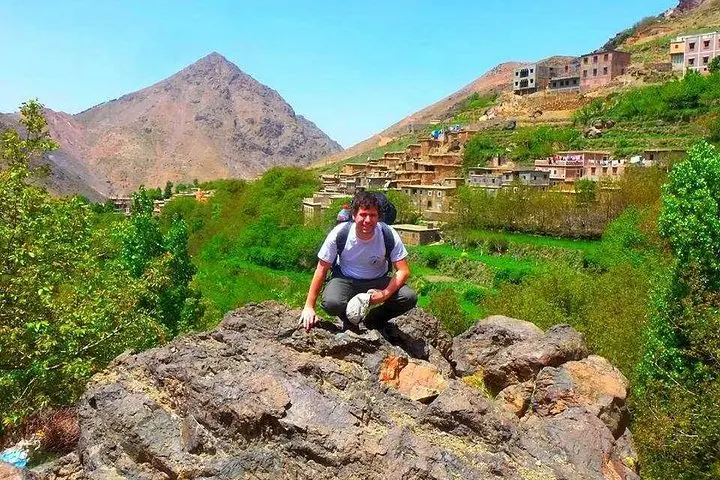
You leave the bustle of Jemaa el-Fnaa behind and, within an hour, the city gives way to terraces, olive groves and the rising ribs of the High Atlas. The road climbs; windows frame stone villages and gullies where streams have carved green seams. At a women's argan cooperative the scent of roasting nuts and mint tea fills the air, then the guide leads you deeper into the valley toward Setti Fatma and its cascade-laced slopes.
Verified experiences and guided adventures in the surrounding area.
Operated by Targa Travel & Trekkinginmorocco · Setti Fatma, Marrakesh-Safi
You leave the bustle of Jemaa el-Fnaa behind and, within an hour, the city gives way to terraces, olive groves and the rising ribs of the High Atlas. The road climbs; windows frame stone villages and gullies where streams have carved green seams. At a women's argan cooperative the scent of roasting nuts and mint tea fills the air, then the guide leads you deeper into the valley toward Setti Fatma and its cascade-laced slopes.
The Atlas here is young mountain geology—folded limestone and schist uplifted by tectonic pressure—fed by winter rains and spring melt that swell the gullies into loud, pebble-strewn streams. The valley is inhabited by Berber communities whose agriculture and argan production have shaped local life for centuries; the cooperative stop offers a clear line between tradition and the small-scale visitor economy.
The hike to the waterfalls is short but stepping: rocky tracks, wooden bridges and occasional steep steps beside the stream. Water dares you onward, pooling before each drop, and the main cascades make a satisfying payoff for steady footing. Lunch beside the river favors tagine, salads and fresh bread—simple, filling and locally sourced.
Practical guidance: wear grippy shoes and bring a refillable bottle, as water sources on-trail are limited. Morning departures avoid afternoon heat and leave time for photos and a measured pace on the slopes. Respect local customs at cooperative visits—ask before photographing people—and keep to marked paths to protect fragile terraces. This day trip balances cultural insight and accessible mountain walking, ideal for travelers wanting a manageable taste of the High Atlas without overnight logistics.
The guided walk is typically 30–60 minutes round trip to the main cascades, on uneven terrain with several steps and streamside paths.
Yes—this tour is rated easy to moderate; children and older travelers can participate but should be comfortable on uneven paths and stairs.
Yes—the tour includes lunch and round-trip transport from Marrakech in an air-conditioned vehicle, plus hotel pickup where specified.
Yes—cooperatives sell locally produced argan oil and products; buying directly supports local women’s businesses, and polite bargaining is common.
Targa Travel & Trekkinginmorocco operates guided outdoor trips and adventures with an emphasis on safety, stewardship, and memorable experiences.
You leave the bustle of Jemaa el-Fnaa behind and, within an hour, the city gives way to terraces, olive groves and the rising ribs of the High Atlas. The road climbs; windows frame stone villages and gullies where streams have carved green seams. At a women's argan cooperative the scent of roasting nuts and mint tea fills the air, then the guide leads you deeper into the valley toward Setti Fatma and its cascade-laced slopes.
You leave the bustle of Jemaa el-Fnaa behind and, within an hour, the city gives way to terraces, olive groves and the rising ribs of the High Atlas. The road climbs; windows frame stone villages and gullies where streams have carved green seams. At a women's argan cooperative the scent of roasting nuts and mint tea fills the air, then the guide leads you deeper into the valley toward Setti Fatma and its cascade-laced slopes.
The Atlas here is young mountain geology—folded limestone and schist uplifted by tectonic pressure—fed by winter rains and spring melt that swell the gullies into loud, pebble-strewn streams. The valley is inhabited by Berber communities whose agriculture and argan production have shaped local life for centuries; the cooperative stop offers a clear line between tradition and the small-scale visitor economy.
The hike to the waterfalls is short but stepping: rocky tracks, wooden bridges and occasional steep steps beside the stream. Water dares you onward, pooling before each drop, and the main cascades make a satisfying payoff for steady footing. Lunch beside the river favors tagine, salads and fresh bread—simple, filling and locally sourced.
Practical guidance: wear grippy shoes and bring a refillable bottle, as water sources on-trail are limited. Morning departures avoid afternoon heat and leave time for photos and a measured pace on the slopes. Respect local customs at cooperative visits—ask before photographing people—and keep to marked paths to protect fragile terraces. This day trip balances cultural insight and accessible mountain walking, ideal for travelers wanting a manageable taste of the High Atlas without overnight logistics.