THE ADVENTURE COLLECTIVE® · Independent discovery and booking for outdoor travel

Cross the High Atlas from Marrakech to Merzouga in four days of kasbahs, river gorges, fossil beds and high dunes. This overland route blends geology and living culture with a private Sahara camp and camel ride at sunset.
Cross the High Atlas from Marrakech to Merzouga in four days of kasbahs, river gorges, fossil beds and high dunes. This overland route blends geology and living culture with a private Sahara camp and camel ride at sunset.
A low morning sun slices the High Atlas as the convoy climbs Tizi n’Tichka; lavender-tinted rock and the smell of heated thyme follow the road down toward ochre kasbahs and river palms. Over four days travelers move from Marrakech’s lively medina to the cool cliffs of the Dades and Todra gorges, then into Merzouga’s sea of sand where dunes flex with every wind.
Verified experiences and guided adventures in the surrounding area.
Operated by Sirius Adventures · Merzouga, Drâa-Tafilalet
A low morning sun slices the High Atlas as the convoy climbs Tizi n’Tichka; lavender-tinted rock and the smell of heated thyme follow the road down toward ochre kasbahs and river palms. Over four days travelers move from Marrakech’s lively medina to the cool cliffs of the Dades and Todra gorges, then into Merzouga’s sea of sand where dunes flex with every wind.
The route threads centuries of human geography: Aït Ben Haddou’s adobe ramparts recall caravan-era trade across the trans-Saharan routes, while the rose gardens of Kelaat M’Gouna and the palm-lined Draa Valley show how water shapes settlement in an arid land. Geology is visible at scale — folded Atlas limestone, volcanic plateaus and wind-sculpted sand that migrates by the hour. Cultural highlights include Gnawa music in Khamlia and Erfoud’s fossil trade, where ancient seas left imprints now quarried and traded locally.
Practically, expect long drive segments punctuated with short hikes, photography stops, a two-hour canyon walk in Todra and a sunset camel ride to a private desert camp. Nights are cold in the Sahara even after hot days; layers are non-negotiable. Carry ample water, sun protection and cash for small purchases in villages. Footwear should handle sand and rocky gorges.
This trip suits travelers who want rugged landscapes with cultural touchpoints rather than technical challenges: it’s about pacing, sensory contrasts and straightforward logistics — an overland recipe of mountains, kasbahs and dunes that rewards curiosity and preparation.
Expect several hours of driving most days, with stops every 1–2 hours for sights; the full route is overland covering ~800–900 km round trip depending on exact stops.
Camel rides are bumpy and involve mounting/dismounting from a high saddle; travelers with serious back issues should discuss alternatives with the operator before booking.
The itinerary includes simple local guesthouses or inns in the gorges and a private Sahara comfort camp for the desert night with basic amenities and dinner included.
Children can join, but the tour involves long drives and desert conditions; check operator age policies and consider comfort with camels and nighttime cold.
Sirius Adventures operates guided outdoor trips and adventures with an emphasis on safety, stewardship, and memorable experiences.
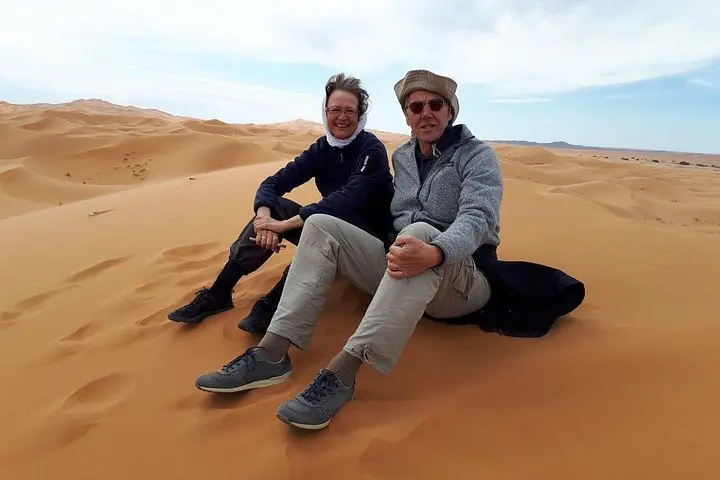
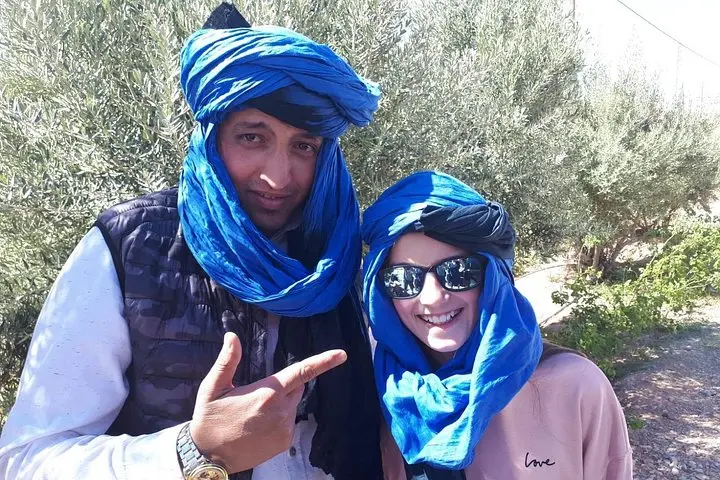
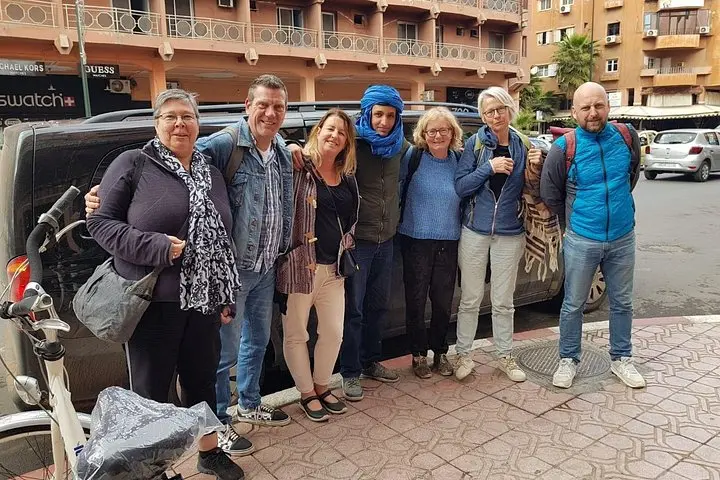
A low morning sun slices the High Atlas as the convoy climbs Tizi n’Tichka; lavender-tinted rock and the smell of heated thyme follow the road down toward ochre kasbahs and river palms. Over four days travelers move from Marrakech’s lively medina to the cool cliffs of the Dades and Todra gorges, then into Merzouga’s sea of sand where dunes flex with every wind.
A low morning sun slices the High Atlas as the convoy climbs Tizi n’Tichka; lavender-tinted rock and the smell of heated thyme follow the road down toward ochre kasbahs and river palms. Over four days travelers move from Marrakech’s lively medina to the cool cliffs of the Dades and Todra gorges, then into Merzouga’s sea of sand where dunes flex with every wind.
The route threads centuries of human geography: Aït Ben Haddou’s adobe ramparts recall caravan-era trade across the trans-Saharan routes, while the rose gardens of Kelaat M’Gouna and the palm-lined Draa Valley show how water shapes settlement in an arid land. Geology is visible at scale — folded Atlas limestone, volcanic plateaus and wind-sculpted sand that migrates by the hour. Cultural highlights include Gnawa music in Khamlia and Erfoud’s fossil trade, where ancient seas left imprints now quarried and traded locally.
Practically, expect long drive segments punctuated with short hikes, photography stops, a two-hour canyon walk in Todra and a sunset camel ride to a private desert camp. Nights are cold in the Sahara even after hot days; layers are non-negotiable. Carry ample water, sun protection and cash for small purchases in villages. Footwear should handle sand and rocky gorges.
This trip suits travelers who want rugged landscapes with cultural touchpoints rather than technical challenges: it’s about pacing, sensory contrasts and straightforward logistics — an overland recipe of mountains, kasbahs and dunes that rewards curiosity and preparation.