THE ADVENTURE COLLECTIVE® · Independent discovery and booking for outdoor travel

Cross the High Atlas and sleep beneath the Erg Chebbi stars on this five-day Marrakech loop. Expect mountain passes, gorges, kasbahs and a classic camel trek into the Sahara.
Cross the High Atlas and sleep beneath the Erg Chebbi stars on this five-day Marrakech loop. Expect mountain passes, gorges, kasbahs and a classic camel trek into the Sahara.
You leave Marrakech before sunrise, the medina’s chaos shrinking behind you as the road climbs toward the High Atlas. Juniper-scented passes cut into the sky and village roofs shrink to tufts of ochre; later the desert opens in waves, dunes shifting like a living sculpture daring you to cross them.
Verified experiences and guided adventures in the surrounding area.
Operated by Things To Do From Marrakech · Marrakech, Marrakesh-Safi
You leave Marrakech before sunrise, the medina’s chaos shrinking behind you as the road climbs toward the High Atlas. Juniper-scented passes cut into the sky and village roofs shrink to tufts of ochre; later the desert opens in waves, dunes shifting like a living sculpture daring you to cross them.
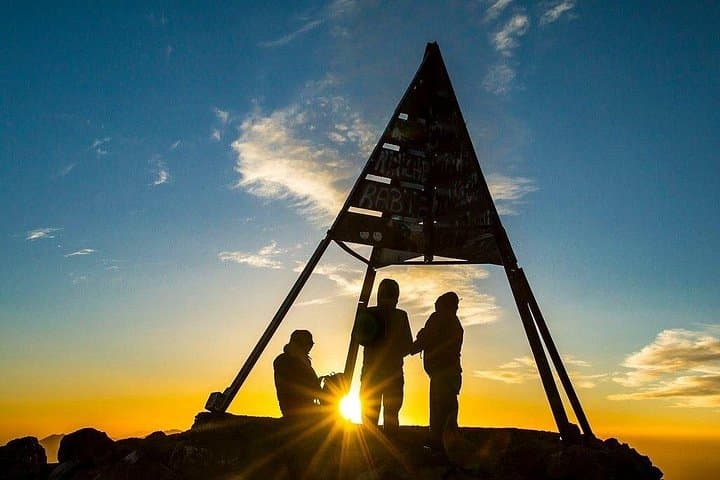
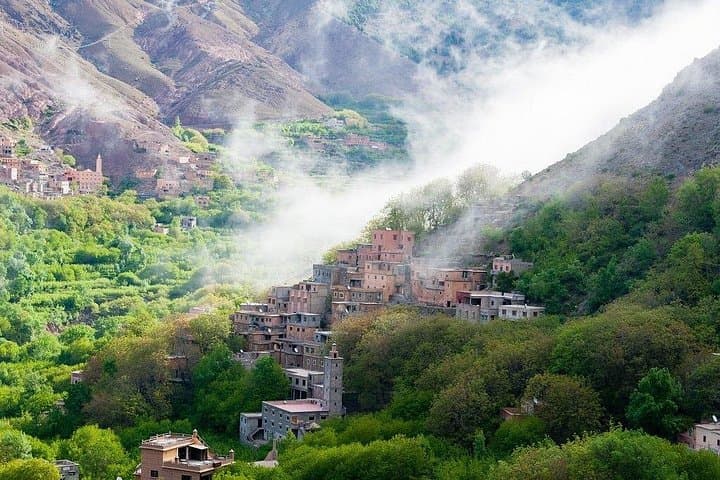
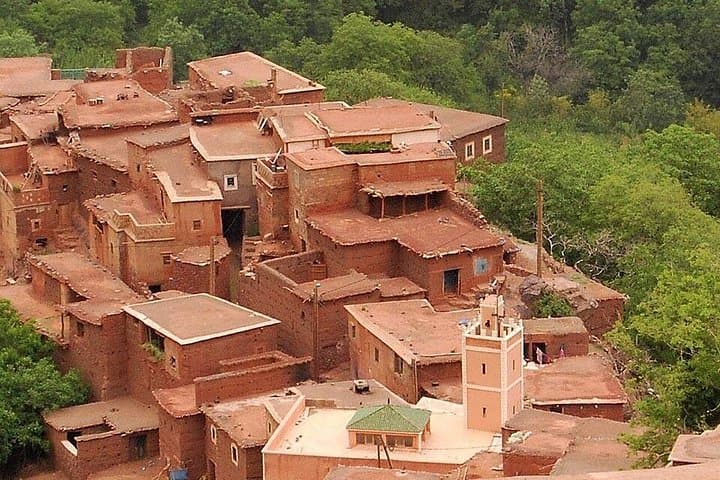
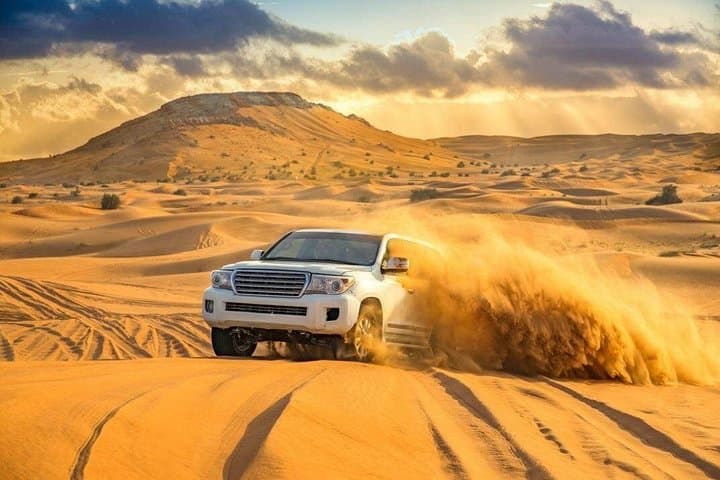
This five-day route stitches together two contrasting Moroccan landscapes. The High Atlas is volcanic and folded—Tizi Mzik (2,684 m) and Tizi n’Ticka expose metamorphic ridgelines, deep valleys and juniper forests where Berber villages cluster around rivers and walnut groves. Eastward, the geology loosens into the rocky hammada and the wind-sculpted Erg Chebbi dunes outside Merzouga. Along the way you’ll pass kasbahs built from local mud brick, witness the legacy of trans-Saharan trade routes and encounter Berber hospitality in riads, guesthouses and a nomad camp.
Expect daily walking sections of 3–5 hours on varied terrain—stone tracks, mountain passes and palm-lined gorges—plus long drives over scenic passes and through arid plains. Highlights include Tamsoulte waterfalls, Todra Gorge hikes, and a sunset camel trek to a desert camp with a sunrise ride back to Merzouga.
Practical guidance: bring a light but warm layering system for cold desert nights and higher passes, a good pair of trekking boots for uneven trails, and sun protection for long exposed sections. Hydrate before and during drives; plan for early starts and flexible pacing for altitude and heat. Travel with a local guide to navigate routes, cultural context and camp logistics.
No technical skill is required; camel rides are slow-paced and guided—most people find them physically easy, though mounting and sitting in a saddle can be awkward at first.
Nights alternate between riads or guesthouses in villages and a desert camp where you sleep in tents or shared nomad-style beds; facilities vary from basic to comfortable.
Passes reach around 2,600–2,700 m—most travelers tolerate this without issue but allow time to acclimatize if you have cardiorespiratory concerns.
Local operators typically accommodate common dietary requests with prior notice—use the booking’s special requirements field to specify allergies or preferences.
Things To Do From Marrakech operates guided outdoor trips and adventures with an emphasis on safety, stewardship, and memorable experiences.
You leave Marrakech before sunrise, the medina’s chaos shrinking behind you as the road climbs toward the High Atlas. Juniper-scented passes cut into the sky and village roofs shrink to tufts of ochre; later the desert opens in waves, dunes shifting like a living sculpture daring you to cross them.
You leave Marrakech before sunrise, the medina’s chaos shrinking behind you as the road climbs toward the High Atlas. Juniper-scented passes cut into the sky and village roofs shrink to tufts of ochre; later the desert opens in waves, dunes shifting like a living sculpture daring you to cross them.
This five-day route stitches together two contrasting Moroccan landscapes. The High Atlas is volcanic and folded—Tizi Mzik (2,684 m) and Tizi n’Ticka expose metamorphic ridgelines, deep valleys and juniper forests where Berber villages cluster around rivers and walnut groves. Eastward, the geology loosens into the rocky hammada and the wind-sculpted Erg Chebbi dunes outside Merzouga. Along the way you’ll pass kasbahs built from local mud brick, witness the legacy of trans-Saharan trade routes and encounter Berber hospitality in riads, guesthouses and a nomad camp.
Expect daily walking sections of 3–5 hours on varied terrain—stone tracks, mountain passes and palm-lined gorges—plus long drives over scenic passes and through arid plains. Highlights include Tamsoulte waterfalls, Todra Gorge hikes, and a sunset camel trek to a desert camp with a sunrise ride back to Merzouga.
Practical guidance: bring a light but warm layering system for cold desert nights and higher passes, a good pair of trekking boots for uneven trails, and sun protection for long exposed sections. Hydrate before and during drives; plan for early starts and flexible pacing for altitude and heat. Travel with a local guide to navigate routes, cultural context and camp logistics.