THE ADVENTURE COLLECTIVE® · Independent discovery and booking for outdoor travel

This seven-day guided circuit from Aït Bouguemez crosses high passes to the northern plateau beneath Jebel M’Goun, with an optional summit at 4,068 m. Expect multi-day camping, mule support, and full days of varied terrain through Berber villages and alpine pastures.
This seven-day guided circuit from Aït Bouguemez crosses high passes to the northern plateau beneath Jebel M’Goun, with an optional summit at 4,068 m. Expect multi-day camping, mule support, and full days of varied terrain through Berber villages and alpine pastures.
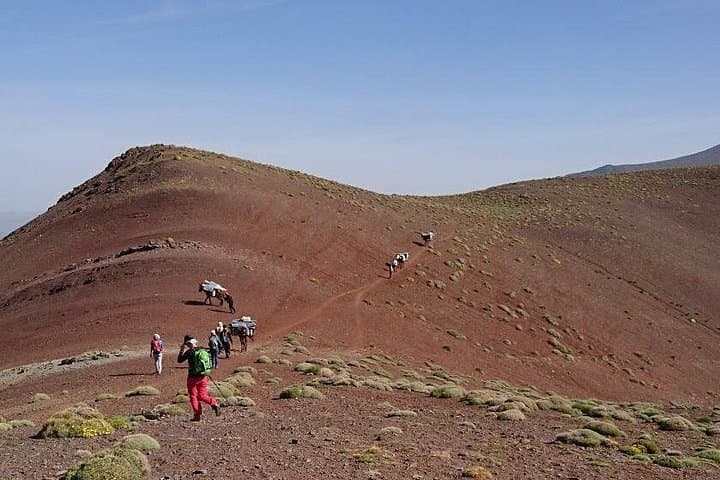
A cool pre-dawn wind cuts across the Tarkeddit plateau as a headlamp beam threads the ridge toward M’Goun. Hikers move in a measured silence—mules and cook a few paces behind—while the High Atlas wakes, cliffs flushing from iron to pink as light climbs.
Verified experiences and guided adventures in the surrounding area.
Operated by Wandern Marokko Fahim · Marrakech, Marrakech-Safi
A cool pre-dawn wind cuts across the Tarkeddit plateau as a headlamp beam threads the ridge toward M’Goun. Hikers move in a measured silence—mules and cook a few paces behind—while the High Atlas wakes, cliffs flushing from iron to pink as light climbs.
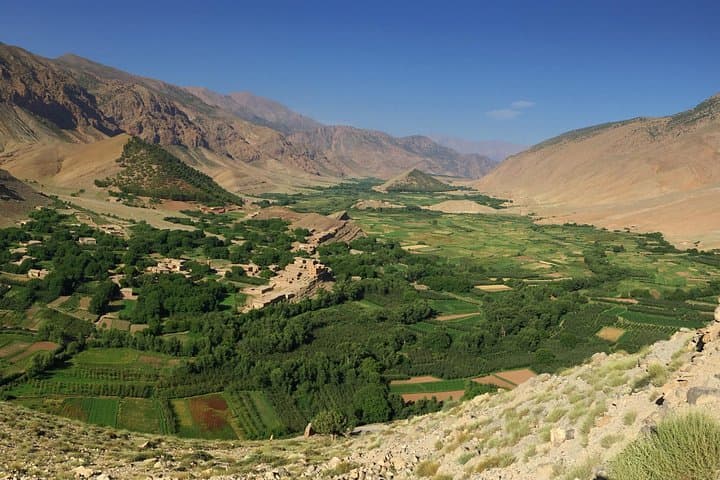
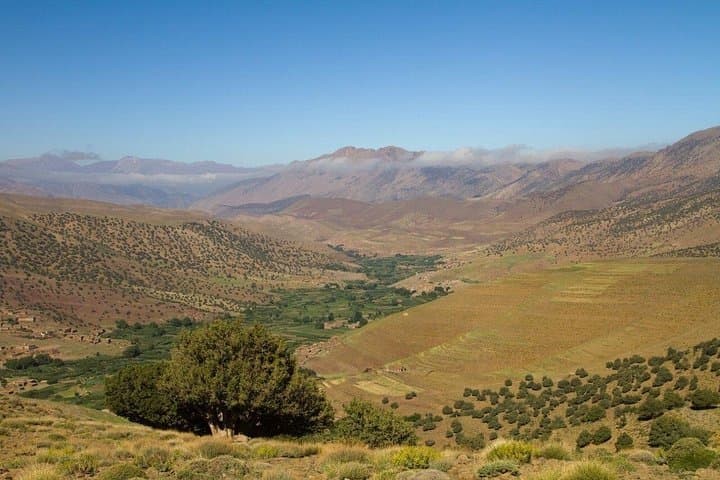
This seven-day circuit starts in the fertile Aït Bouguemez valley (the “Happy Valley”), climbs through pastoral terraces and walnut groves, crosses high pastures and Tizi passes, and reaches the plateau beneath the M’Goun massif. Geologically the route traces limestone and metamorphic outcrops carved by glacial action and seasonal rivers; on clear days the summit offers broad views back across the central Atlas and the deeper Anti-Atlas to the south.
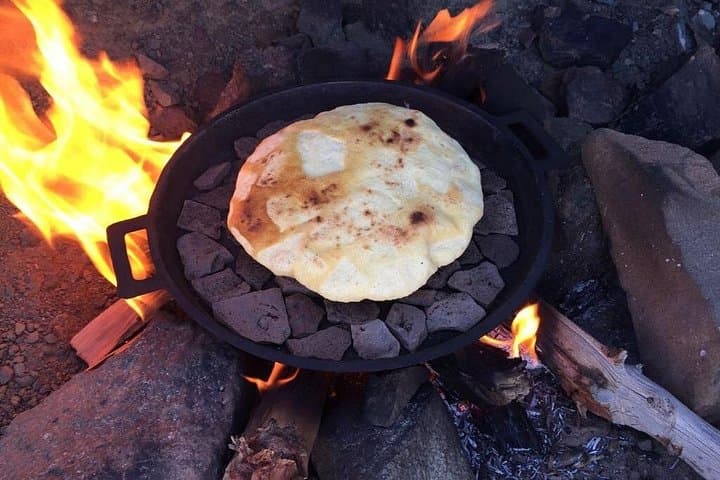
Culturally the trail threads Berber villages where stone houses and terraced fields attest to centuries of mountain agriculture; mule trains and local guides are part of a living transport and hospitality tradition. Expect simple but hearty camp meals and opportunities to visit a marabout or village inn along the way.
Practically: daily hiking ranges from 4.5 to 9 hours, with one optional summit day to 4,068 m; trails include steep scree, riverbed walking, and exposed ridgelines. Altitude and daily mileage make pacing, hydration, and layered clothing essential. A reliable sleeping bag, sturdy boots, trekking poles and sun protection will change the day’s feel.
For planners: allow an extra day in Marrakech before or after travel, check weather for early starts on summit day, and budget time to acclimatize if coming from sea level. The route rewards steady effort with broad views, river gorges, and close cultural contact—the High Atlas at work, patient and demanding.
The summit day is the longest (up to ~9 hours) with steep final ridgelines; it's demanding but non-technical—good fitness and steady pacing are required.
Accommodation is a mix of nights in tents on the trek and inns/riads at the start and finish; the operator provides communal tents and a cook.
Prior high-altitude experience helps but isn’t mandatory; participants should be comfortable with multi-day hiking and follow guidance on pacing and hydration.
Yes—there’s an established lower route under the northern foot of M’Goun and guides will alter plans for safety in bad weather or if the group needs a lower-altitude option.
Wandern Marokko Fahim operates guided outdoor trips and adventures with an emphasis on safety, stewardship, and memorable experiences.
A cool pre-dawn wind cuts across the Tarkeddit plateau as a headlamp beam threads the ridge toward M’Goun. Hikers move in a measured silence—mules and cook a few paces behind—while the High Atlas wakes, cliffs flushing from iron to pink as light climbs.
A cool pre-dawn wind cuts across the Tarkeddit plateau as a headlamp beam threads the ridge toward M’Goun. Hikers move in a measured silence—mules and cook a few paces behind—while the High Atlas wakes, cliffs flushing from iron to pink as light climbs.
This seven-day circuit starts in the fertile Aït Bouguemez valley (the “Happy Valley”), climbs through pastoral terraces and walnut groves, crosses high pastures and Tizi passes, and reaches the plateau beneath the M’Goun massif. Geologically the route traces limestone and metamorphic outcrops carved by glacial action and seasonal rivers; on clear days the summit offers broad views back across the central Atlas and the deeper Anti-Atlas to the south.
Culturally the trail threads Berber villages where stone houses and terraced fields attest to centuries of mountain agriculture; mule trains and local guides are part of a living transport and hospitality tradition. Expect simple but hearty camp meals and opportunities to visit a marabout or village inn along the way.
Practically: daily hiking ranges from 4.5 to 9 hours, with one optional summit day to 4,068 m; trails include steep scree, riverbed walking, and exposed ridgelines. Altitude and daily mileage make pacing, hydration, and layered clothing essential. A reliable sleeping bag, sturdy boots, trekking poles and sun protection will change the day’s feel.
For planners: allow an extra day in Marrakech before or after travel, check weather for early starts on summit day, and budget time to acclimatize if coming from sea level. The route rewards steady effort with broad views, river gorges, and close cultural contact—the High Atlas at work, patient and demanding.