THE ADVENTURE COLLECTIVE® · Independent discovery and booking for outdoor travel

An off-road ATV loop from Cusco that reaches the concentric terraces of Moray and the dripping salt pans of Maras. Expect high-elevation dirt tracks, cultural stops, and bilingual instruction — ideal for riders who want fast access to the Sacred Valley's most striking sites.
An off-road ATV loop from Cusco that reaches the concentric terraces of Moray and the dripping salt pans of Maras. Expect high-elevation dirt tracks, cultural stops, and bilingual instruction — ideal for riders who want fast access to the Sacred Valley's most striking sites.
You kick gravel, the ATV answers with a low growl, and the valley opens — terraces step down like carved bowls, and salt pans glitter on a mountainside that seems to dare you to get closer.
Verified experiences and guided adventures in the surrounding area.
Operated by Vamos Machu Picchu · Cusco, Cusco Region
You kick gravel, the ATV answers with a low growl, and the valley opens — terraces step down like carved bowls, and salt pans glitter on a mountainside that seems to dare you to get closer.
This six-hour loop leaves Cusco for the southern Sacred Valley, threading agricultural tracks between highland farms to the concentric agricultural circles of Moray and the geometric pools of the Maras salt mines. Moray is a curious Inca laboratory of microclimates: concentric terraces that descend nearly 100 meters and reveal deliberate soil and temperature experiments. Nearby, the pre-Inca salt pans cling to a steep ravine and have been harvested by local families for centuries, a cultural practice still visible in the patchwork white of the pools.
Geologically the valley is high Andean plateau: volcanic soils, steep canyon walls and alluvial terraces shaped by millennia of erosion and human reshaping. Expect dusty dirt tracks, loose gravel, short climbs and the thin air of 3,300–3,600 meters (10,800–11,800 ft).
Practical guidance: the operator provides automatic ATVs, helmets and bilingual instruction, plus hotel pickup. Acclimatize in Cusco for a day or two, drink plenty of water, and choose sturdy closed-toe shoes — ankle support helps on uneven mounts. Morning departures reduce afternoon storms in the rainy season; allow 5–6 hours door-to-door. Ride conservatively: these machines give confidence but the terrain and altitude change the rules.
This trip blends hands-on motorized travel with direct access to archaeological and living cultural sites — a fast-moving way to read the landscape and leave with a better sense of how the Sacred Valley sustains people today.
No — operators provide a brief training session and automatic ATVs; basic vehicle control is all that's required, though riders should be comfortable with throttle/brake use.
Yes — the typical itinerary visits Moray's terraces and then continues to the Maras salt mines with time for photos and walking the salt pools.
Yes — the tour includes hotel pickup in Cusco according to the operator's inclusions; confirm your pickup point when booking.
Yes — sites sit around 3,300–3,600 m (10,800–11,800 ft); acclimatize, hydrate, and consult a doctor if you have cardiovascular issues.
Vamos Machu Picchu operates guided outdoor trips and adventures with an emphasis on safety, stewardship, and memorable experiences.
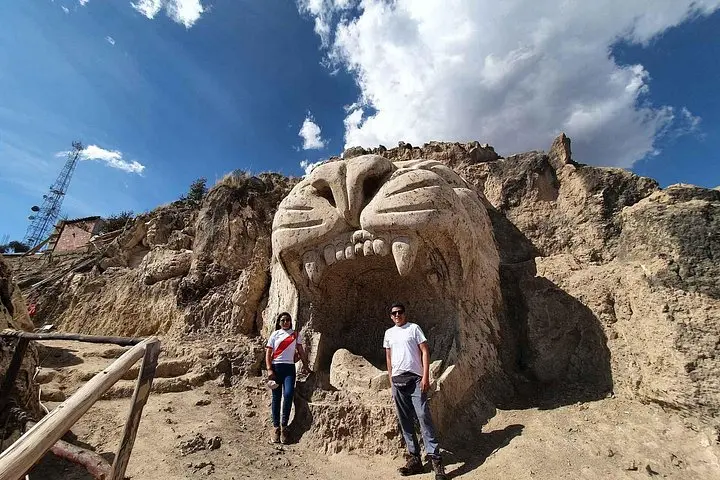
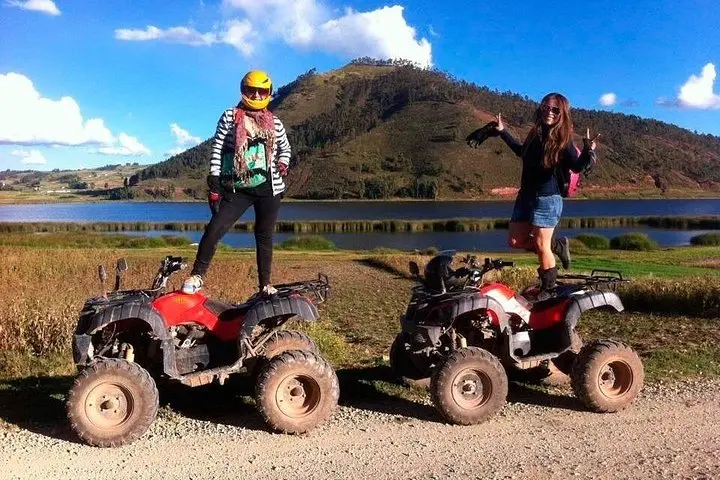
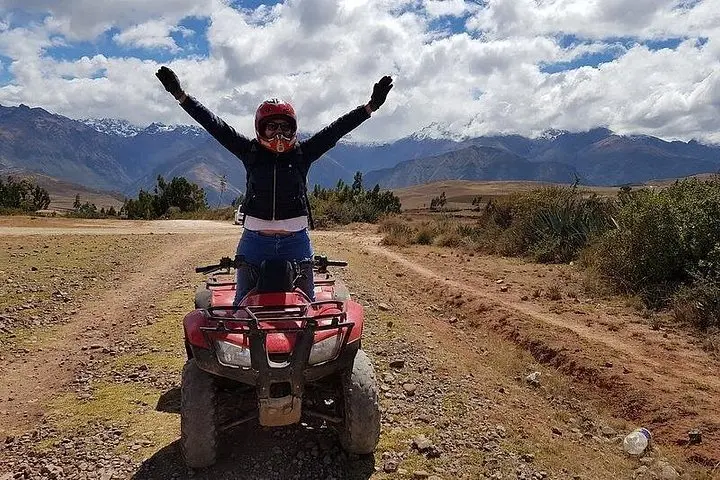
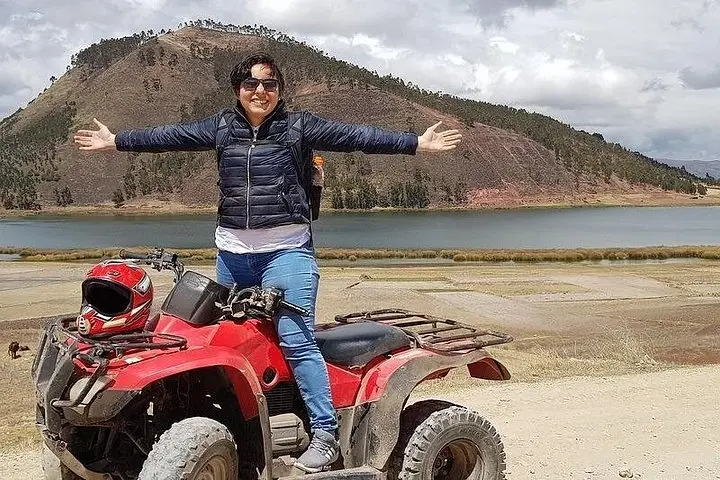
You kick gravel, the ATV answers with a low growl, and the valley opens — terraces step down like carved bowls, and salt pans glitter on a mountainside that seems to dare you to get closer.
You kick gravel, the ATV answers with a low growl, and the valley opens — terraces step down like carved bowls, and salt pans glitter on a mountainside that seems to dare you to get closer.
This six-hour loop leaves Cusco for the southern Sacred Valley, threading agricultural tracks between highland farms to the concentric agricultural circles of Moray and the geometric pools of the Maras salt mines. Moray is a curious Inca laboratory of microclimates: concentric terraces that descend nearly 100 meters and reveal deliberate soil and temperature experiments. Nearby, the pre-Inca salt pans cling to a steep ravine and have been harvested by local families for centuries, a cultural practice still visible in the patchwork white of the pools.
Geologically the valley is high Andean plateau: volcanic soils, steep canyon walls and alluvial terraces shaped by millennia of erosion and human reshaping. Expect dusty dirt tracks, loose gravel, short climbs and the thin air of 3,300–3,600 meters (10,800–11,800 ft).
Practical guidance: the operator provides automatic ATVs, helmets and bilingual instruction, plus hotel pickup. Acclimatize in Cusco for a day or two, drink plenty of water, and choose sturdy closed-toe shoes — ankle support helps on uneven mounts. Morning departures reduce afternoon storms in the rainy season; allow 5–6 hours door-to-door. Ride conservatively: these machines give confidence but the terrain and altitude change the rules.
This trip blends hands-on motorized travel with direct access to archaeological and living cultural sites — a fast-moving way to read the landscape and leave with a better sense of how the Sacred Valley sustains people today.