THE ADVENTURE COLLECTIVE® · Independent discovery and booking for outdoor travel

Paddle through Auckland’s dark harbour as your strokes ignite blue glows in the water. This guided night kayak tour offers intimate views of bioluminescent plankton and practical tips for experiencing the phenomenon with minimal impact.
Paddle through Auckland’s dark harbour as your strokes ignite blue glows in the water. This guided night kayak tour offers intimate views of bioluminescent plankton and practical tips for experiencing the phenomenon with minimal impact.
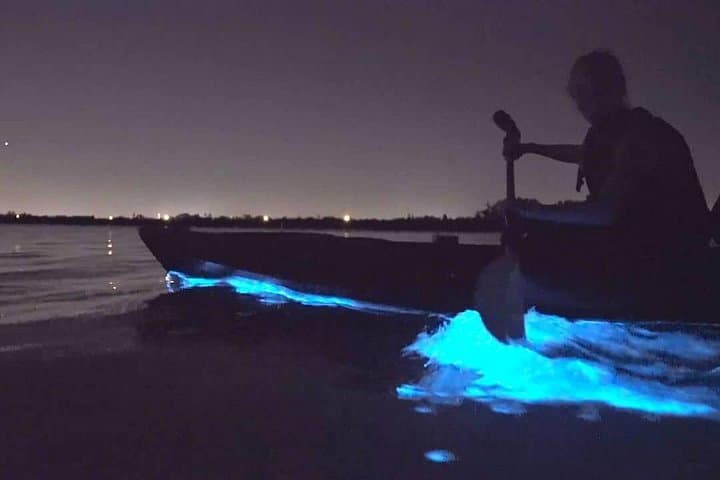
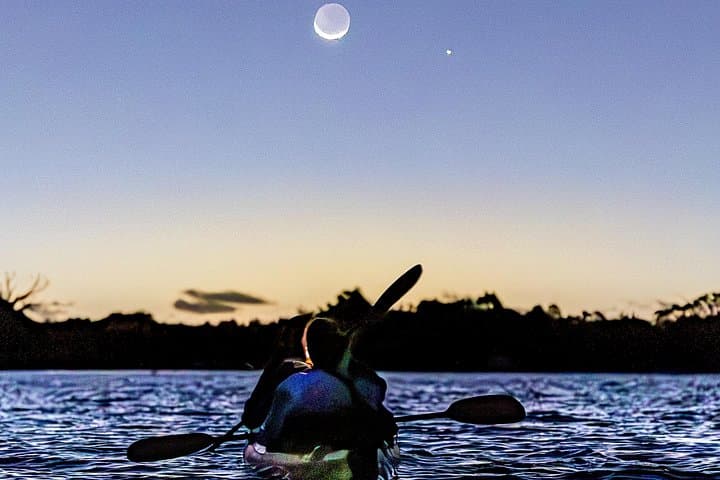
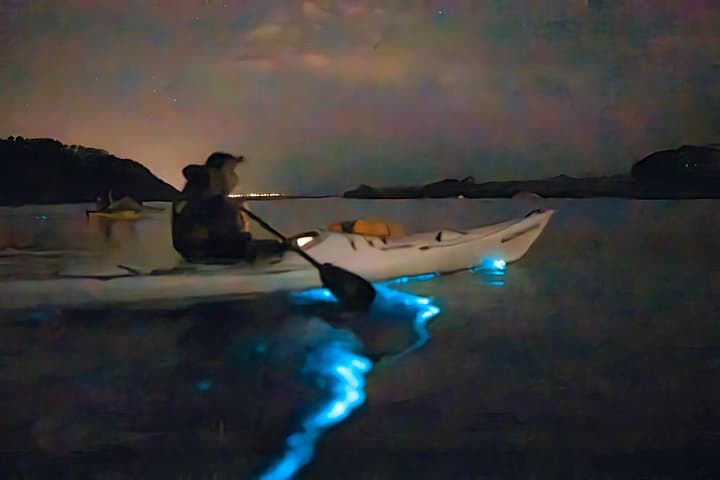
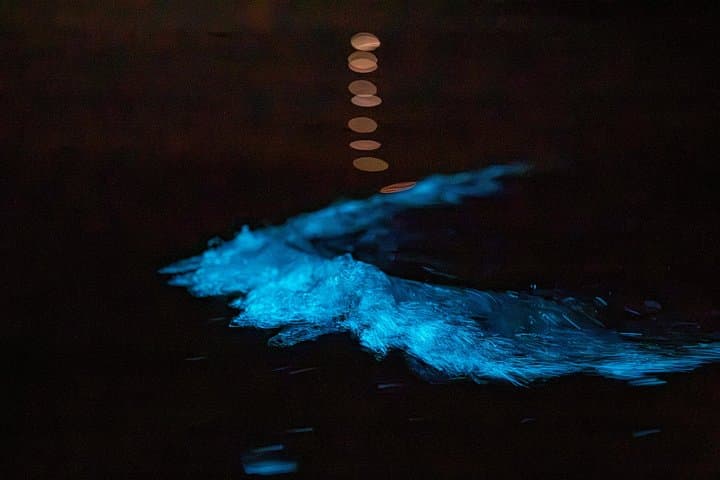
You push off from the quiet harbor and the city lights slip behind you. The first stroke parts the ink-black water and the wake answers with a thin, electric blue line—brief and alive—then blooms into a ribbon where your paddle passed. Air is cool; the guide's flashlight is low. Above, the skyline is a soft silhouette; below, the sea seems to have its own stars.
Verified experiences and guided adventures in the surrounding area.
Operated by Social Nature Movement · Auckland, Auckland
You push off from the quiet harbor and the city lights slip behind you. The first stroke parts the ink-black water and the wake answers with a thin, electric blue line—brief and alive—then blooms into a ribbon where your paddle passed. Air is cool; the guide's flashlight is low. Above, the skyline is a soft silhouette; below, the sea seems to have its own stars.
This evening paddle takes place in Auckland’s Waitematā Harbour and nearby Hauraki Gulf, an area shaped by recent volcanic flows and tidal currents that concentrate microscopic bioluminescent plankton. Māori have long read the sea for sustenance and navigation here; modern tours aim to show how natural light and human presence intersect in maritime culture.
Expect calm, flat-water paddling with close-up views of “sea sparkle” — each stroke triggering short-lived bursts of blue as plankton react to disturbance. Guides usually launch after dark, position kayaks in sheltered coves or near tidal eddies, and explain sightings and safe paddling etiquette.
Practical notes: wear warm layers, a windproof shell, and shoes that can get wet; headlamps with red filters keep your eyes adjusted without washing out the glow. Tours run about two hours and are suitable for beginners — your guide handles navigation and safety gear, including life jackets. Cameras will struggle to capture the glow; treat the experience as ephemeral and sensory rather than photographic.
Timing your trip around moon phases and low wind improves visibility. Respect the water: keep voices low, minimize splashing, and follow your guide’s briefing so the plankton—and the quiet—stay intact.
The experience runs about two hours from briefing to return, with the on-water portion typically around 60–90 minutes.
Yes—this tour is suitable for beginners; guides provide paddling instruction and all safety gear, including life jackets.
Smartphone cameras generally struggle; long-exposure cameras on tripods can capture it, but most operators discourage bright lights and flash photography to protect the experience.
Moonlight, strong winds, turbidity, and recent heavy rain reduce visibility; calm, dark nights after low tide are best.
Social Nature Movement operates guided outdoor trips and adventures with an emphasis on safety, stewardship, and memorable experiences.
You push off from the quiet harbor and the city lights slip behind you. The first stroke parts the ink-black water and the wake answers with a thin, electric blue line—brief and alive—then blooms into a ribbon where your paddle passed. Air is cool; the guide's flashlight is low. Above, the skyline is a soft silhouette; below, the sea seems to have its own stars.
You push off from the quiet harbor and the city lights slip behind you. The first stroke parts the ink-black water and the wake answers with a thin, electric blue line—brief and alive—then blooms into a ribbon where your paddle passed. Air is cool; the guide's flashlight is low. Above, the skyline is a soft silhouette; below, the sea seems to have its own stars.
This evening paddle takes place in Auckland’s Waitematā Harbour and nearby Hauraki Gulf, an area shaped by recent volcanic flows and tidal currents that concentrate microscopic bioluminescent plankton. Māori have long read the sea for sustenance and navigation here; modern tours aim to show how natural light and human presence intersect in maritime culture.
Expect calm, flat-water paddling with close-up views of “sea sparkle” — each stroke triggering short-lived bursts of blue as plankton react to disturbance. Guides usually launch after dark, position kayaks in sheltered coves or near tidal eddies, and explain sightings and safe paddling etiquette.
Practical notes: wear warm layers, a windproof shell, and shoes that can get wet; headlamps with red filters keep your eyes adjusted without washing out the glow. Tours run about two hours and are suitable for beginners — your guide handles navigation and safety gear, including life jackets. Cameras will struggle to capture the glow; treat the experience as ephemeral and sensory rather than photographic.
Timing your trip around moon phases and low wind improves visibility. Respect the water: keep voices low, minimize splashing, and follow your guide’s briefing so the plankton—and the quiet—stay intact.