
Auckland Natural Caves and Tunnels Private Tour — Rangitoto Caves, Piha & Cave Dining
Traverse volcanic lava tubes, wave-cut sea caves and coastal peaks on a private full-day tour from Auckland. From Rangitoto’s summit views to a candlelit dinner in Tunaki Cave, this trip pairs hands-on geology with local history and practical adventure tips.
An Adventure In Auckland.
Traverse volcanic lava tubes, wave-cut sea caves and coastal peaks on a private full-day tour from Auckland. From Rangitoto’s summit views to a candlelit dinner in Tunaki Cave, this trip pairs hands-on geology with local history and practical adventure tips.
Read the full experience
You step off the minivan and the air changes: salt and pōhutukawa sap, a hint of old lava and the distant roar of surf. The guide folds a map and points down a narrow, shadowed throat — a lava tube cut from black rock, cool and texturally sharp under your palms. This is a day designed to move you through Auckland’s volcanic bones and coastal guts, from military-era tunnels in Devonport to a candlelit dinner in a cave that used to host private dances.
You step off the minivan and the air changes: salt and pōhutukawa sap, a hint of old lava and the distant roar of surf. The guide folds a map and points down a narrow, shadowed throat — a lava tube cut from black rock, cool and texturally sharp under your palms. This is a day designed to move you through Auckland’s volcanic bones and coastal guts, from military-era tunnels in Devonport to a candlelit dinner in a cave that used to host private dances.
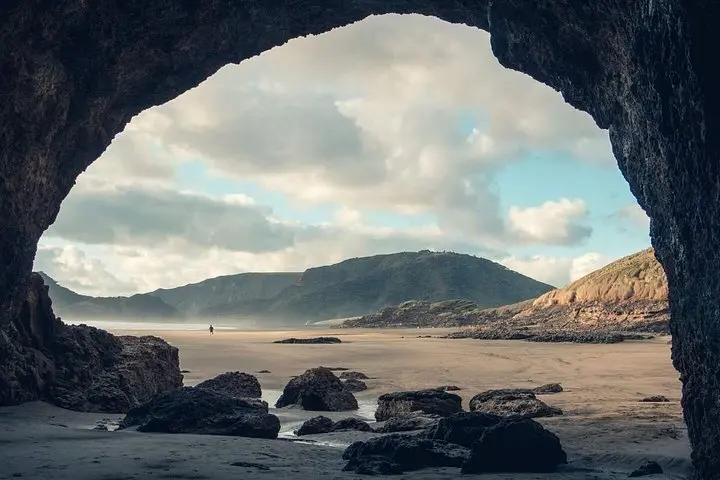
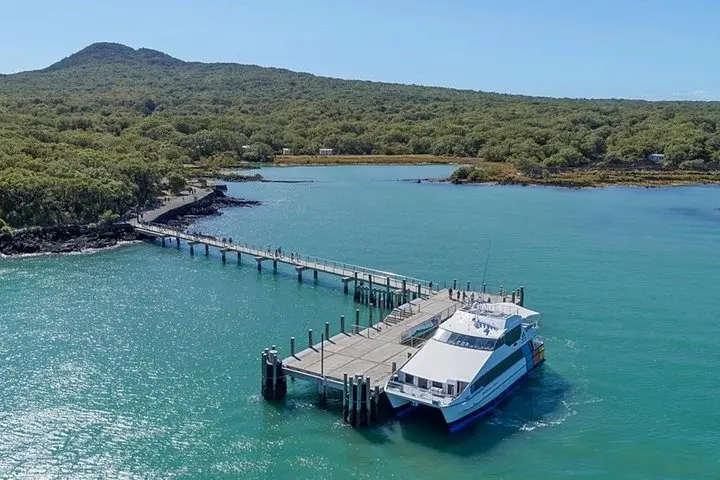
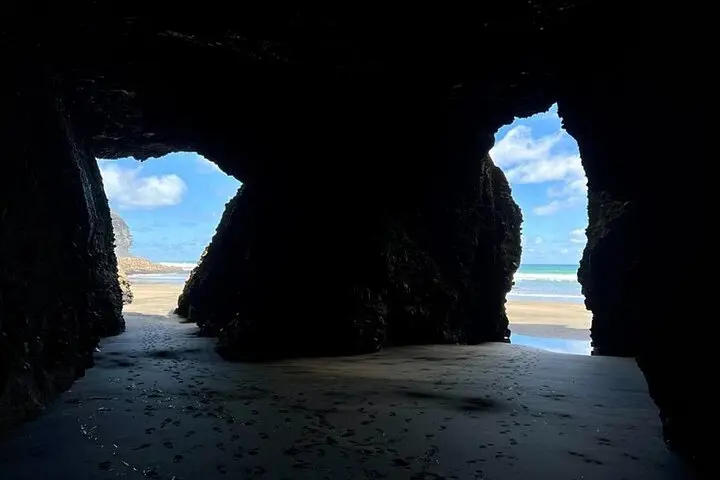
The route stitches together very different geological stories. Rangitoto Island, the youngest and most visible of Auckland’s volcanic field, is a strombolian cone formed some 600–700 years ago; its lava fields hide short, narrow tubes that hum with residual warmth and muffled bird calls. Devonport’s caves are quieter, gouged under former gun emplacements where colonial defense met volcanic rock. On the west coast, Bethells, Piha and Whatipu display wave-sculpted sea caves cut into black sand and hard sandstone — places where ocean and wind keep rewriting the coastline.
Culturally the day threads European settler history with Māori connections to the land and sea. Rangitoto has long-standing significance to mana whenua as both a resource and a landmark; the island’s lava flows changed coastal ecology and maritime routes. Whatipu’s so-called Ballroom Dance Cave recalls a late-19th-century era when the region’s remote beaches were transformed into social spaces — the echo still lingers in the cave’s dome.
Practically, this is a full-day private tour (about 13 hours) that mixes short walks, moderate climbs and easy scrambling. Expect the Rangitoto summit track to be the most sustained effort: roughly 5 km round-trip with ~260 m elevation gain over uneven volcanic rock. Coastal cave access at Bethells and Piha can involve boulder hopping and soft sand; check tide times before you go.
Wear sturdy hiking shoes with good grip, dress in layers (coastal winds can change fast) and bring a headlamp or strong torch for the darker tubes. Hydrate early and carry snacks; the day covers drives between sites plus several on-foot sections. Claustrophobic travelers should note some lava tubes are tight and dim—guides will advise alternatives.
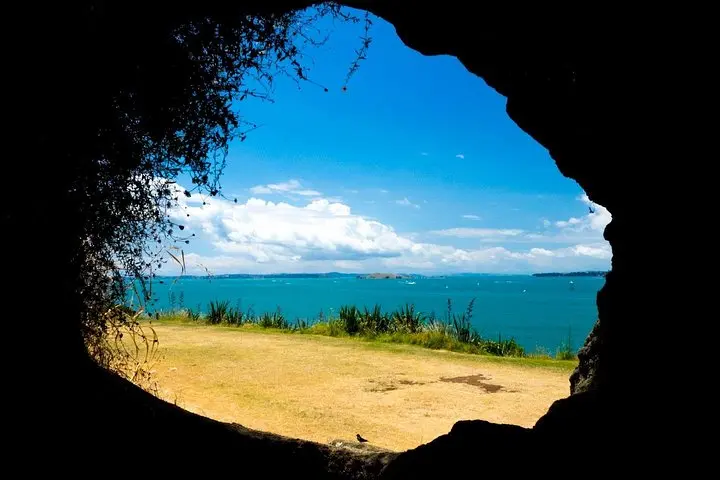
The payoff is immediate: panoramic city views from Rangitoto’s peak, the combative beauty of Piha’s surf, and the oddly intimate spectacle of dining by lamplight inside Tunaki Cave. For photographers there are stark contrasts — black lava, green coastal scrub, and the white sail of the Hauraki Gulf — and for anyone with a taste for layered landscapes, the day reads like a compact primer on Auckland’s wild geology and coastal culture.
Frequently asked questions
The tour is approximately 13 hours, typically starting in central Auckland with multiple stops: Devonport caves, Rangitoto (including summit), Bethells Beach, North Piha, Whatipu Ballroom Cave and dinner at Tunaki Cave.
Some lava tubes and cave passages are narrow and dim; the operator notes it is not recommended for those who get claustrophobic—alternative surface routes are usually available.
Yes—lunch and dinner are included; dinner is served in Tunaki Cave with locally sourced menu options. Advise dietary restrictions at booking.
Yes—bring a headlamp or flashlight to comfortably navigate darker lava tubes; guides carry additional lights but personal hands-free lighting is recommended.
The tour is listed as suitable for a wide range of fitness levels, but younger children should be supervised around cliffs, surf and in cave passages; check with the operator about age bands at booking.
Pickup can be arranged from many inner-city hotels or meet at Auckland Sky Tower entrance—confirm your pickup point when you book and be ready 5 minutes before departure.
About This Experience
Social Nature Movement operates guided outdoor trips and adventures with an emphasis on safety, stewardship, and memorable experiences.
Adventure tips
Recommended gear
- Sturdy hiking shoes: Grip and ankle support for volcanic and coastal terrain.
- Headlamp or strong torch: Illuminates lava tubes and cave interiors where guide lights may be limited.
- Layered waterproof jacket: Coastal winds and sudden showers are common—layers keep you comfortable.
- 2L water reservoir or bottle: Long day with active sections; stay hydrated, especially in sun and wind.
Photos of the experience
Related adventures & guides
Read the full experience
You step off the minivan and the air changes: salt and pōhutukawa sap, a hint of old lava and the distant roar of surf. The guide folds a map and points down a narrow, shadowed throat — a lava tube cut from black rock, cool and texturally sharp under your palms. This is a day designed to move you through Auckland’s volcanic bones and coastal guts, from military-era tunnels in Devonport to a candlelit dinner in a cave that used to host private dances.
You step off the minivan and the air changes: salt and pōhutukawa sap, a hint of old lava and the distant roar of surf. The guide folds a map and points down a narrow, shadowed throat — a lava tube cut from black rock, cool and texturally sharp under your palms. This is a day designed to move you through Auckland’s volcanic bones and coastal guts, from military-era tunnels in Devonport to a candlelit dinner in a cave that used to host private dances.
The route stitches together very different geological stories. Rangitoto Island, the youngest and most visible of Auckland’s volcanic field, is a strombolian cone formed some 600–700 years ago; its lava fields hide short, narrow tubes that hum with residual warmth and muffled bird calls. Devonport’s caves are quieter, gouged under former gun emplacements where colonial defense met volcanic rock. On the west coast, Bethells, Piha and Whatipu display wave-sculpted sea caves cut into black sand and hard sandstone — places where ocean and wind keep rewriting the coastline.
Culturally the day threads European settler history with Māori connections to the land and sea. Rangitoto has long-standing significance to mana whenua as both a resource and a landmark; the island’s lava flows changed coastal ecology and maritime routes. Whatipu’s so-called Ballroom Dance Cave recalls a late-19th-century era when the region’s remote beaches were transformed into social spaces — the echo still lingers in the cave’s dome.
Practically, this is a full-day private tour (about 13 hours) that mixes short walks, moderate climbs and easy scrambling. Expect the Rangitoto summit track to be the most sustained effort: roughly 5 km round-trip with ~260 m elevation gain over uneven volcanic rock. Coastal cave access at Bethells and Piha can involve boulder hopping and soft sand; check tide times before you go.
Wear sturdy hiking shoes with good grip, dress in layers (coastal winds can change fast) and bring a headlamp or strong torch for the darker tubes. Hydrate early and carry snacks; the day covers drives between sites plus several on-foot sections. Claustrophobic travelers should note some lava tubes are tight and dim—guides will advise alternatives.
The payoff is immediate: panoramic city views from Rangitoto’s peak, the combative beauty of Piha’s surf, and the oddly intimate spectacle of dining by lamplight inside Tunaki Cave. For photographers there are stark contrasts — black lava, green coastal scrub, and the white sail of the Hauraki Gulf — and for anyone with a taste for layered landscapes, the day reads like a compact primer on Auckland’s wild geology and coastal culture.
Make a day of it nearby.
Verified experiences and guided adventures in the surrounding area.