THE ADVENTURE COLLECTIVE® · Independent discovery and booking for outdoor travel

A full‑day private drive from Auckland that pairs Rotorua’s geothermal landscapes with the subterranean glow of Waitomo’s caves. Expect formed cave passages, Māori cultural sites, and around 12 hours of guided exploration with hotel pickup.
A full‑day private drive from Auckland that pairs Rotorua’s geothermal landscapes with the subterranean glow of Waitomo’s caves. Expect formed cave passages, Māori cultural sites, and around 12 hours of guided exploration with hotel pickup.
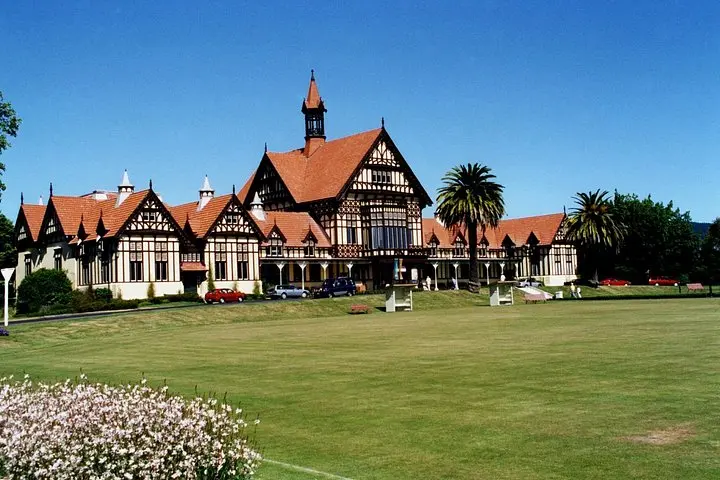
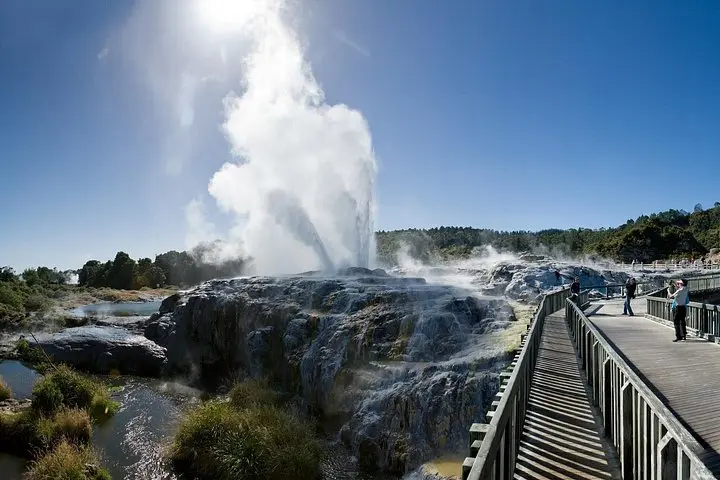
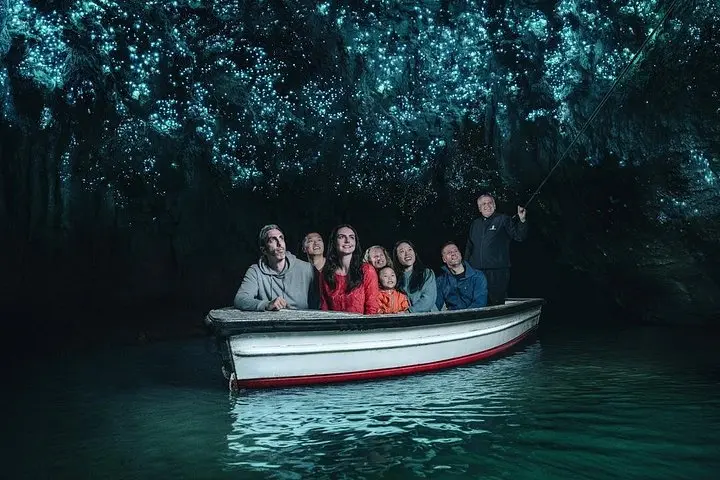
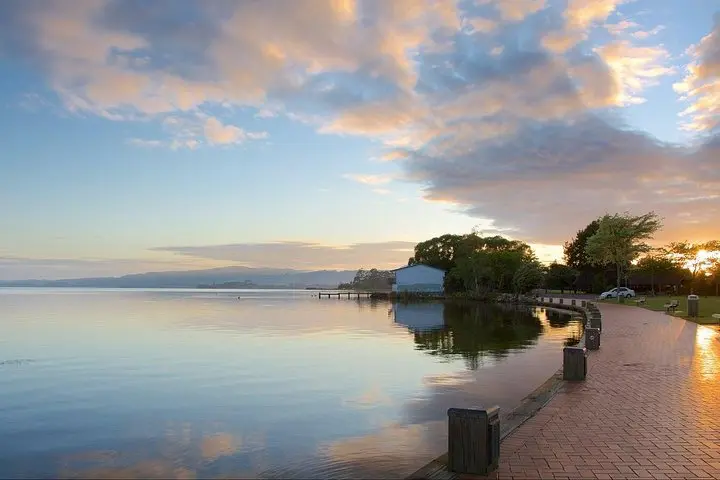
You leave Auckland before dawn, the city giving way to rolling pasture and roadside pōhutukawa until the road narrows and the limestone country of Waitomo appears. In the hush of the caves a black ceiling sparkles with thousands of glowworm pinpricks that seem to breathe; on the surface Rotorua's geothermal vents puff at the edge of a village where Māori carving and steam meet.
Verified experiences and guided adventures in the surrounding area.
Operated by Legend Tours and Travels Ltd · Waitomo, Waikato
You leave Auckland before dawn, the city giving way to rolling pasture and roadside pōhutukawa until the road narrows and the limestone country of Waitomo appears. In the hush of the caves a black ceiling sparkles with thousands of glowworm pinpricks that seem to breathe; on the surface Rotorua's geothermal vents puff at the edge of a village where Māori carving and steam meet.
Waitomo sits on karst formed from ancient marine sediments—vertical shafts and sinuous galleries shaped by water over millions of years. The glowworms you see (Arachnocampa luminosa) are an endemic species that inhabit humid cave ceilings; nearby Ruakuri Cave adds waterfalls and sculpted stalactites to the show. Rotorua carries its own instruction in geology and culture: thermal activity, silica terraces, and the New Zealand Māori Arts and Crafts Institute (est. 1963) preserve carving and weaving techniques tied to local iwi.
Practically, this private 12‑hour loop from Auckland covers roughly 400–450 km round trip, with 2–3 hours driving between major stops. Expect brief walks on formed paths, steps at cave entrances, and short, level boardwalks through geothermal parks—minimal elevation gain but uneven surfaces in places. Caves are cool and damp; photography inside usually prohibits flash. The tour includes hotel pickup, transport, a driver/guide and light refreshments.
Plan for layered clothing, sturdy shoes, and a small pack for water and camera. Book morning departures to catch clearer cave conditions and fewer buses in Rotorua. Respect cave rules—stay on paths, no flash photography—and you’ll leave with a close look at two of New Zealand’s most distinct landscapes.
Plan on roughly 2.5–3 hours from Auckland to Waitomo, then about 1.5 hours from Waitomo to Rotorua; total round‑trip driving is around 400–450 km depending on route.
Yes—Arachnocampa luminosa are visible year‑round in suitable cave conditions; avoid flash and bright lights which disrupt the display.
Caves involve steps and narrow passages; while strollers can be accommodated for surface stops, sections of the caves may not be stroller‑friendly—check with the operator about infant seats and accessibility.
This is a private tour with English‑speaking guides by default; multilingual guide options are available upon request and a minimum of two people per booking is required.
Legend Tours and Travels Ltd operates guided outdoor trips and adventures with an emphasis on safety, stewardship, and memorable experiences.
You leave Auckland before dawn, the city giving way to rolling pasture and roadside pōhutukawa until the road narrows and the limestone country of Waitomo appears. In the hush of the caves a black ceiling sparkles with thousands of glowworm pinpricks that seem to breathe; on the surface Rotorua's geothermal vents puff at the edge of a village where Māori carving and steam meet.
You leave Auckland before dawn, the city giving way to rolling pasture and roadside pōhutukawa until the road narrows and the limestone country of Waitomo appears. In the hush of the caves a black ceiling sparkles with thousands of glowworm pinpricks that seem to breathe; on the surface Rotorua's geothermal vents puff at the edge of a village where Māori carving and steam meet.
Waitomo sits on karst formed from ancient marine sediments—vertical shafts and sinuous galleries shaped by water over millions of years. The glowworms you see (Arachnocampa luminosa) are an endemic species that inhabit humid cave ceilings; nearby Ruakuri Cave adds waterfalls and sculpted stalactites to the show. Rotorua carries its own instruction in geology and culture: thermal activity, silica terraces, and the New Zealand Māori Arts and Crafts Institute (est. 1963) preserve carving and weaving techniques tied to local iwi.
Practically, this private 12‑hour loop from Auckland covers roughly 400–450 km round trip, with 2–3 hours driving between major stops. Expect brief walks on formed paths, steps at cave entrances, and short, level boardwalks through geothermal parks—minimal elevation gain but uneven surfaces in places. Caves are cool and damp; photography inside usually prohibits flash. The tour includes hotel pickup, transport, a driver/guide and light refreshments.
Plan for layered clothing, sturdy shoes, and a small pack for water and camera. Book morning departures to catch clearer cave conditions and fewer buses in Rotorua. Respect cave rules—stay on paths, no flash photography—and you’ll leave with a close look at two of New Zealand’s most distinct landscapes.