THE ADVENTURE COLLECTIVE® · Independent discovery and booking for outdoor travel

Walk through Tāmaki Makaurau’s layered history on a three‑hour small‑group tour from volcanic parks to the Viaduct. Expect public art, civic landmarks, and insider tips on where locals eat and drink.
Walk through Tāmaki Makaurau’s layered history on a three‑hour small‑group tour from volcanic parks to the Viaduct. Expect public art, civic landmarks, and insider tips on where locals eat and drink.
The morning air off Waitematā Harbour bites sharp and salty as your small group threads between the Sky Tower’s concrete armature and the low, older brick of Albert Park. The guide pauses at a mural; voices drop and the city’s layered past—Māori settlement, colonial boom, maritime trade—unspools in quick, human-sized chapters.
Verified experiences and guided adventures in the surrounding area.
Operated by Auckland Story - Small group guided walks · Auckland, Auckland
The morning air off Waitematā Harbour bites sharp and salty as your small group threads between the Sky Tower’s concrete armature and the low, older brick of Albert Park. The guide pauses at a mural; voices drop and the city’s layered past—Māori settlement, colonial boom, maritime trade—unspools in quick, human-sized chapters.
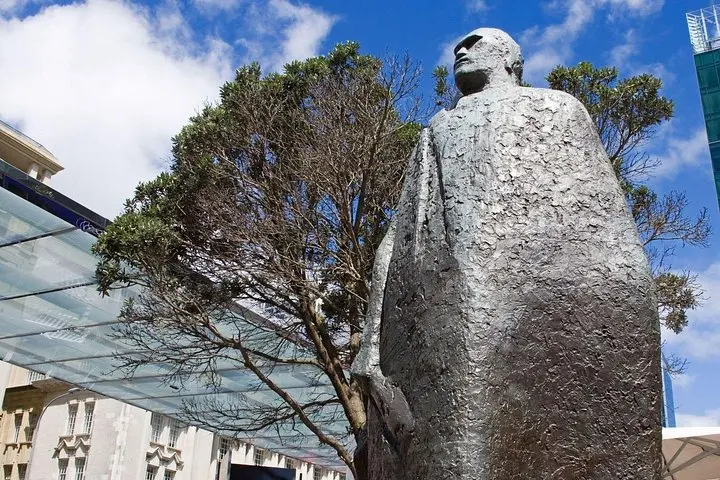
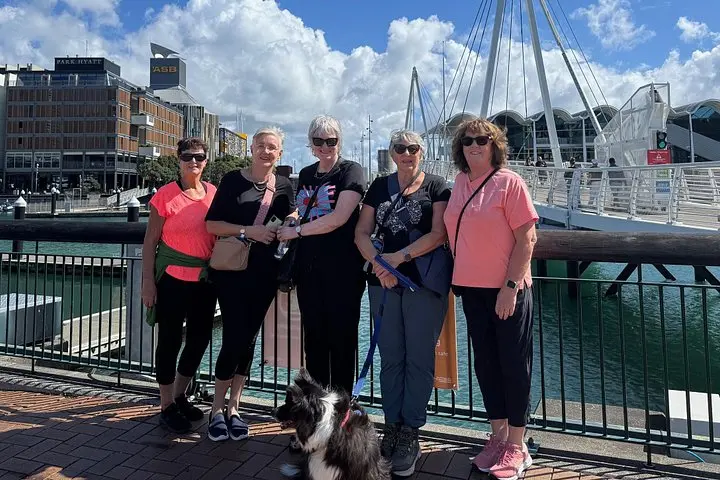
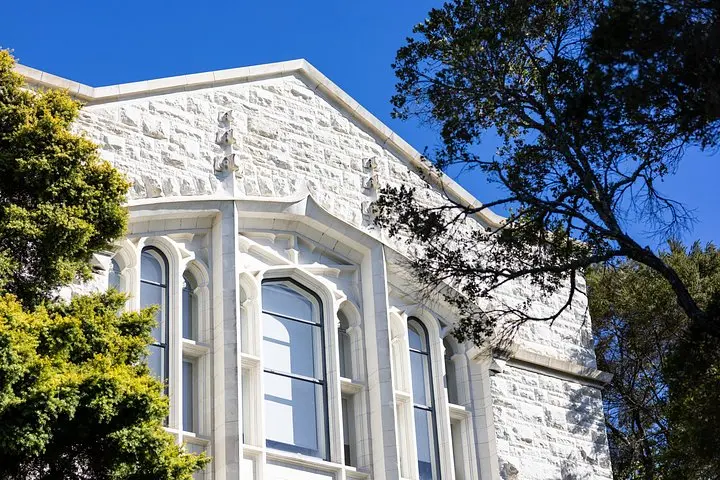
Auckland sits on a youthful volcanic field and a busy harbour that shaped its growth. On this three‑hour walk you’ll move from the university clock tower through shaded parkland to the Viaduct, sampling public art, women’s suffrage memorials, and the America’s Cup legacy at the waterfront. Expect stories of iwi (Māori) place names, 19th‑century merchants, and the city’s maritime and civic architecture—their materials and marks still visible in backstreets and quay-side warehouses.
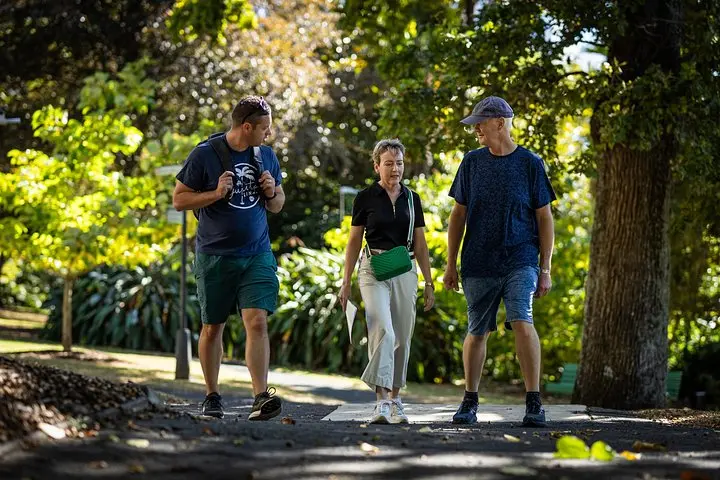
The tour’s pace is urban and steady: mostly paved sidewalks, short stair sections through park terraces, and frequent stops for interpretation and a coffee break. Guides point out geological cues—lava cones that became parks—and cultural cues, including where to pause and observe tikanga (local protocol).
Practical edge: wear supportive footwear and layered clothing for sudden coastal wind or rain; bring a small water bottle and a charged phone for photos. Take the train or ferry to central Auckland to avoid parking, and arrive 10 minutes early to meet the group. Listen for guide instructions near heritage sites and treat them respectfully—this is a living city with active iwi connections and working waterfronts. The walk is accessible for most fitness levels and offers concentrated local insight into Tāmaki Makaurau’s visible and hidden stories.
The tour begins in central Auckland near a designated meeting point—confirm exact pickup in your booking email—and finishes at the waterfront with harbour views.
The walk is rated easy and suitable for most ages, but it involves up to three hours of walking and short stair sections; contact the operator about mobility accommodations.
The tour includes a coffee or tea break; additional food or drink purchases at cafes are at your expense.
Tours are typically in English; ask the operator about other languages. Tipping is appreciated but not required—small cash tips reflect good service.
Auckland Story - Small group guided walks operates guided outdoor trips and adventures with an emphasis on safety, stewardship, and memorable experiences.
The morning air off Waitematā Harbour bites sharp and salty as your small group threads between the Sky Tower’s concrete armature and the low, older brick of Albert Park. The guide pauses at a mural; voices drop and the city’s layered past—Māori settlement, colonial boom, maritime trade—unspools in quick, human-sized chapters.
The morning air off Waitematā Harbour bites sharp and salty as your small group threads between the Sky Tower’s concrete armature and the low, older brick of Albert Park. The guide pauses at a mural; voices drop and the city’s layered past—Māori settlement, colonial boom, maritime trade—unspools in quick, human-sized chapters.
Auckland sits on a youthful volcanic field and a busy harbour that shaped its growth. On this three‑hour walk you’ll move from the university clock tower through shaded parkland to the Viaduct, sampling public art, women’s suffrage memorials, and the America’s Cup legacy at the waterfront. Expect stories of iwi (Māori) place names, 19th‑century merchants, and the city’s maritime and civic architecture—their materials and marks still visible in backstreets and quay-side warehouses.
The tour’s pace is urban and steady: mostly paved sidewalks, short stair sections through park terraces, and frequent stops for interpretation and a coffee break. Guides point out geological cues—lava cones that became parks—and cultural cues, including where to pause and observe tikanga (local protocol).
Practical edge: wear supportive footwear and layered clothing for sudden coastal wind or rain; bring a small water bottle and a charged phone for photos. Take the train or ferry to central Auckland to avoid parking, and arrive 10 minutes early to meet the group. Listen for guide instructions near heritage sites and treat them respectfully—this is a living city with active iwi connections and working waterfronts. The walk is accessible for most fitness levels and offers concentrated local insight into Tāmaki Makaurau’s visible and hidden stories.