THE ADVENTURE COLLECTIVE® · Independent discovery and booking for outdoor travel

Walk Old Port at your own pace with a smartphone-guided audio tour that maps Portland’s maritime past, bootlegger myths, and culinary stops. Start at the Berlin Wall piece, spend 60–90 minutes exploring cobbles, wharves, and Longfellow’s neighborhood.
Walk Old Port at your own pace with a smartphone-guided audio tour that maps Portland’s maritime past, bootlegger myths, and culinary stops. Start at the Berlin Wall piece, spend 60–90 minutes exploring cobbles, wharves, and Longfellow’s neighborhood.
Start at a slab of the Berlin Wall on Long Wharf and the city opens one block, one story at a time: cobblestones underfoot, the harbor’s salt air tugging at your jacket, and brick facades that remember shipyards and rum riots.
Verified experiences and guided adventures in the surrounding area.
Operated by WalknTours · Portland, Maine
Start at a slab of the Berlin Wall on Long Wharf and the city opens one block, one story at a time: cobblestones underfoot, the harbor’s salt air tugging at your jacket, and brick facades that remember shipyards and rum riots.
This self-guided audio walk threads history into place — 18th- and 19th-century maritime commerce, the rise of lobstering, the bootleggers and prohibition-era conflicts that shaped Portland, and sites tied to the Underground Railroad and Henry Wadsworth Longfellow. Geology here is simple but telling: ledge and granite shaped the working waterfront, dictating wharf placement and the steep streets that give Old Port its compact, walkable character.
Culturally the neighborhood is a working port that pivoted to food, craft, and small-scale commerce; the audio tour points out the best donut stop, local eateries, and little architectural details locals pass without notice.
Practically, the tour runs 60–90 minutes and is location-aware via a smartphone app, so you move at your own pace and pause for coffee, photos, or the view of moored schooners. Expect uneven cobbles, occasional vehicle traffic on Wharf Street, and narrow sidewalks — comfortable walking shoes make the difference. Bring a charged phone, earbuds, and a small bottle of water. Take the walk in the morning for quieter streets and afternoon for food options; winter listeners should layer up and allow extra time for icy patches.
The route is flexible: linger at Exchange Street shops, step into small parks to read a plaque, and finish at Mariners’ Church to round out a compact portrait of Portland’s port life.
Download the WalknTours app, register, enter experience code oldport9753, then begin at the Berlin Wall piece on Long Wharf and press play.
The tour is location-aware and works best with a data connection and GPS; download the app and ensure your phone can access location services for the most reliable experience.
Many parts of Old Port have curb cuts and flat sidewalks, but cobblestones and narrow sections may be challenging — plan for slower progress and pick alternative streets where needed.
Plan 60–90 minutes; the audio is self-paced so you can stop, eat, and restart where you left off without losing place.
WalknTours operates guided outdoor trips and adventures with an emphasis on safety, stewardship, and memorable experiences.
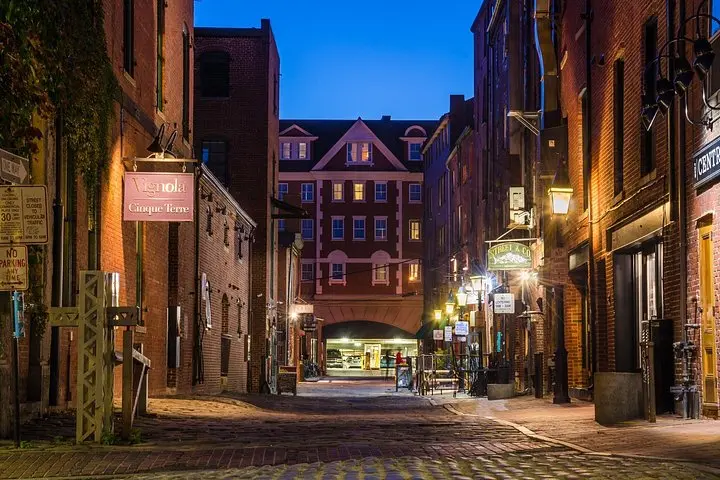

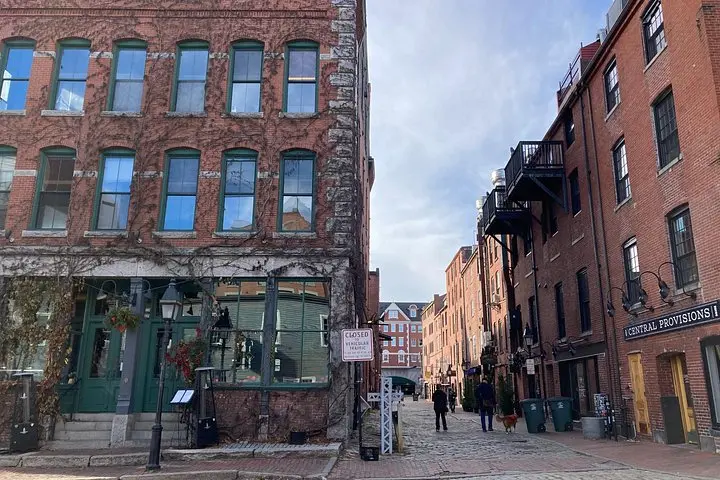
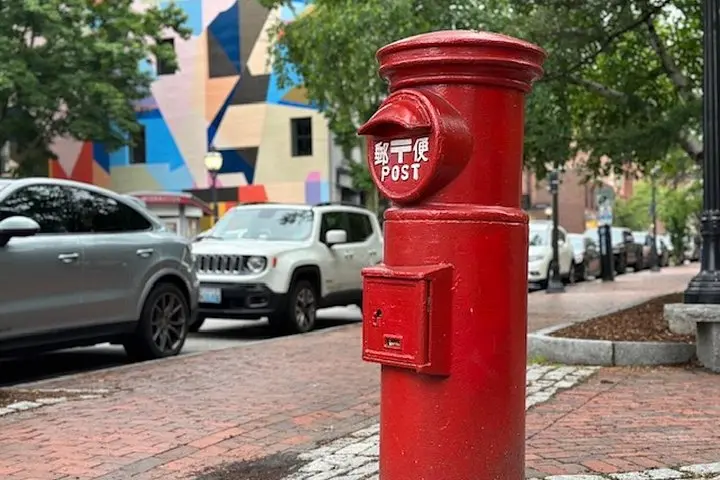
Start at a slab of the Berlin Wall on Long Wharf and the city opens one block, one story at a time: cobblestones underfoot, the harbor’s salt air tugging at your jacket, and brick facades that remember shipyards and rum riots.
Start at a slab of the Berlin Wall on Long Wharf and the city opens one block, one story at a time: cobblestones underfoot, the harbor’s salt air tugging at your jacket, and brick facades that remember shipyards and rum riots.
This self-guided audio walk threads history into place — 18th- and 19th-century maritime commerce, the rise of lobstering, the bootleggers and prohibition-era conflicts that shaped Portland, and sites tied to the Underground Railroad and Henry Wadsworth Longfellow. Geology here is simple but telling: ledge and granite shaped the working waterfront, dictating wharf placement and the steep streets that give Old Port its compact, walkable character.
Culturally the neighborhood is a working port that pivoted to food, craft, and small-scale commerce; the audio tour points out the best donut stop, local eateries, and little architectural details locals pass without notice.
Practically, the tour runs 60–90 minutes and is location-aware via a smartphone app, so you move at your own pace and pause for coffee, photos, or the view of moored schooners. Expect uneven cobbles, occasional vehicle traffic on Wharf Street, and narrow sidewalks — comfortable walking shoes make the difference. Bring a charged phone, earbuds, and a small bottle of water. Take the walk in the morning for quieter streets and afternoon for food options; winter listeners should layer up and allow extra time for icy patches.
The route is flexible: linger at Exchange Street shops, step into small parks to read a plaque, and finish at Mariners’ Church to round out a compact portrait of Portland’s port life.