THE ADVENTURE COLLECTIVE® · Independent discovery and booking for outdoor travel

Take a guided night drive from Luosto into dark-sky fells where guides pick optimal viewing spots, light a campfire, roast snacks and help with aurora photography. Expect 3–4 hours of roadside stops, short walks and hands-on camera tips.
Take a guided night drive from Luosto into dark-sky fells where guides pick optimal viewing spots, light a campfire, roast snacks and help with aurora photography. Expect 3–4 hours of roadside stops, short walks and hands-on camera tips.
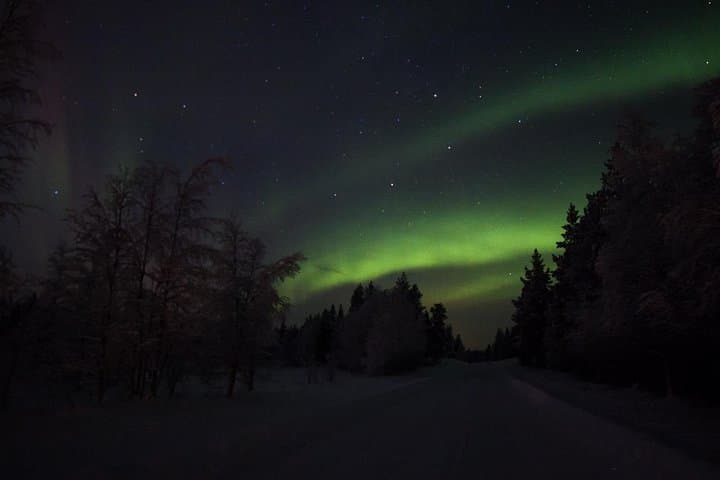
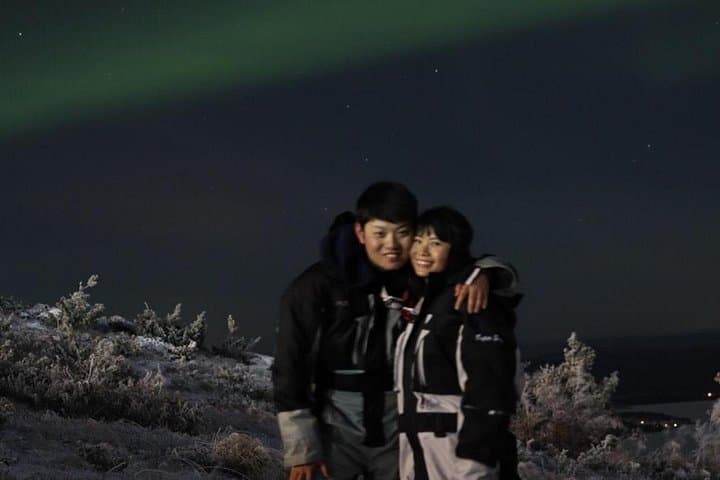
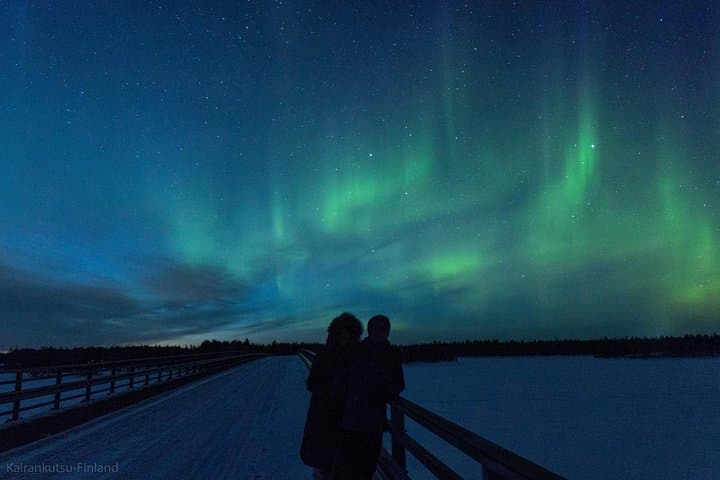
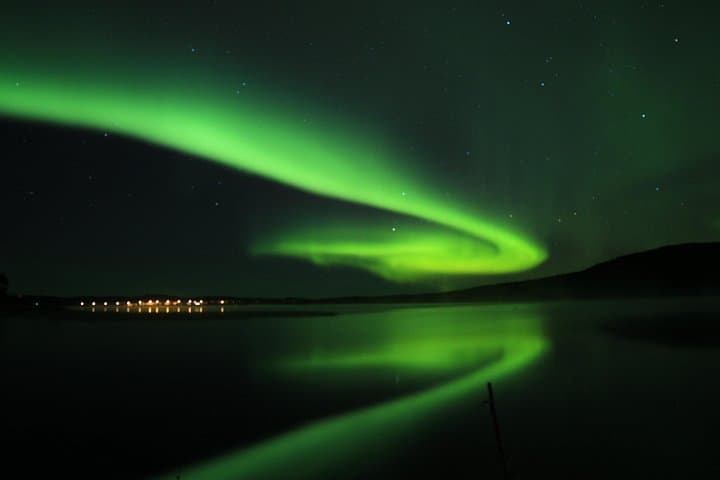
Night falls early in Lapland and the road ahead becomes a ribbon of black cut through pale fells. The guide’s headlights sweep the trees, then switch off; suddenly the sky begins to move—pale green curtains stretching, folding and sharpening above a ring of small pines. You stand near a crackling campfire, coffee steaming, while the guide adjusts your camera and explains how the aurora’s glow is shaped by charged particles meeting Earth’s magnetic field.
Verified experiences and guided adventures in the surrounding area.
Operated by Kairankutsu Oy · Luosto, Lapland
Night falls early in Lapland and the road ahead becomes a ribbon of black cut through pale fells. The guide’s headlights sweep the trees, then switch off; suddenly the sky begins to move—pale green curtains stretching, folding and sharpening above a ring of small pines. You stand near a crackling campfire, coffee steaming, while the guide adjusts your camera and explains how the aurora’s glow is shaped by charged particles meeting Earth’s magnetic field.
This route runs through the Pyhä-Luosto region, where ancient volcanic bedrock and glacial sculpting created low rounded fells and heathland that open to wide northern horizons—ideal for aurora viewing. The area carries a practical human history: Sámi reindeer herding traditions persist alongside 20th-century mining for amethyst near Luosto. The local culture is quiet and straightforward; guides share folklore about auroras and pragmatic tips about staying warm and dry after dark.
Practically: tours last about 3–4 hours with hotel pickup in Luosto or Pyhätunturi, and guides select viewing spots based on cloud cover, geomagnetic activity and road access. Expect unpaved pullouts and short walks on snow or packed earth; the guides provide hot drinks, snacks and can help with camera settings or take photos for you. Dress in insulated, windproof layers, bring spare camera batteries (they die fast in cold), and arrive with a charged phone and headlamp. Stay with the group—visibility and safety change quickly after sunset. If the aurora appears, it will command your attention, but the practical comforts—a warm drink, a small fire, clear instructions—make the night doable and memorable.
Late autumn through early spring (roughly September–March) offers the darkest nights and best chances; guides also monitor geomagnetic activity and cloud cover nightly.
Guides will assist with camera settings and often take photos for guests; you can bring your own camera or let the guide photograph with your device if requested.
Yes—tours are family-friendly and infant seats are available, but ensure young children are warmly dressed and prepared for cold night conditions.
Guides choose viewing locations based on forecasts and space weather; cancellation policies vary, so check booking terms—some operators offer refunds if weather makes the tour impossible.
Kairankutsu Oy operates guided outdoor trips and adventures with an emphasis on safety, stewardship, and memorable experiences.
Night falls early in Lapland and the road ahead becomes a ribbon of black cut through pale fells. The guide’s headlights sweep the trees, then switch off; suddenly the sky begins to move—pale green curtains stretching, folding and sharpening above a ring of small pines. You stand near a crackling campfire, coffee steaming, while the guide adjusts your camera and explains how the aurora’s glow is shaped by charged particles meeting Earth’s magnetic field.
Night falls early in Lapland and the road ahead becomes a ribbon of black cut through pale fells. The guide’s headlights sweep the trees, then switch off; suddenly the sky begins to move—pale green curtains stretching, folding and sharpening above a ring of small pines. You stand near a crackling campfire, coffee steaming, while the guide adjusts your camera and explains how the aurora’s glow is shaped by charged particles meeting Earth’s magnetic field.
This route runs through the Pyhä-Luosto region, where ancient volcanic bedrock and glacial sculpting created low rounded fells and heathland that open to wide northern horizons—ideal for aurora viewing. The area carries a practical human history: Sámi reindeer herding traditions persist alongside 20th-century mining for amethyst near Luosto. The local culture is quiet and straightforward; guides share folklore about auroras and pragmatic tips about staying warm and dry after dark.
Practically: tours last about 3–4 hours with hotel pickup in Luosto or Pyhätunturi, and guides select viewing spots based on cloud cover, geomagnetic activity and road access. Expect unpaved pullouts and short walks on snow or packed earth; the guides provide hot drinks, snacks and can help with camera settings or take photos for you. Dress in insulated, windproof layers, bring spare camera batteries (they die fast in cold), and arrive with a charged phone and headlamp. Stay with the group—visibility and safety change quickly after sunset. If the aurora appears, it will command your attention, but the practical comforts—a warm drink, a small fire, clear instructions—make the night doable and memorable.