THE ADVENTURE COLLECTIVE® · Independent discovery and booking for outdoor travel

Skip the roadside chill and watch the Northern Lights from a warm Alaskan lodge outside Fairbanks. This guided evening blends comfort with top-tier sky viewing—dress warm, bring a tripod, and be ready for sudden, brilliant displays.
Skip the roadside chill and watch the Northern Lights from a warm Alaskan lodge outside Fairbanks. This guided evening blends comfort with top-tier sky viewing—dress warm, bring a tripod, and be ready for sudden, brilliant displays.
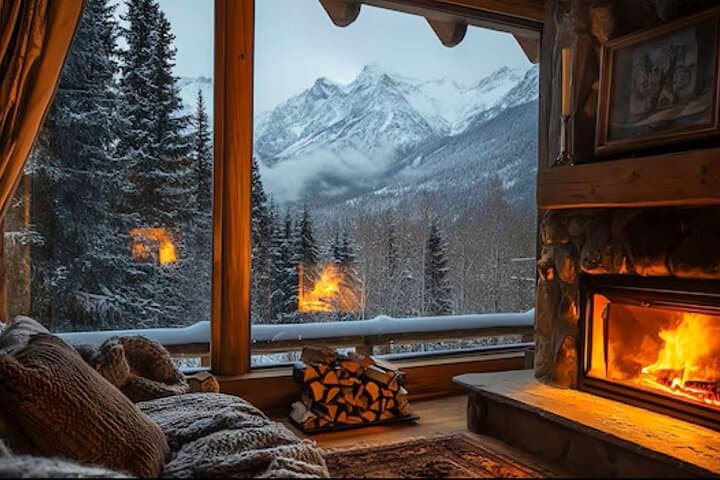
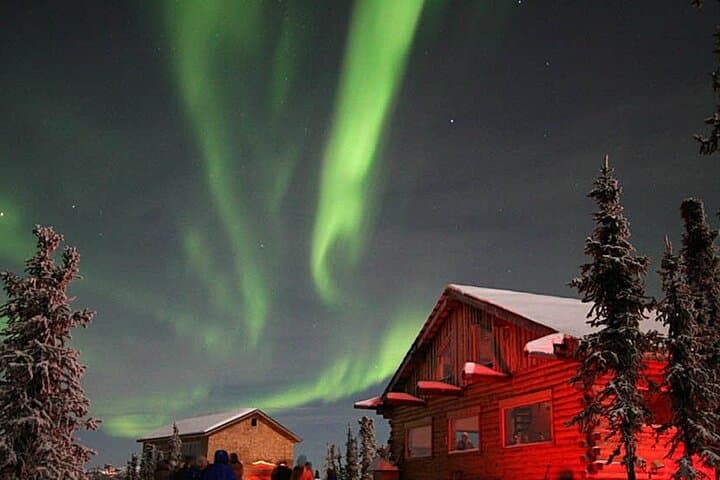
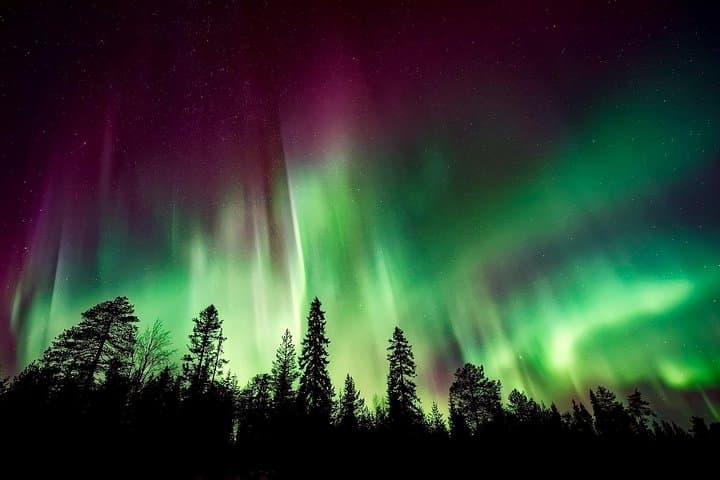
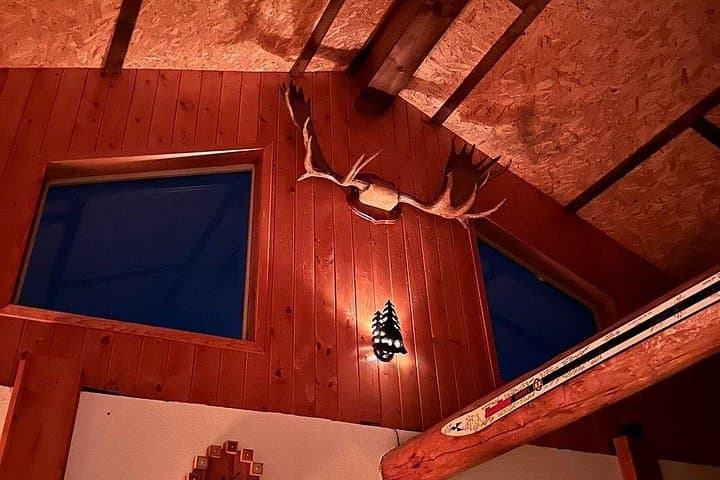
Dark sky presses close and the lodge becomes a deliberate island of warmth: log walls breathing faint wood-smoke, steaming mugs on the table, and a guide scanning the heavens for movement. Step outside and the aurora slips and stretches across the dome above the boreal forest, a living curtain that dares you to keep watching. This lodge-based viewing experience trades roadside shivers for comfort without muting the wildness of the night.
Verified experiences and guided adventures in the surrounding area.
Operated by Alaska Wildlife Guide LLC · Fairbanks, Alaska
Dark sky presses close and the lodge becomes a deliberate island of warmth: log walls breathing faint wood-smoke, steaming mugs on the table, and a guide scanning the heavens for movement. Step outside and the aurora slips and stretches across the dome above the boreal forest, a living curtain that dares you to keep watching. This lodge-based viewing experience trades roadside shivers for comfort without muting the wildness of the night.
The aurora itself is a product of solar particles colliding with Earth’s upper atmosphere—a geomagnetic conversation that concentrates near the poles. Fairbanks sits beneath one of the most active auroral ovals, a reason the region developed a culture around winter nights: native Athabascan stories, early prospectors’ observing habits, and modern scientific stations all converge here. Geologically the landscape is shaped by permafrost and river terraces; the open sky feels larger because the horizon sits on low, dark spruce and birch.
Practical guidance: tours run in winter months and typically last about five hours; expect pickup and return to town. Dress in insulating layers, waterproof outerwear, and insulated boots—this is warmth-first travel. Bring a camera on a tripod and learn basic long-exposure settings; your guide will help. Be ready to step in and out of the lodge as displays appear; the most memorable shows come suddenly and can last from minutes to hours.
Respect private property and minimize artificial light to preserve viewing. If you want hot-spring time afterward, plan a separate visit to nearby Chena Hot Springs—the perfect way to thaw and extend the night.
Peak aurora season runs late August through April, with the darkest, most frequent displays typically between late September and March.
No—aurora visibility depends on solar activity and clear skies; operators cannot guarantee sightings but choose locations to maximize chances.
Yes—transport by climate-controlled van and lodge access are included so you can stay warm between viewings.
Children are generally allowed, but the operator does not recommend participation for children under 4 due to late hours and cold exposure.
Alaska Wildlife Guide LLC operates guided outdoor trips and adventures with an emphasis on safety, stewardship, and memorable experiences.
Dark sky presses close and the lodge becomes a deliberate island of warmth: log walls breathing faint wood-smoke, steaming mugs on the table, and a guide scanning the heavens for movement. Step outside and the aurora slips and stretches across the dome above the boreal forest, a living curtain that dares you to keep watching. This lodge-based viewing experience trades roadside shivers for comfort without muting the wildness of the night.
Dark sky presses close and the lodge becomes a deliberate island of warmth: log walls breathing faint wood-smoke, steaming mugs on the table, and a guide scanning the heavens for movement. Step outside and the aurora slips and stretches across the dome above the boreal forest, a living curtain that dares you to keep watching. This lodge-based viewing experience trades roadside shivers for comfort without muting the wildness of the night.
The aurora itself is a product of solar particles colliding with Earth’s upper atmosphere—a geomagnetic conversation that concentrates near the poles. Fairbanks sits beneath one of the most active auroral ovals, a reason the region developed a culture around winter nights: native Athabascan stories, early prospectors’ observing habits, and modern scientific stations all converge here. Geologically the landscape is shaped by permafrost and river terraces; the open sky feels larger because the horizon sits on low, dark spruce and birch.
Practical guidance: tours run in winter months and typically last about five hours; expect pickup and return to town. Dress in insulating layers, waterproof outerwear, and insulated boots—this is warmth-first travel. Bring a camera on a tripod and learn basic long-exposure settings; your guide will help. Be ready to step in and out of the lodge as displays appear; the most memorable shows come suddenly and can last from minutes to hours.
Respect private property and minimize artificial light to preserve viewing. If you want hot-spring time afterward, plan a separate visit to nearby Chena Hot Springs—the perfect way to thaw and extend the night.