THE ADVENTURE COLLECTIVE® · Independent discovery and booking for outdoor travel

A five-day circuit around Ausangate that crosses 5,000+m passes, glacial lakes and high puna, finishing with restorative hot springs in Pacchanta. Expect long hiking days, rugged terrain and direct contact with Quechua communities.
A five-day circuit around Ausangate that crosses 5,000+m passes, glacial lakes and high puna, finishing with restorative hot springs in Pacchanta. Expect long hiking days, rugged terrain and direct contact with Quechua communities.
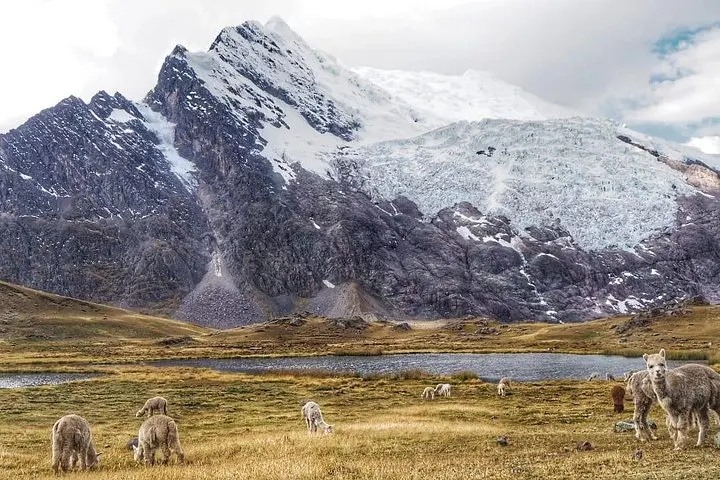
You step off the bus in Tinqui with the Andes spelling distance in granite: Ausangate looms above, its glaciers and ridgelines cutting the sky. The first day climbs quickly to 4,800–4,850 m, where thin air sharpens the light and alpaca herds move like stitched patterns across puna grass.
Verified experiences and guided adventures in the surrounding area.
Operated by SALKANTAY TRAIL PERU · Tinqui, Cusco
You step off the bus in Tinqui with the Andes spelling distance in granite: Ausangate looms above, its glaciers and ridgelines cutting the sky. The first day climbs quickly to 4,800–4,850 m, where thin air sharpens the light and alpaca herds move like stitched patterns across puna grass.
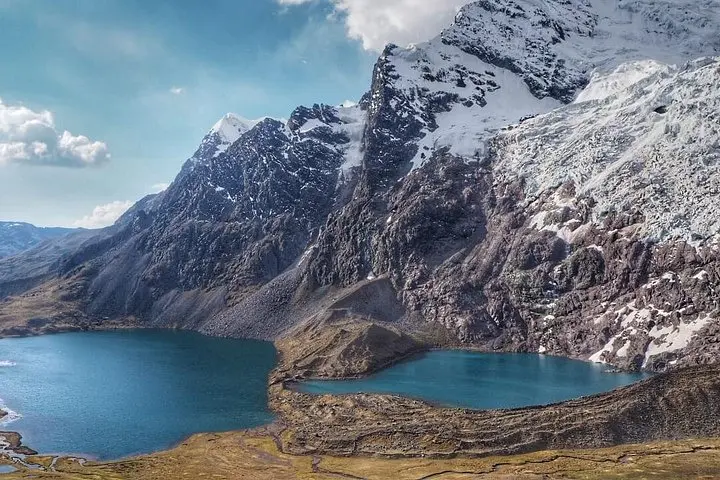
Geology here is raw — glacial bowls, moraine ridges and cold lagoons carved by repeated ice ages — while the peak of Ausangate (approx. 6,300–6,400 m) remains a sacred Apu to Quechua communities. Farmers along the route maintain centuries-old pastoral traditions; vicuña and alpaca grazing and textile dyeing are part of daily life, and small settlements dot valleys that were once caravan routes.
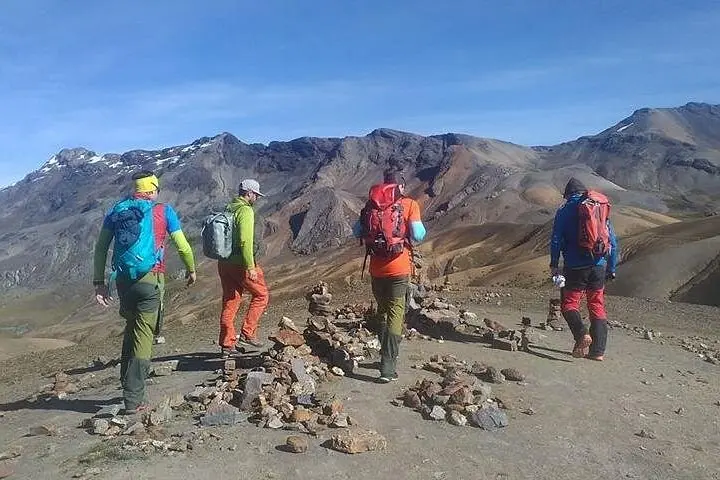
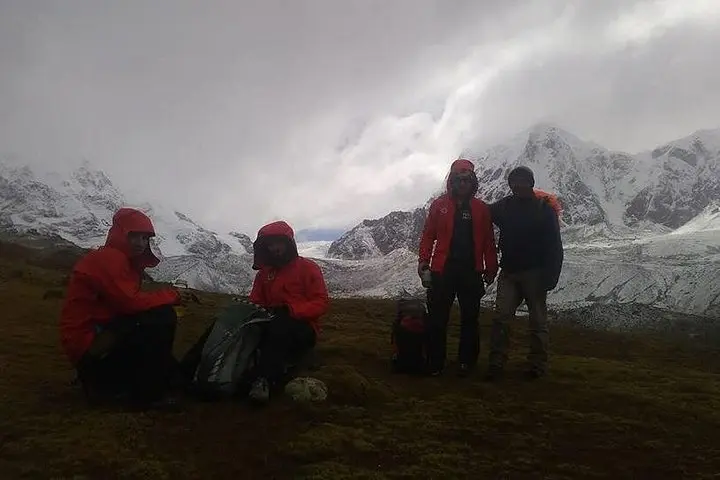
Expect alpine terrain: steep stone-packed tracks, high passes (Palomani ~5,200 m, Campa ~5,100 m), ephemeral lakes and scree descents. Weather turns quickly — wind, sun and sudden snow are all possible. Night camps sit between 3,900–4,700 m with simple cook tents and communal meals that reflect local flavors.
Practical guidance: acclimatize in Cusco for at least two nights before departure, use trekking poles for steep ascents and descents, and plan for 6–9 hour hiking days on hard-packed trails. Hydrate, layer for temperature swings, and carry a lightweight rain shell and warm sleeping liner. Pacchanta’s hot springs on day four are a restorative reward after high passes, and the return to Cusco includes a cultural stop with regional cuisine.
This is a challenging high-altitude trek that balances spectacular glacial scenery with tangible cultural encounters — come prepared and you’ll leave with a clearer sense of the Andes’ scale and the people who live there.
Prior experience is strongly recommended; acclimatize in Cusco and choose a provider that monitors altitude symptoms.
Yes — the itinerary includes camps, kitchen staff, and typical cooked meals; bring personal snacks and dietary notes at booking.
Expect 6–9 hours on the longer days (days 2–3) with significant elevation gain to 5,200 m on Palomani pass.
Not generally recommended; the tour notes require high fitness and the route reaches very high altitudes that are unsuitable for most children.
SALKANTAY TRAIL PERU operates guided outdoor trips and adventures with an emphasis on safety, stewardship, and memorable experiences.
You step off the bus in Tinqui with the Andes spelling distance in granite: Ausangate looms above, its glaciers and ridgelines cutting the sky. The first day climbs quickly to 4,800–4,850 m, where thin air sharpens the light and alpaca herds move like stitched patterns across puna grass.
You step off the bus in Tinqui with the Andes spelling distance in granite: Ausangate looms above, its glaciers and ridgelines cutting the sky. The first day climbs quickly to 4,800–4,850 m, where thin air sharpens the light and alpaca herds move like stitched patterns across puna grass.
Geology here is raw — glacial bowls, moraine ridges and cold lagoons carved by repeated ice ages — while the peak of Ausangate (approx. 6,300–6,400 m) remains a sacred Apu to Quechua communities. Farmers along the route maintain centuries-old pastoral traditions; vicuña and alpaca grazing and textile dyeing are part of daily life, and small settlements dot valleys that were once caravan routes.
Expect alpine terrain: steep stone-packed tracks, high passes (Palomani ~5,200 m, Campa ~5,100 m), ephemeral lakes and scree descents. Weather turns quickly — wind, sun and sudden snow are all possible. Night camps sit between 3,900–4,700 m with simple cook tents and communal meals that reflect local flavors.
Practical guidance: acclimatize in Cusco for at least two nights before departure, use trekking poles for steep ascents and descents, and plan for 6–9 hour hiking days on hard-packed trails. Hydrate, layer for temperature swings, and carry a lightweight rain shell and warm sleeping liner. Pacchanta’s hot springs on day four are a restorative reward after high passes, and the return to Cusco includes a cultural stop with regional cuisine.
This is a challenging high-altitude trek that balances spectacular glacial scenery with tangible cultural encounters — come prepared and you’ll leave with a clearer sense of the Andes’ scale and the people who live there.