THE ADVENTURE COLLECTIVE® · Independent discovery and booking for outdoor travel

Head out before sunrise from Cusco for a full-day circuit of Ausangate’s seven highland lagoons, pastoral valleys, and the restorative hot springs at Pacchanta. This high-elevation day trip combines short lake hikes with cultural encounters and dramatic mountain scenery.
Head out before sunrise from Cusco for a full-day circuit of Ausangate’s seven highland lagoons, pastoral valleys, and the restorative hot springs at Pacchanta. This high-elevation day trip combines short lake hikes with cultural encounters and dramatic mountain scenery.
You leave Cusco before dawn, the town shrinking behind sleeping streetlights as the road climbs into a thinner world. By mid-morning the air is clean and sharp; Ausangate’s ridgeline looms like a glacier-worn spine while a string of small high-altitude lagoons catches the light in shades from steel to cobalt. Wind pushes across the puna, and the lakes—each framed by scree, grass, and seasonal wildflowers—seem to dare you to pause and take it in.
Verified experiences and guided adventures in the surrounding area.
Operated by Huaypo Adventure · Cusco, Cusco Region
You leave Cusco before dawn, the town shrinking behind sleeping streetlights as the road climbs into a thinner world. By mid-morning the air is clean and sharp; Ausangate’s ridgeline looms like a glacier-worn spine while a string of small high-altitude lagoons catches the light in shades from steel to cobalt. Wind pushes across the puna, and the lakes—each framed by scree, grass, and seasonal wildflowers—seem to dare you to pause and take it in.
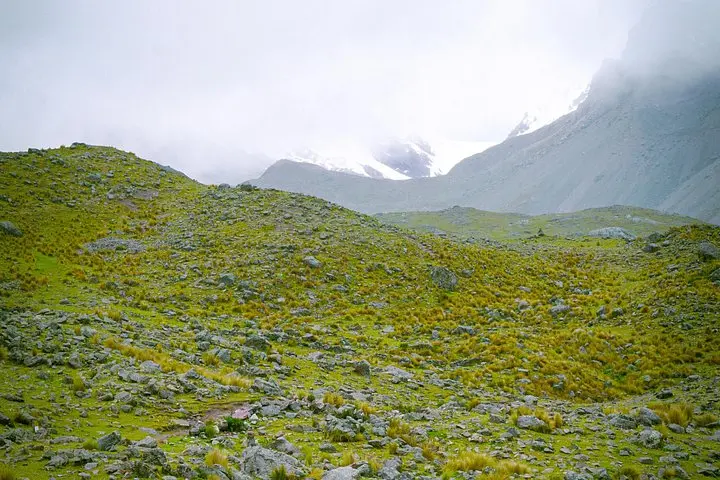
Geology here is direct: glacial sculpting and mineral-rich runoff create the color and shape of the lagoons; moraines and cirques define the valleys. Ausangate is also an Apu—sacred in Quechua tradition—and the communities around Pacchanta have herding and hot-spring traditions that date back generations. Expect to see alpacas and well-tended pastures, earthen corrals, and Quechua place names that describe color, shape, or animal life.
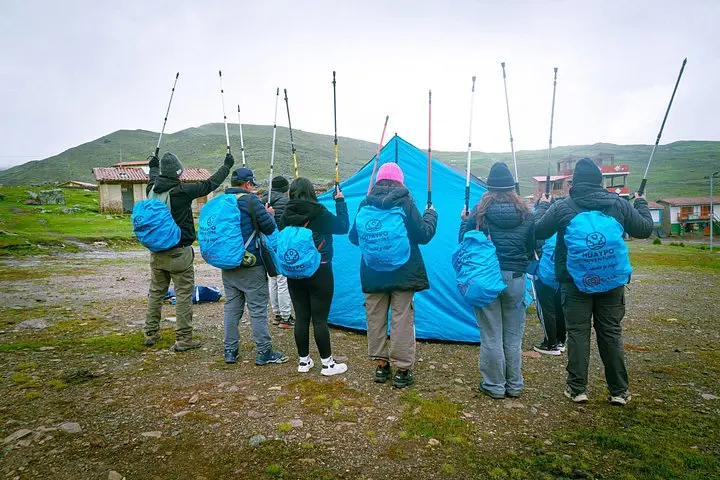
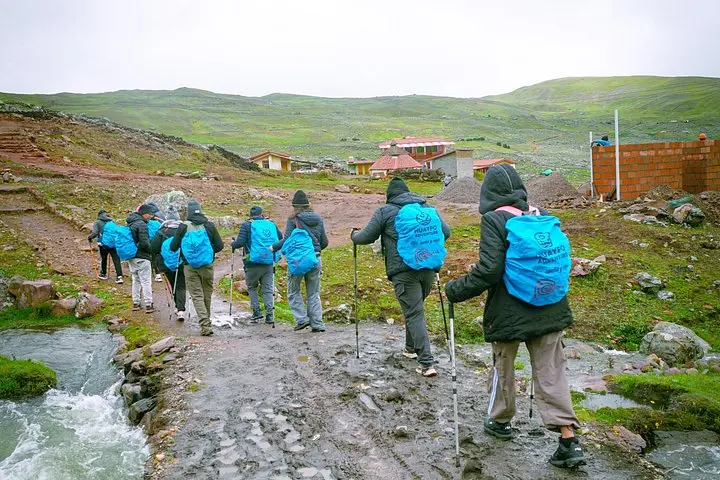
Practically, the tour is a long day—roughly 12 hours from pickup in Cusco, with about six hours’ drive round-trip and walking between lake viewpoints at elevations often between 4,200–4,620 m (13,780–15,160 ft). Cold, strong sun, and sudden weather swings are normal; the route includes short walks on rocky, uneven trails and time to relax in Pacchanta hot springs after a buffet lunch. Acclimatize in Cusco for at least 48 hours if possible, carry layers, hydrated fluids, and move deliberately to reduce altitude strain. Guide-led transport, gaiters, and walking sticks are common; respect fragile puna grasslands, follow your guide’s pacing, and budget extra time for photos and brief wildlife stops.
Most viewpoints are between 4,200 and 4,620 meters (13,780–15,160 ft); symptoms like shortness of breath and headaches are common—acclimatize beforehand, stay hydrated, and descend if symptoms worsen.
Typical inclusions are hotel pickup, guided transport, breakfast and lunch buffet, entrance fees, walking sticks, rain ponchos, oxygen ball, and a first-aid kit—confirm specifics at booking.
Yes; after the lake circuit many tours provide time to visit public hot springs—bring a swimsuit and towel, and check local rules and modesty norms.
The dry season (May–September) offers clearer skies and firmer trails; the wet season (November–March) brings rain and possible road disruptions.
Huaypo Adventure operates guided outdoor trips and adventures with an emphasis on safety, stewardship, and memorable experiences.
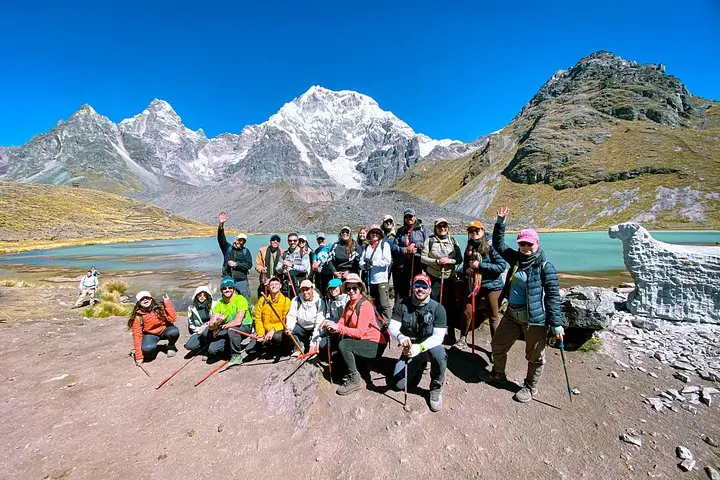
You leave Cusco before dawn, the town shrinking behind sleeping streetlights as the road climbs into a thinner world. By mid-morning the air is clean and sharp; Ausangate’s ridgeline looms like a glacier-worn spine while a string of small high-altitude lagoons catches the light in shades from steel to cobalt. Wind pushes across the puna, and the lakes—each framed by scree, grass, and seasonal wildflowers—seem to dare you to pause and take it in.
You leave Cusco before dawn, the town shrinking behind sleeping streetlights as the road climbs into a thinner world. By mid-morning the air is clean and sharp; Ausangate’s ridgeline looms like a glacier-worn spine while a string of small high-altitude lagoons catches the light in shades from steel to cobalt. Wind pushes across the puna, and the lakes—each framed by scree, grass, and seasonal wildflowers—seem to dare you to pause and take it in.
Geology here is direct: glacial sculpting and mineral-rich runoff create the color and shape of the lagoons; moraines and cirques define the valleys. Ausangate is also an Apu—sacred in Quechua tradition—and the communities around Pacchanta have herding and hot-spring traditions that date back generations. Expect to see alpacas and well-tended pastures, earthen corrals, and Quechua place names that describe color, shape, or animal life.
Practically, the tour is a long day—roughly 12 hours from pickup in Cusco, with about six hours’ drive round-trip and walking between lake viewpoints at elevations often between 4,200–4,620 m (13,780–15,160 ft). Cold, strong sun, and sudden weather swings are normal; the route includes short walks on rocky, uneven trails and time to relax in Pacchanta hot springs after a buffet lunch. Acclimatize in Cusco for at least 48 hours if possible, carry layers, hydrated fluids, and move deliberately to reduce altitude strain. Guide-led transport, gaiters, and walking sticks are common; respect fragile puna grasslands, follow your guide’s pacing, and budget extra time for photos and brief wildlife stops.