THE ADVENTURE COLLECTIVE® · Independent discovery and booking for outdoor travel

A five-day, high-altitude loop that traverses glacial lakes, coloured hills and remote Andean valleys. Expect long alpine days above 4,000 m, cultural encounters with Quechua muleteers, and the dramatic presence of Ausangate peak.
A five-day, high-altitude loop that traverses glacial lakes, coloured hills and remote Andean valleys. Expect long alpine days above 4,000 m, cultural encounters with Quechua muleteers, and the dramatic presence of Ausangate peak.
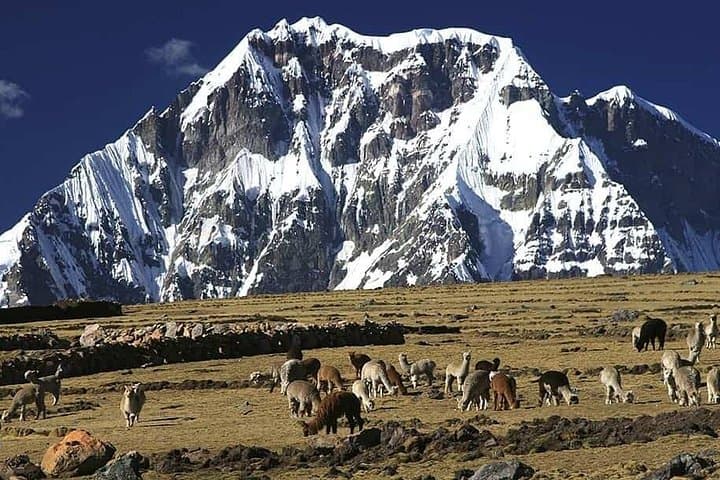
Morning light slides across slate ridgelines and the first glaciers of the Vilcanota range reveal themselves—sharp, cold, and unequivocal. On the Ausangate Trek, trekkers move through open highland valleys, step over braided streams, and climb switchbacks that push above 5,000 m, with Ausangate’s snow cone (6,385 m / 20,948 ft) dominating the skyline.
Verified experiences and guided adventures in the surrounding area.
Operated by Machu Picchu Amazon Peru · Cusco, Cusco Region
Morning light slides across slate ridgelines and the first glaciers of the Vilcanota range reveal themselves—sharp, cold, and unequivocal. On the Ausangate Trek, trekkers move through open highland valleys, step over braided streams, and climb switchbacks that push above 5,000 m, with Ausangate’s snow cone (6,385 m / 20,948 ft) dominating the skyline.
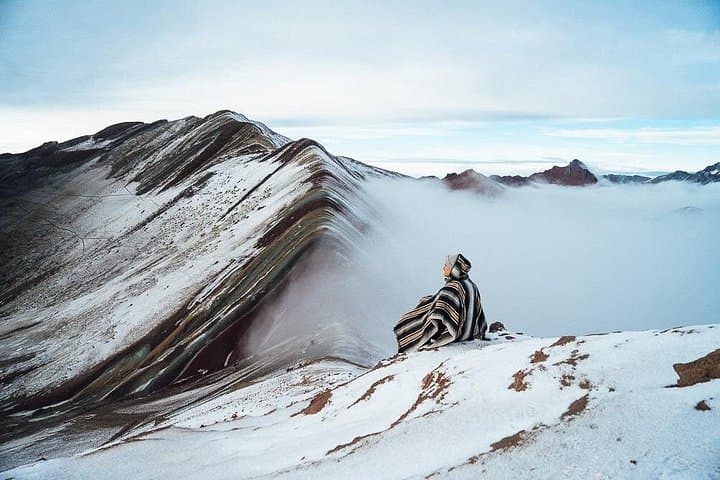
This route follows ancient Andean passages used by pastoral communities; the geology is largely metamorphic rock carved by Quaternary glaciers, leaving turquoise lagunas and moraine ridges. Travelers will pass colored hills and the famed Rainbow Mountains (Vinicunca), witness herds of llamas, alpacas and vicuñas, and may spot Andean condors circling thermals. Cultural notes: local Quechua-speaking muleteers still manage pack animals, and small highland hamlets maintain traditional weaving and pastoral cycles.
Practically, the circuit is about 67 km (41.6 mi) over five days with daily hiking of 6–10 hours, highest passes above 5,000 m and camping at 4,300–4,750 m. Terrain alternates between loose scree, gravel tracks, steep switchbacks and flat valley floors. Hot springs at Pacchanta offer a post-trek soak.
Plan at least 48–72 hours in Cusco for acclimatization, carry layered clothing, sun protection and a sleeping bag rated for sub-zero temperatures. Hydration, slow ascent, and awareness of acute mountain sickness protocols are essential. Guided groups supply mule support, meals and tents, but expect remote conditions: early starts, long days, and weather that can shift from sun to sleet within an hour.
Prior experience helps but isn’t mandatory; however you must acclimatize in Cusco and be prepared for reduced oxygen above 4,000 m.
Yes—guided trips typically include camping accommodation, meals as listed, and local guides and muleteers to transport heavy gear.
Yes—many itineraries include optional hot springs at Pacchanta on the final day before the return drive to Cusco.
The dry season (May–September) offers the most stable weather and clearer views; however days are colder and nights freeze.
Machu Picchu Amazon Peru operates guided outdoor trips and adventures with an emphasis on safety, stewardship, and memorable experiences.


Morning light slides across slate ridgelines and the first glaciers of the Vilcanota range reveal themselves—sharp, cold, and unequivocal. On the Ausangate Trek, trekkers move through open highland valleys, step over braided streams, and climb switchbacks that push above 5,000 m, with Ausangate’s snow cone (6,385 m / 20,948 ft) dominating the skyline.
Morning light slides across slate ridgelines and the first glaciers of the Vilcanota range reveal themselves—sharp, cold, and unequivocal. On the Ausangate Trek, trekkers move through open highland valleys, step over braided streams, and climb switchbacks that push above 5,000 m, with Ausangate’s snow cone (6,385 m / 20,948 ft) dominating the skyline.
This route follows ancient Andean passages used by pastoral communities; the geology is largely metamorphic rock carved by Quaternary glaciers, leaving turquoise lagunas and moraine ridges. Travelers will pass colored hills and the famed Rainbow Mountains (Vinicunca), witness herds of llamas, alpacas and vicuñas, and may spot Andean condors circling thermals. Cultural notes: local Quechua-speaking muleteers still manage pack animals, and small highland hamlets maintain traditional weaving and pastoral cycles.
Practically, the circuit is about 67 km (41.6 mi) over five days with daily hiking of 6–10 hours, highest passes above 5,000 m and camping at 4,300–4,750 m. Terrain alternates between loose scree, gravel tracks, steep switchbacks and flat valley floors. Hot springs at Pacchanta offer a post-trek soak.
Plan at least 48–72 hours in Cusco for acclimatization, carry layered clothing, sun protection and a sleeping bag rated for sub-zero temperatures. Hydration, slow ascent, and awareness of acute mountain sickness protocols are essential. Guided groups supply mule support, meals and tents, but expect remote conditions: early starts, long days, and weather that can shift from sun to sleet within an hour.