THE ADVENTURE COLLECTIVE® · Independent discovery and booking for outdoor travel

A demanding five-day circuit around Apu Ausangate that climbs to 5,200 m, crossing high passes and glacial lakes. Expect alpine scenery, cultural ceremonies, mule-supported camps, and daily hikes of 4–8 hours.
A demanding five-day circuit around Apu Ausangate that climbs to 5,200 m, crossing high passes and glacial lakes. Expect alpine scenery, cultural ceremonies, mule-supported camps, and daily hikes of 4–8 hours.
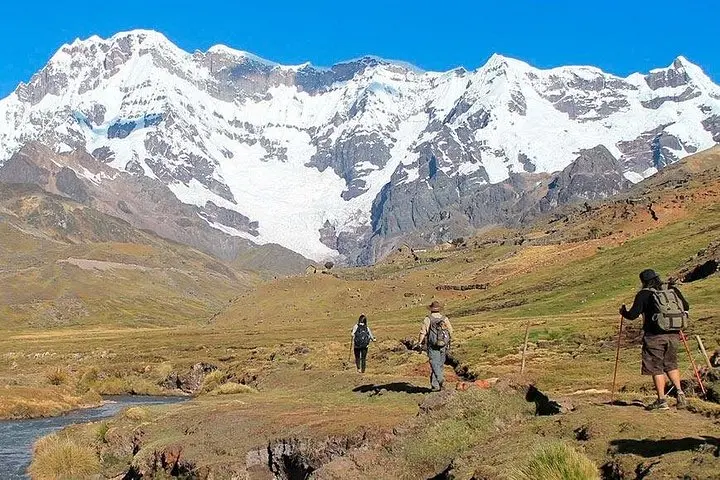
The trail opens on a high, thin morning where the first light crowns Ausangate’s ice and the air tastes like metal. You leave Cusco by van and watch the city fall away as the road climbs into puna grasslands, herds of alpaca grazing like slow punctuation marks. The first day is a soft introduction—short hikes, hot springs at Upis, and the steady rhythm of mule trains that will carry tents and food.
Verified experiences and guided adventures in the surrounding area.
Operated by Vidal Expeditions · Cusco, Cusco
The trail opens on a high, thin morning where the first light crowns Ausangate’s ice and the air tastes like metal. You leave Cusco by van and watch the city fall away as the road climbs into puna grasslands, herds of alpaca grazing like slow punctuation marks. The first day is a soft introduction—short hikes, hot springs at Upis, and the steady rhythm of mule trains that will carry tents and food.
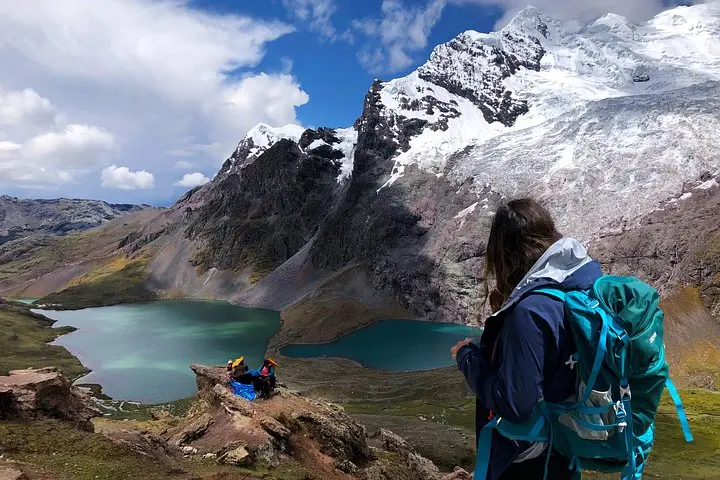
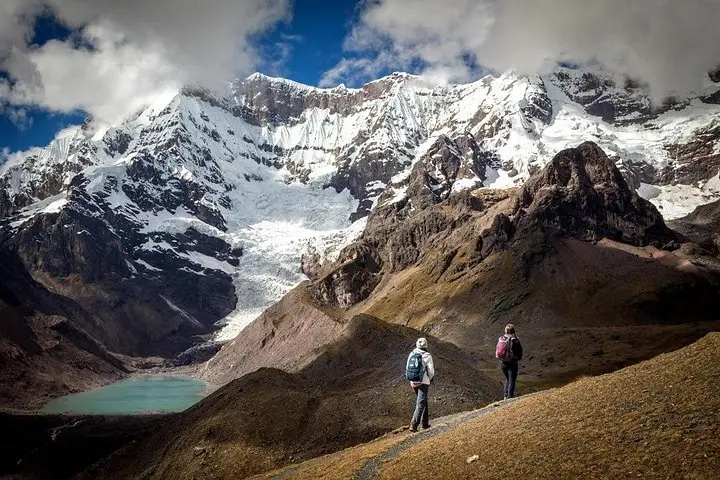
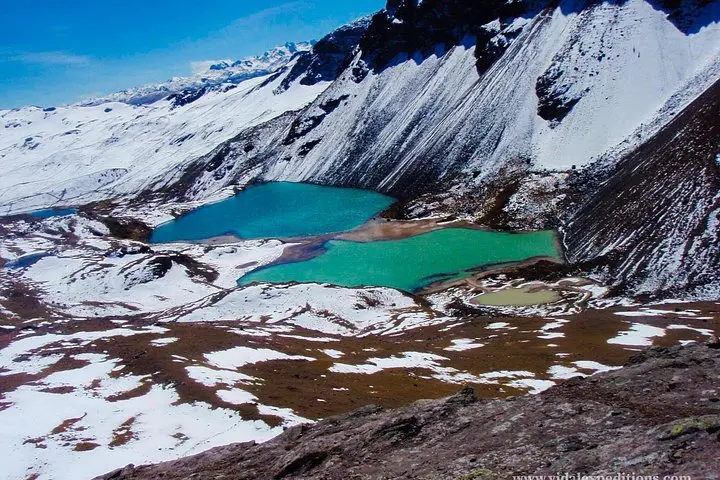
Geology here is immediate: glacial cirques, moraine-framed lakes the color of sea glass and passes carved by repeated ice. Culturally, Ausangate is an Apu—an Andean deity—and local ceremonies are woven through the route; you’ll likely witness a small offering or a weaving demonstration in a highland family home on the last day. The trail trods ancient pastoral corridors where communities move herds between seasonal pastures.
Expect long days above 4,000 m with a summit day to Palomani at about 5,200 m. Terrain varies from rocky moraine and compact trail to soggy highland meadows; micro-weather shifts quickly—sun, wind, sleet can come in an hour. Practical rhythm: rise early, sip coca tea, keep a slow walking cadence, and hydrate deliberately. Footwear should be broken-in and waterproof; sleep systems need to handle sub-freezing nights. Guides run camp, cook, and manage horses, so focus on pacing and acclimatization.
This is a high-altitude trek that rewards patience: turquoise lagoons, glacial runoff, and expansive views of an Andean massif that still carries ritual energy.
The route reaches 5,200 m and includes daily climbs; it’s physically demanding and requires acclimatization—expect slower paces and carry fewer expectations for speed.
Camps are tented and supported by staff who provide meals and communal tents; you’ll need your own sleeping bag and personal items.
Charging is limited—some groups bring solar batteries or offer charging at camps for a fee; bring spare power banks.
Water sources are available but should be treated or filtered; guides typically provide boiled water or filtration options.
Vidal Expeditions operates guided outdoor trips and adventures with an emphasis on safety, stewardship, and memorable experiences.
The trail opens on a high, thin morning where the first light crowns Ausangate’s ice and the air tastes like metal. You leave Cusco by van and watch the city fall away as the road climbs into puna grasslands, herds of alpaca grazing like slow punctuation marks. The first day is a soft introduction—short hikes, hot springs at Upis, and the steady rhythm of mule trains that will carry tents and food.
The trail opens on a high, thin morning where the first light crowns Ausangate’s ice and the air tastes like metal. You leave Cusco by van and watch the city fall away as the road climbs into puna grasslands, herds of alpaca grazing like slow punctuation marks. The first day is a soft introduction—short hikes, hot springs at Upis, and the steady rhythm of mule trains that will carry tents and food.
Geology here is immediate: glacial cirques, moraine-framed lakes the color of sea glass and passes carved by repeated ice. Culturally, Ausangate is an Apu—an Andean deity—and local ceremonies are woven through the route; you’ll likely witness a small offering or a weaving demonstration in a highland family home on the last day. The trail trods ancient pastoral corridors where communities move herds between seasonal pastures.
Expect long days above 4,000 m with a summit day to Palomani at about 5,200 m. Terrain varies from rocky moraine and compact trail to soggy highland meadows; micro-weather shifts quickly—sun, wind, sleet can come in an hour. Practical rhythm: rise early, sip coca tea, keep a slow walking cadence, and hydrate deliberately. Footwear should be broken-in and waterproof; sleep systems need to handle sub-freezing nights. Guides run camp, cook, and manage horses, so focus on pacing and acclimatization.
This is a high-altitude trek that rewards patience: turquoise lagoons, glacial runoff, and expansive views of an Andean massif that still carries ritual energy.